Author – WIN Foundation
Background
Rural, tribal and urban slum areas face following challenges:
(i) lack of maintenance of Commons and civic services and
(ii) Poor quality of life and work.
The government, central and states, private charities and multilateral organizations including UN bodies, have, over decades, launched many schemes for social impact, many of them multiple times, repeating process and programs over years.
In spite of this the results are not satisfactory. The major reason for this is that the top down approach of most of the programs do not inculcate change in competencies, behaviour and habits. Due to this, the changes sought are not sustained.
Community led approaches
Four key elements that affect social change are the environment, technology, social institutions, and communities. These elements are interlinked with each other.
Environment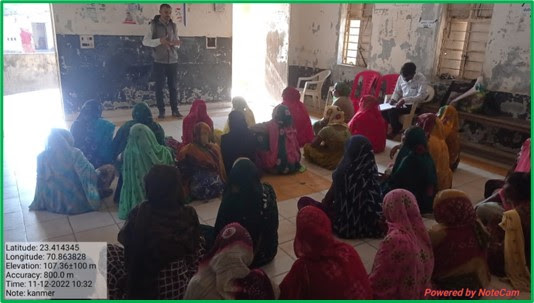
- With our overstretched resource usage, living in harmony with nature using appropriate technology are important for sustainable development, economic growth and
Technology
- Combining traditional local knowledge with scientific knowledge and innovations at community level will enable development of new sustainable approaches, optimised to local needs. Indigenous knowledge is also important for the conservation of biodiversity.
- Indigenous knowledge is also a potential source for the conservation of biodiversity.
- People involvement in this process is essential for acceleration of change through scaling and replication.
Community ownership encourages and enables:
- Responsibility and accountability at local levels, aided by skilling and leadership development, bringing sharp focus on local customer and community needs.
- Adoption of innovative technology and delivery models, refined continuously over time through local trials, generating local evidence.
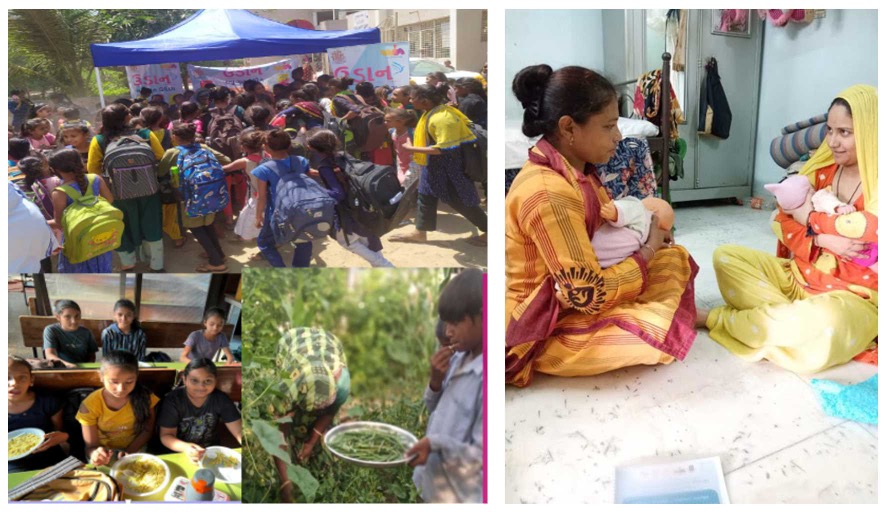
- Co-operation, coordination and collaboration between the stakeholders at the community level to bring greater awareness and better habits.
Social Institutions and other organisations enable community ownership process through:
- Creating Space for Community Ownership and leadership within communities.
- Bring institutional resources to the table, to bring different competencies to the community participants with a strong focus on experiential learning, skilling and leadership development. For this institutions have to reorient their own staff on principles of community ownership, local entrepreneurship, and customer centricity, as a key driver for sustainable change.
- Continuously monitor and refine process to close the gap between intention and impact.
- Encourage community voice; speak up to make change..
- Creating equitable and just solutions is not just people work, it’s heart work.
- Documentation of processes and results to help replication and scaling
WIN Foundation Nutrition projects
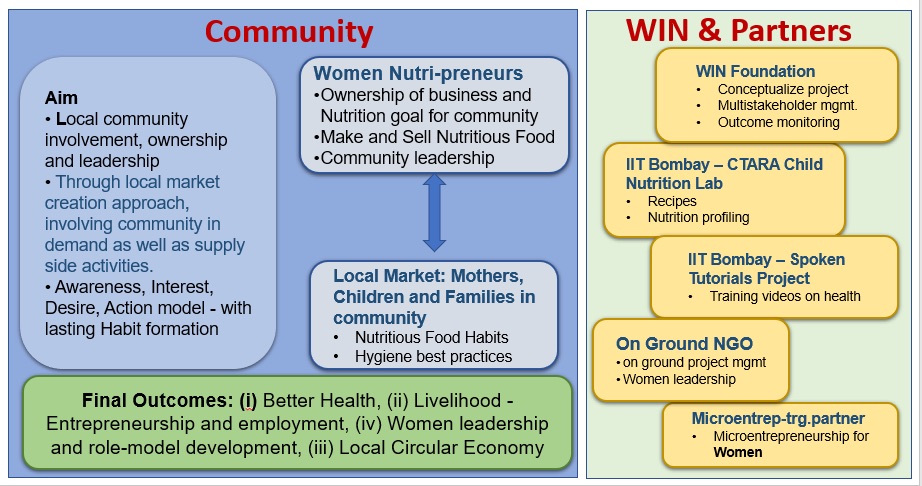
WIN Foundation has taken Community centred approach with aim for Community ownership, to the nutrition problem.
Nutrition status in most parts of the country remains challenging. In spite of several programs for improving nutrition, lack of habit formation in nutrition food habits which, has led to poor nutrition outcomes. To add to this, we also face the adverse effect of
(i) Mass input driven agriculture, leading to reduction of food diversity, a very critical requirement for balanced nutrition,
(ii) High volume processed food products, tasty but low on nutrition, which have reached remote corners of the country. This has developed vested interests in food industry.
Our approach envisions a community which takes charge of nutrition needs and overcomes above challenges.

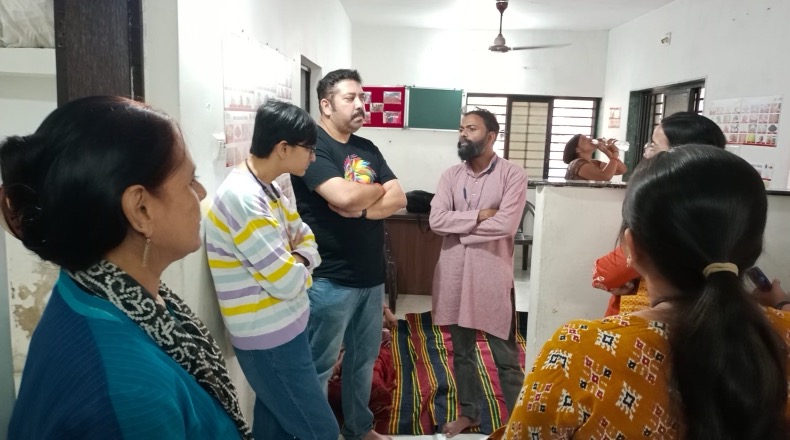
 The distribution of undernourishment is heterogeneous across the country. Interestingly, while the prevalence of stunting and underweight in children has decreased over the past 5 years, the total number of anaemic individuals has increased. These trends could be attributed to macro- and micronutrient intake with fewer than 1/3rd of all women consuming adequate amounts of both. Consumption of macronutrients in the form of carbohydrates and proteins is consistently below the recommended dietary allowance (RDA) levels prescribed by the Indian Council for Medical Research (ICMR). The household consumption of micronutrients in the form of vitamins and minerals such as iron ranges from inadequate to severely deficient. Iron deficiency is associated with the majority of anaemia prevalent in India. A mind-boggling 67% of children in 2019-21 had varying degrees of anaemia, an increase of 8% from 2015-16.
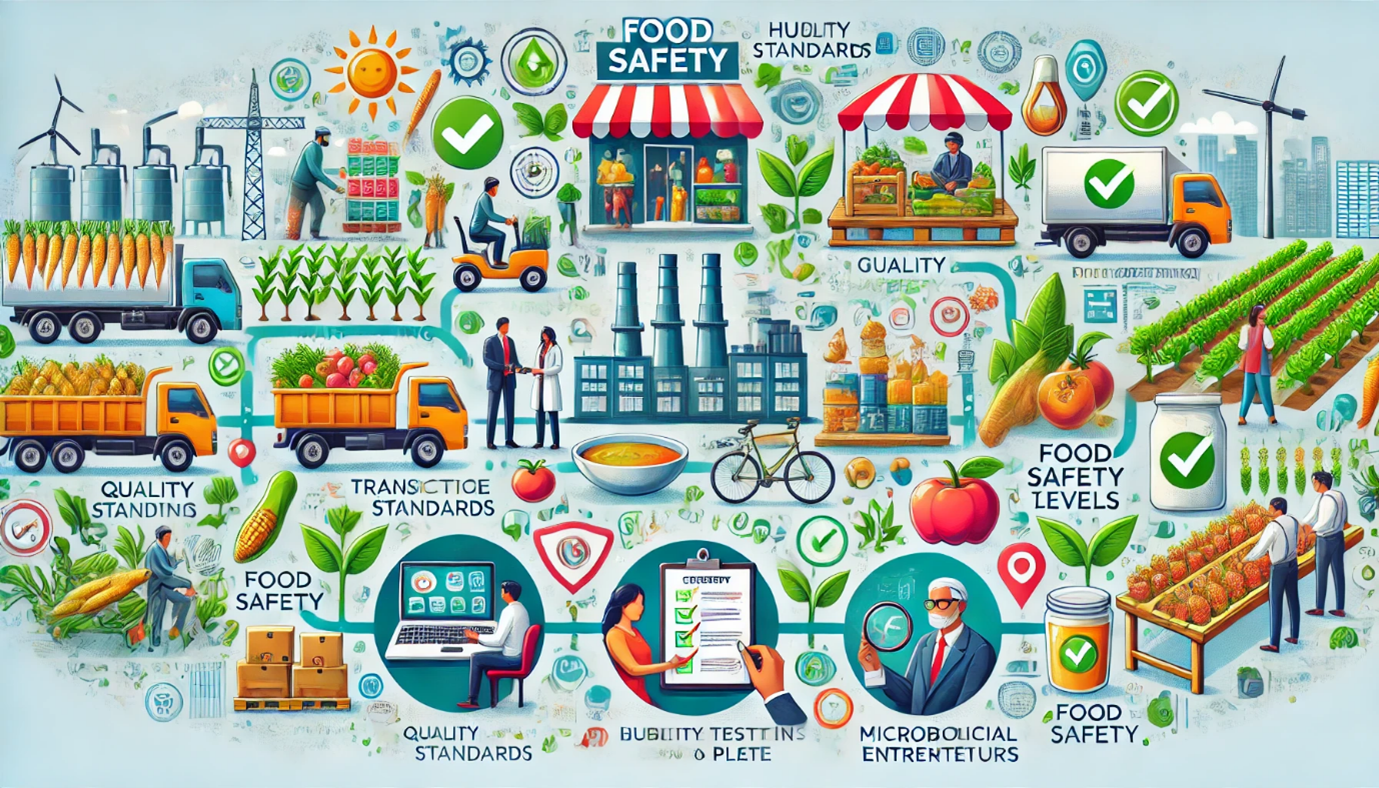
 Over the past two decades, codification of food safety norms in the country and alignment with global standards such as in labelling of packaged foods have gradually improved consumer confidence. One example of enlightened food manufacturing is the fortification of packaged grains, cereals and oils with micronutrients such as vitamins and minerals. Further, the Indian government has announced that all rice distributed under public food security schemes will be fortified with iron and folic acid by 2024. In spite of these positive developments, two key aspects of food entrepreneurship and manufacturing need to be rejuvenated.
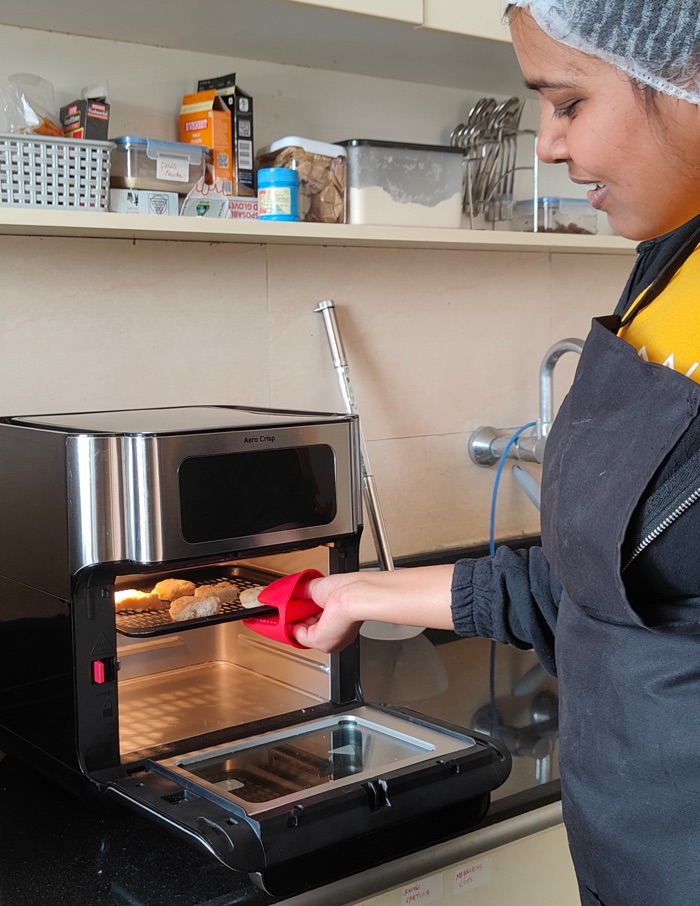 Large numbers of women in such socio-cultural contexts manage the food habits of their entire family. Training women microentrepreneurs in the art of assimilating scientific inputs is likely to amplify good health practices in their immediate families. Second, entrepreneurial efforts emerging from economically affluent sections need to be inclusive of customers from across all economic backgrounds. It is not uncommon to see a child of migrant labourers living significantly below poverty line eating a bag of purchased branded potato chips. If this kid can be happier, eating a similarly purchased bag of ‘health food’ with suitable amounts of protein and iron, it would signal a successful convergence of food safety and nutrition. Both of the above aspects require deep and pro-active engagement of food scientists and professionals. These could be further facilitated by academic and research institutions that identify challenges faced by the entrepreneurs as possibilities for collaborative problem-solving.