An interview with Dr.Yogesh Jadeja and Dr.Sezina Bhimani, Arid and Communities Technologies
- Please give introduction of ACTs role in bringing innovations in the village communities
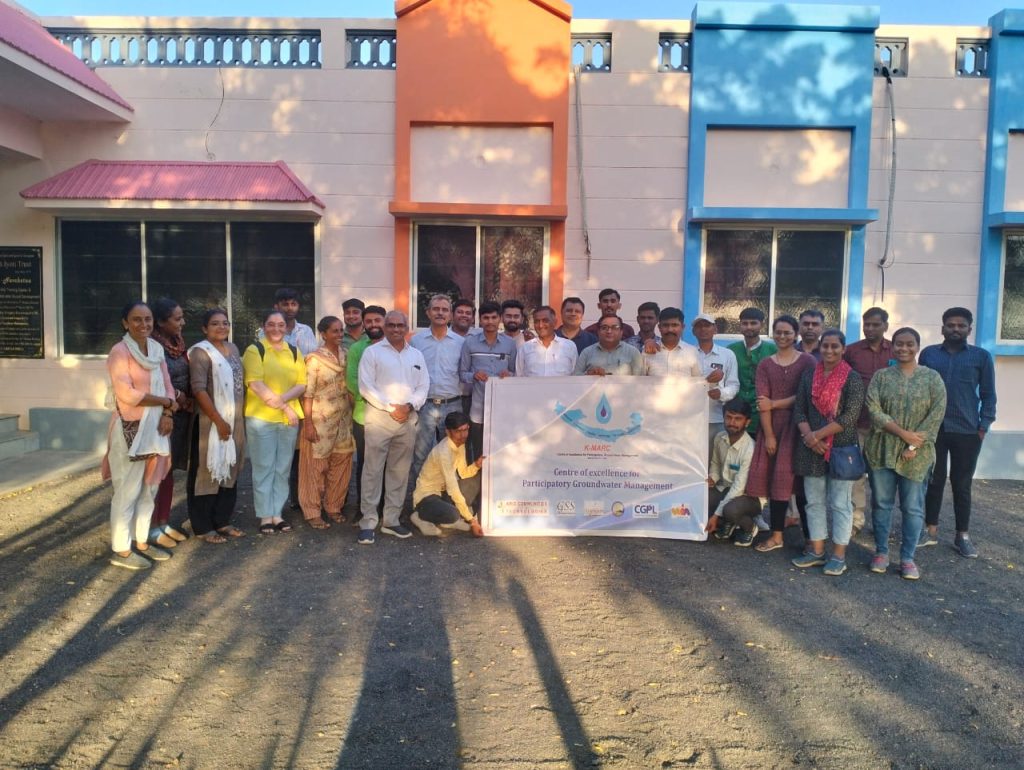 Natural resource management at village and community level will be a key determinant of the standard of living and overall village development and well being of the communities.
ACT has evolved the concept of Participatory Groundwater Management (PGWM) for water security and sustainability. ACT’s long term experiments and success through PGWM program have shown a more sustainable path towards this, by skilling and active participation in the water security planning, monitoring and management. Alongwith water supply augmentation, water demand management is a crucial component of PGWM. The demand side of water management has logically led to the need to introduce smart or precision farming among the small and marginal farmers. This has potential for not just better water security, but also increased farm incomes with better soil health. Women-led initiatives have led to nutri-garden projects, bringing more nutrition to their families and also creating opportunities for barter and microentrepreneurship.
- Objectives of bringing Innovations to Grassroot rural communities
 Water balance is a key to water management that includes many dynamic parameters such as rainfall, runoff, water storage as surface and groundwater, groundwater dynamics. As every component is a part of water cycle and is dynamic, it is essential to maintain the balance of water input vs output through integrated hydrogeological monitoring that has been framed using innovative technologies. Rural communities are adopting innovations and technologies in form of mobile phones, household durables, electric motors, etc. Our village society had evolved practices in water use suitable for different locations. However, in view of vastly higher population and their rising aspirations, there is great need for new innovations to be adopted in management of rural Commons – particularly water sources. Innovations for optimised usage of water for farming arises as a key need due to agriculture being the biggest user of water, roughly 80 to 90% of total usage.
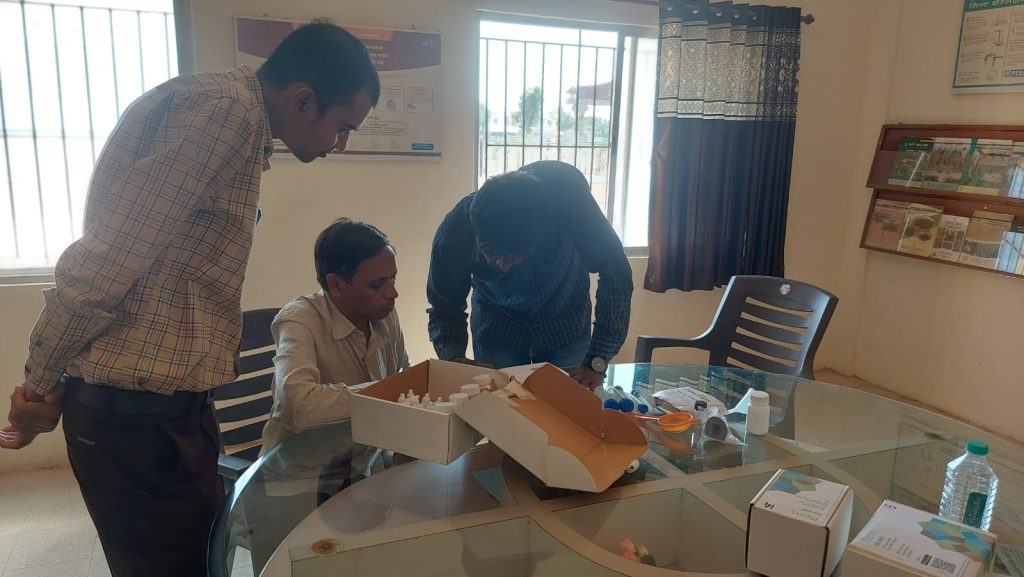
As an example, we have introduced soil testing kits at field level. These are very useful for quick analysis of soil, enabling farmers to determine adding soil nutrients. These are particularly useful for organic farming, since organic inputs, by their very nature, have varying strengths of nutrients, requiring farmers to measure and then fine tune nutrient inputs to achieve optimum level.
Our family nutrition practices have also suffered due to reduced agriculture diversity and lack of knowledge in evolving sustainable nutrition practices suitable for modern lifestyles, affecting even villages.
- Please tell us about the challenges faced in above objectives
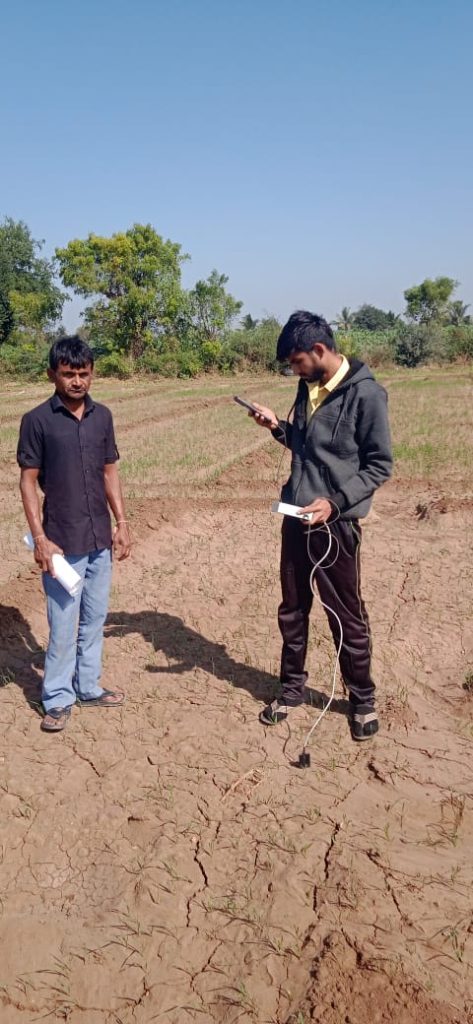 Fortunately, several Indian startups and corporates are introducing new products in the above domains, at affordable prices.
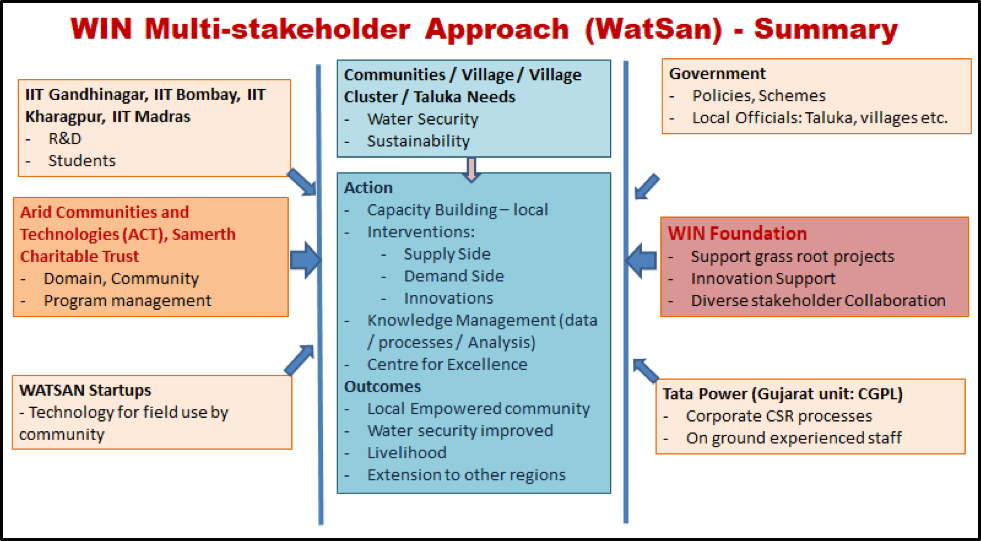
ACT and WIN Foundation have worked together to bring several innovative solutions to the grassroot communities. In this process, we have observed several challenges in (i) initiation and execution, (ii) achieving desired impact and (iii) scaling and replicating the practices.
The major challenges are explained below:
- i) Product and services level:
Startups have limited resources and their founders find it very difficult to reach rural areas, for sales and service.
Also innovative products, by their very nature, require extensive trials and refinements, to reach maturity stage.
As the users themselves are not familiar with such products, continuous training, and guidance are required for these trials and feedback needs to be obtained.
Demonstrating the benefits of innovations to users is essential for the continued adoption. This is challenging as impact is often dependent on a series of steps including multiple products, and requiring measurements over a few seasons and explaining the same to users in simple terms. Farmers used to follow the practices and tools available locally and being in used in the respective region widely. Therefore, the tools need to be mainstream in local market and need wide adaptation among the farmer communities.
ACT’s participative approach has helped here by training rural young men and women for these tasks. As the variety of products and their technical complexity increases, there is a need to train at least some rural youth with greater technical skills to install, train users and do basic maintenance. Getting technical assistance from cities is neither affordable nor scalable in the long run.
While we have shown impact of many of the innovations, the challenge to show significant impact to create demand for the products is still not tackled.
We have now launched an integrated project providing a series of innovations and practices towards precision farming, to show major improvements. For this, we are collaborating with multiple partners, including WIN Foundation, Krishi Vigyan Kendra, several startups, to bring increased expertise to rural areas including local capacity building.
We hope to show significant results in terms of better soil health, higher yield and incomes and greater health for local communities. Alongwith this, we aim to create a local village level cadre with skills in leading the villages to adopt these practices at scale.
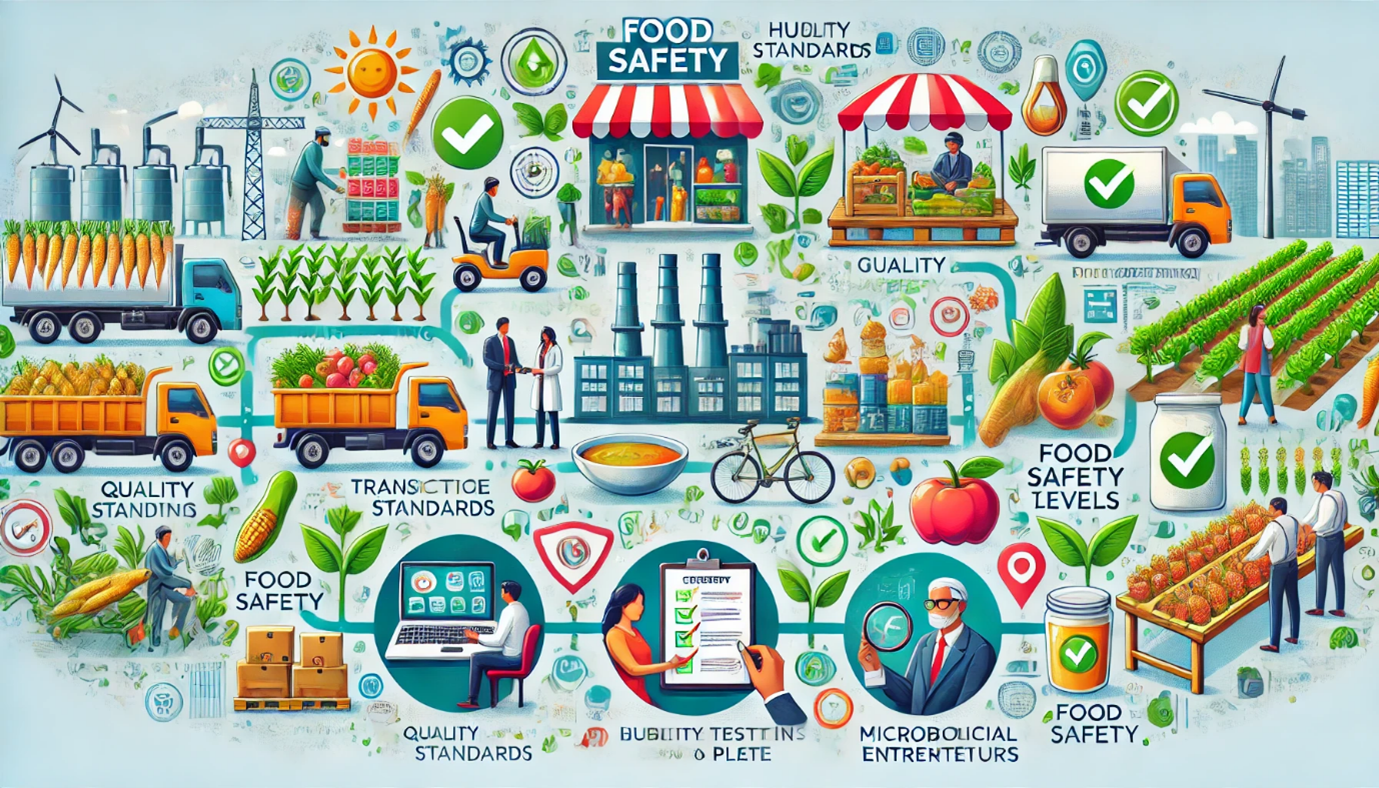
The next challenge is market linkages. Here again, we have brought innovations like low cost cooling systems, for storage and transport of perishables. In coming years, we aim to train our women nutri-gardeners, to use their surplus to produce nutritious food supplements and products.
For scaling up across a vast number of villages, we are also working on developing local leadership at village level, to enable village level initiatives to take of the vast diversities in our country.
- Please mention some areas where good innovations are required
We see great need for affordable and mature innovations for soil and water quality and and water quantity with higher efficiency of results. Soil moisture meter needs to be upgraded with guideline for decision making to schedule irrigation for various crop types.
There is a need of integrated guideline considering different soil types, its quality and suitable crop types. Water irrigation control for high HP pumpset at a reasonable price with robustness to work in tough rural environment is another unmet need.
Small powered farm implements, for de-weeding, harvesting, removing crop residue after harvesting, etc., in small farms. Seed bank for local varieties and indigenous seeds.
- Please mention about ACTs partnership with WIN Foundation to support in bringing innovations
WIN Foundation, through its experience and linkages in startup ecosystem have regularly brought new innovative products and also arranged for training of ACT members in installation and usage.
ACT and WIN Foundation have also conceptualised the program for integration of data services to bring greater value to farmers. Together with other partners, we aim to move towards our goal of taking society to science and enable villages to adopt technologies and products to improve their quality of life and quality and productivity of their work.
Somewhere we need to bring this entire region specific concept in a service mode available locally and easily accessible to farmers.
Dr.Yogesh Jadeja, Founder Director and Geohydrologist at Arid Communities and Technologies (https://www.linkedin.com/in/yogesh-jadeja-a703611a6/?originalSubdomain=in)
Dr.Sezina Bhimani, Founder director and Geohydrologist at Geo science services
(https://www.linkedin.com/in/sazina-bhimani-96b17718/?originalSubdomain=in)