Showing posts with label Skilling and Training. Show all posts

Thursday, 5 September 2024

Case Study – Nutri Kitchen Garden in the dry arid zone of Rapar

  Oct 15, 2023  0 Comment  Water Conservation

Author – Ms. Rajul Bharti,CEOSamerth Charitable Trust


Kutch is the second largest district of India, with sea on one side, desert on the other and land on the third. Kutch is now a popular tourist destination, but Rapar- a block in Kutch, is not a tourist hub. It is a dry, arid zone – also known as the dark zone since the ground water extraction is as high as 90 – 100%. The ground is saline, due to its closeness to the desert.

It is not surprising then, that 30% population in Rapar (total population is 2,17,315 (2011 census), 30% is roughly 65,194)   is from the marginalized communities – OBCs, SCs and STs (Rabari, Koli, Harijan etc). Monsoon is erratic and though the average rainfall of Kutch is 377mm – it occurs within a span of few days, and less than 4% of the rainwater can be collected.


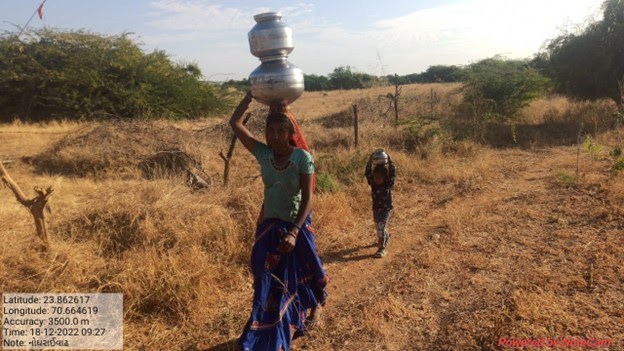
The SCs and STs – mainly Kolis and Harijans live in Vandhs. Vandhs, are settlements carved out of the village in deep desert lands. In Rapar like in other places, usually the land closest to water sources almost always belongs to the upper and the more powerful castes. The Kolis and harijans feature at the bottom of caste (power) hierarchy and hence have lands in areas with no water source and far away from the main village. Coupled with the ridicule that they face in the village, Kolis since generations decided to set up their homes near their lands. As the family grows, a settlement is formed – and this is called a Vandh. Out of village and administration’s direct purview, Vandhs have poor health and education facilities as well as road connectivity.


Poor families typically survive on millet or grain bread, garlic/onion and chilli mix. Pulses or potatoes are sometimes eaten as accompaniments but green vegetables are a rarity. Typically, women who are responsible for all domestic work, along with fetching water from water bodies, raise children, work on their farms prioritize themselves after everyone in else in the family for nutrition.  This impacts their overall health. This is reflected in women’s health at all stages. In adolescent girls – painful, heavy flow, health indicators of pregnant women* – poor weight gain during pregnancy, low birth weight of child, poor milk production and rampant anemia. In older women we found poor health during menopause especially detoriation in bone density and poor immunity (Source: Discussions with doctors from local Primary Health Centres, Asha workers, Aganwadi workers and discussions with community women).


Women, thus face a double marginalized – being born in an extremely marginalized community and then facing vulnerability due to their gender. A difficult geography and restrictive social norms leading to further marginalization – directly reflective on their health.


Samerth Trust works in Rapar focusing on communities, facilitating construction of more than 1000 ponds, wells, Rain roof water harvesting structures for the poorest families. Samerth in Partnership with WIN Foundation works with the most marginalized women and supports them in growing nutritious green vegetables based on their soil and water capacities. Women are also encouraged and supported to initiate vermicomposting and use the manure for their farms. These women are then capacitated to understand the importance of nutrition – focusing on the women’s health and how nutrition during adolescence and pregnancy is directly related to fetus health and her changing health requirements as she grows older.  These interactions gave rise to newer dialogues on importance of nutrition in women – post their child bearing age.


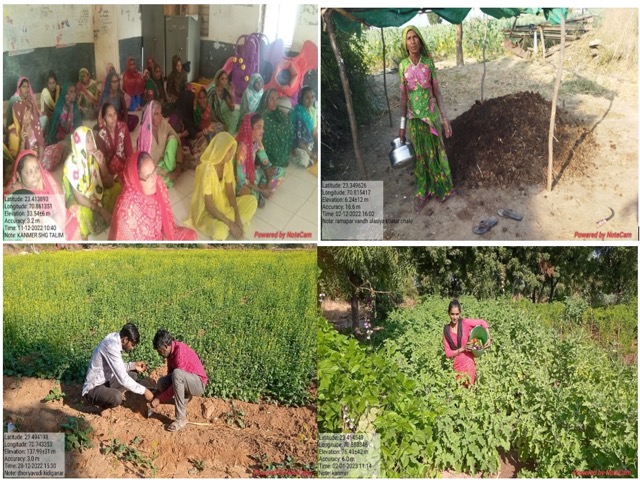
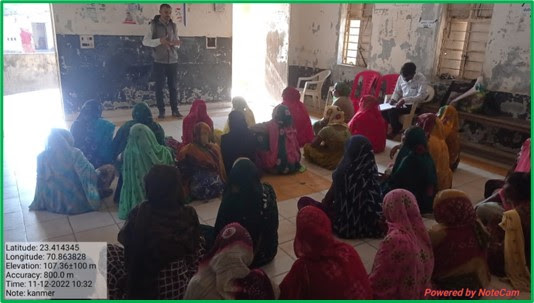
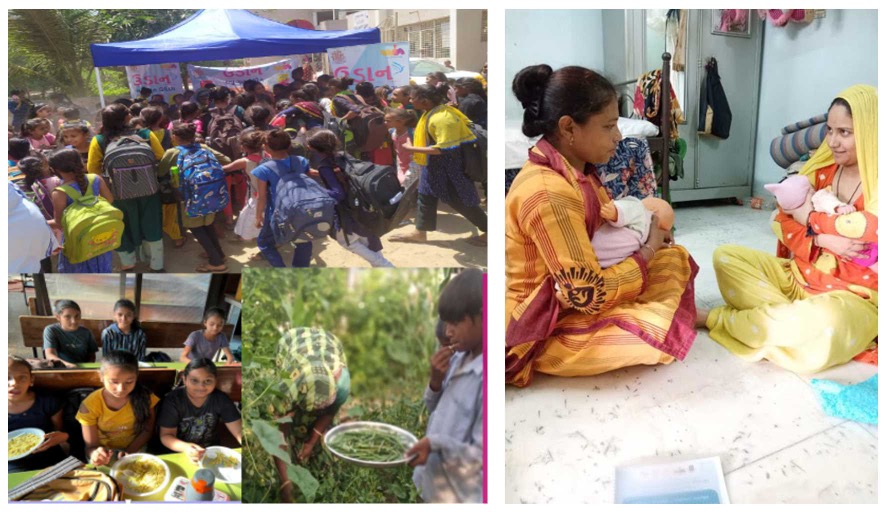
Women groups visit nursery and farms of individuals to learn successful practices of vegetable cultivation in the arid weather of Kutch. They are provided with seeds and sapling of vegetables based on their soil, water analysis, their own interest and food consumption pattern. 5 months into the programme, we see women growing vegetables and have now started consuming fresh vegetables at least once a day. Some have had excess and have started selling in and around their own area.

(From top to bottom, left to right women trained in groups, vermicomposting, soil testing and vegetable harvesting)


It is now too early to compare their health indicators with increase in their nutritional intake, but it is expected that that by the end of year this initiative will show demonstrable results. Already, women not part of the initiative are getting interested and have tried to sow vegetable seeds in the kitchen garden on their own.


The initiative is aimed to propose a new alternative to the persistent issue of nutritional health of women – especially in remote areas with poorest women in difficult geographies. Such initiatives combined with the Government’s support on the various nutrition related schemes should help to bring in sustainable change.


A short clip of one of our nutri kitchen women click here


*A quarter of women of reproductive age in India are undernourished, with a body mass index (BMI) of less than 18.5 kg/m (Source: NFHS 4 2015-16). It is well known that an undernourished mother inevitably gives birth to an undernourished baby, perpetuating an intergenerational cycle of undernutrition.”

Thursday, 25 July 2024

Local Leadership Development efforts and Local Leadership Conference in July, 2024


Realizing this potential of local leadership, WIN and ACT set up a target plan before two years for local leadership development, with a premise that such local leaders will be key to scaling up innovations and change. This involved identifying local leaders and then providing a platform, where they interact and get inputs and support for their plans. 


These leaders are also expected to inspire others in surrounding villages to spawn a viral movement for such development. In future, we may try to evolve a more formal training or coaching of these local leaders, to expand the pool of such effective leaders, and to create greater support structure driven primarily by peers among them.

 
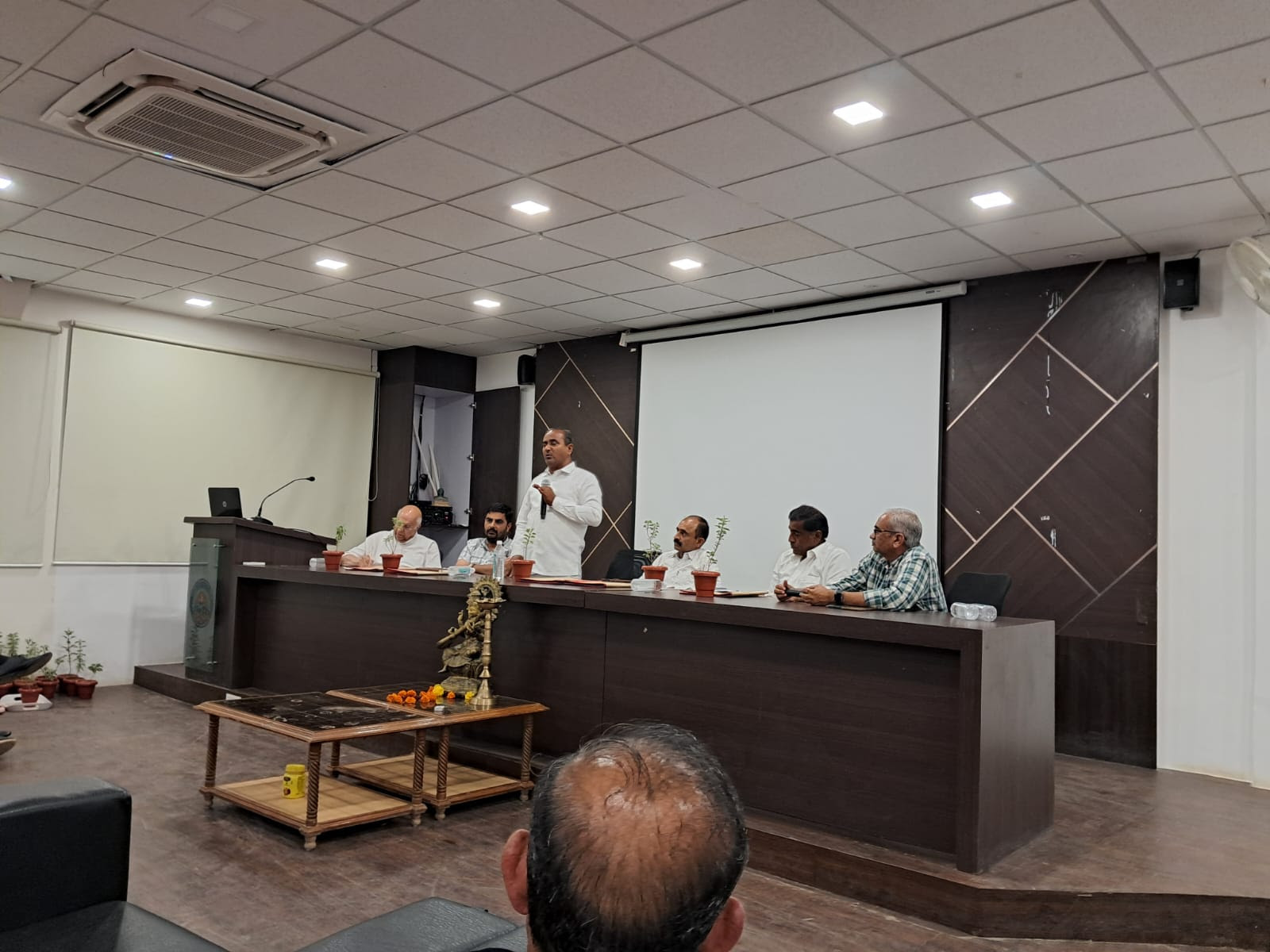
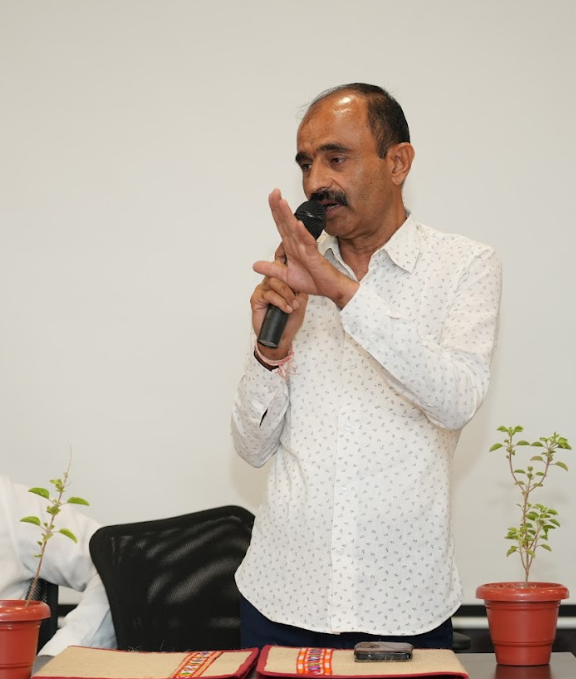
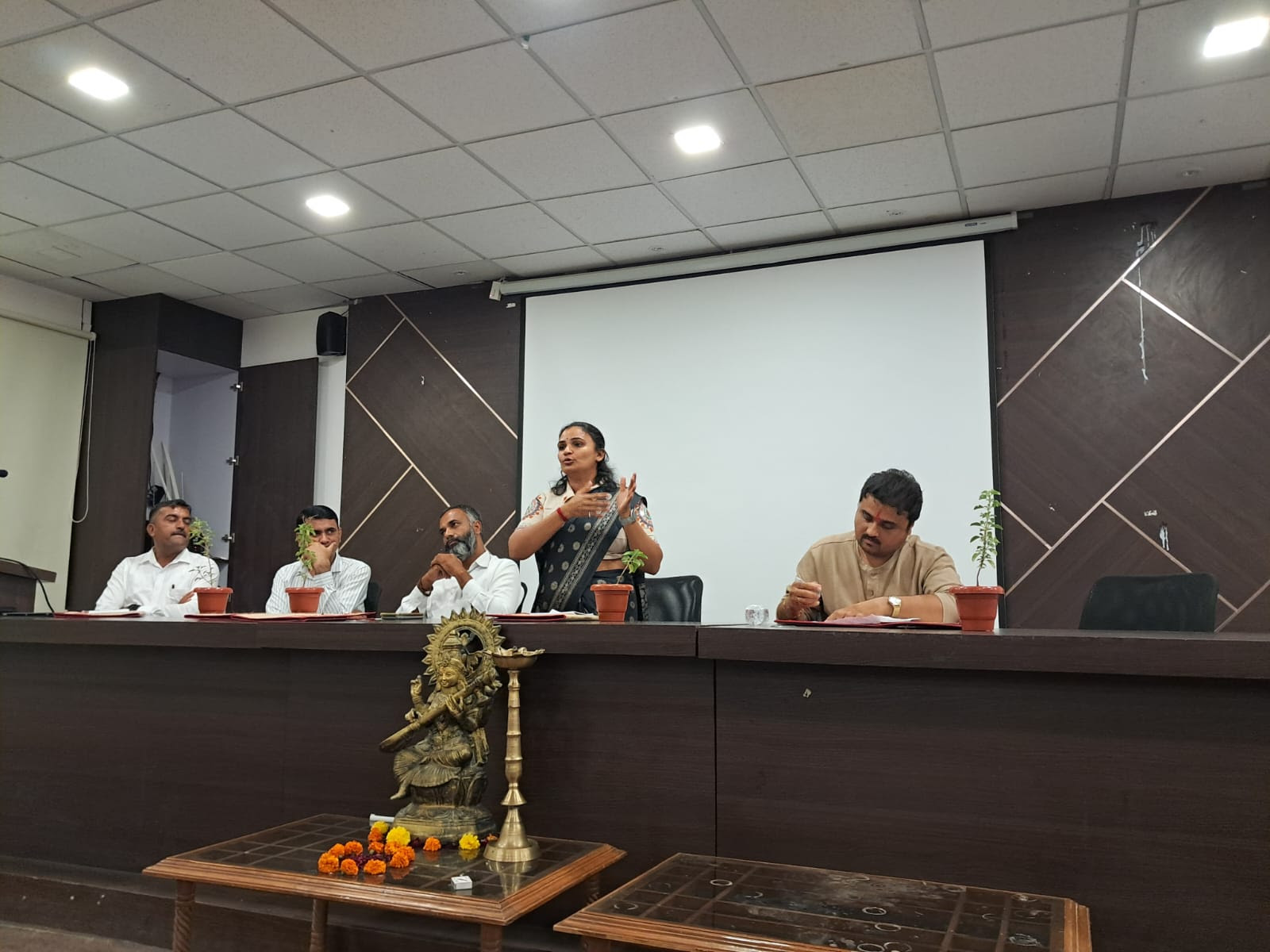
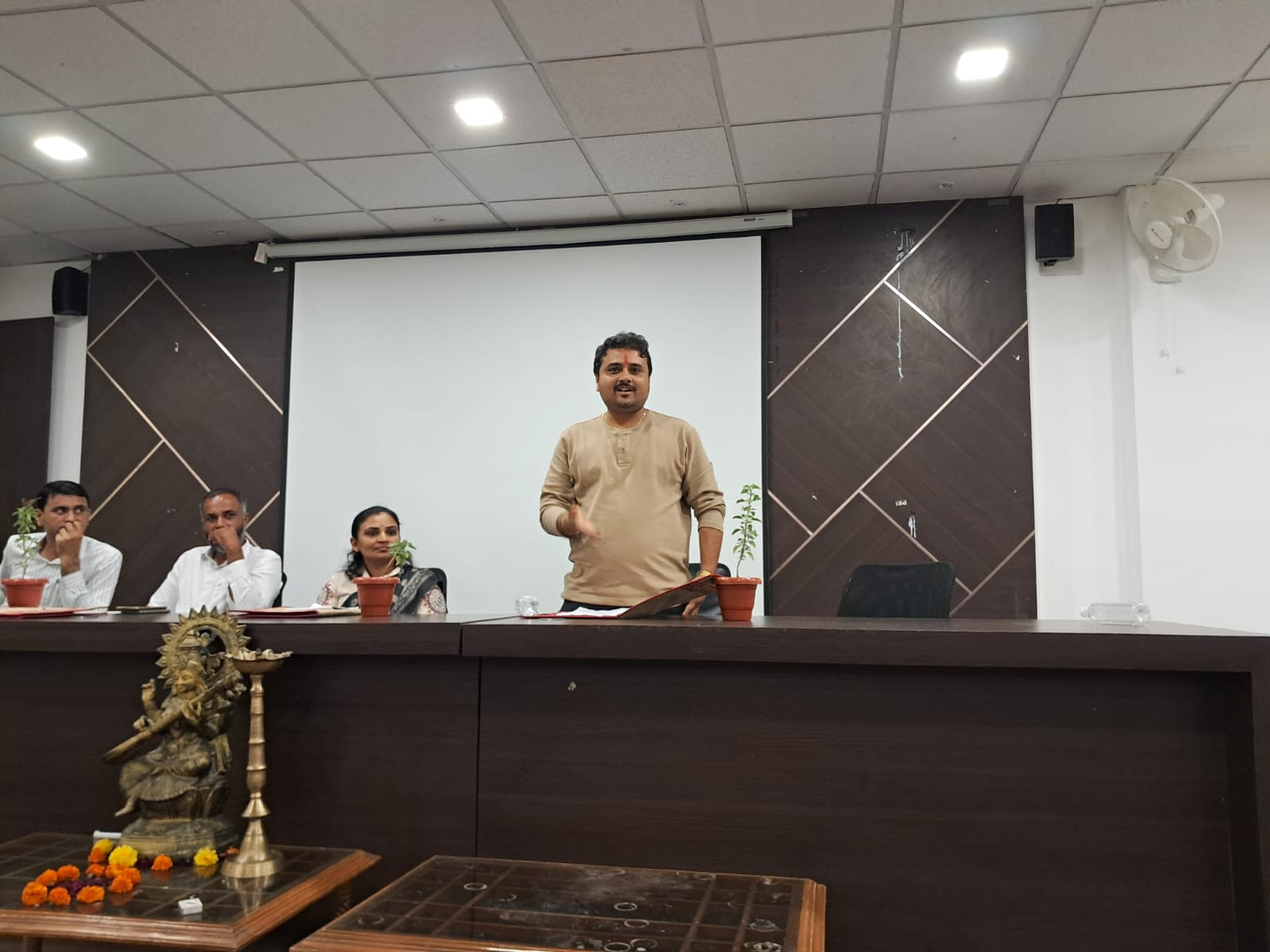
As one of these activities, ACT and WIN organized a Local Leadership Conference recently at Kutch University, Bhuj. This received excellent response, with around 100 local leaders participating from village to district levels. They discussed initiatives, challenges and the way forward. Some of the achievements and challenges discussed by local leaders as presented below, demonstrate clearly the potential of local leadership.

Mahendrabhai Gadhavi, former Chairman, Kutch District Panchayat Working Committee
 
The check dam era started  in the nineties.This helped recovery of local water bodies, many of which were encroached or not even registered as water bodies in land records. Subsequently the recharge era began, recognizing the importance of Kankavati aquifer, led to greater role of local people, who were otherwise, earlier dependent on the Kutchi business community in Mumbai.
The District Panchayat committee coordinated with the state government to use local methods and approach to drastically reduce cost per recharge. Through active coordination with Sarpanchs, including a padyatra across villages, Sarpanchs were asked to decide on location of one recharge borewell. Local studies were also used to decide on depth of each recharge borewell. 260 sites were accepted by the state government. This has resulted in improving groundwater levels and substantial reduction in TDS. It has resulted in substantial increase in value of horticulture including mangoes, dates, pomegranates, dragon fruit etc.

Janaksinh Jadeja, President, Kutch District Panchayat

Local leaders working together resulted in lower costs and better quality control of the work being done by contractors under the state government scheme. If local leaders come together then path breaking and large scale work can be done.

Chandrikaben Rangani, Sarpanch, Kanakpar gram panchayat

Our water committee is composed entirely of women members. Every house has a water meter. Our recharge structure was created in 2019. Water harvesting is implemented in every house. Sewage water is used in agriculture. All these are managed by the women of water committee..

Bharmalbhai Gadhavi, Former Sarpanch, Kathda gram panchayat

Ours is a coastal area. Through public contribution to the extent of 50% of cost and "shram daan" (contribution through labour work) by those who could not give money, 11 local water bodies were strengthened and 100 million litres of additional storage capacity created.

As farmers become better off, they may move towards organic farming.
We, local leaders should take initiatives and also motivate 10-20 others to do so.

Amrutbhai Chhabhaiya, Community leader, Patidar Samaj

We led a fundraising campaign from borewell owners and implemented 200 borewell recharges.

Maganbhai Ahir, progressive farmer

Adopted natural farming, and also changed crops, watering, sowing pattern. Strengthened two water bodies by own efforts.

We also did two more detailed interviews with two of the stalwarts, given in the next part.

Monday, 18 March 2024

Technology transfer: Possibilities in resource management

 An overview by WIN Foundation

(Author: Ms. Aishani Goswami)


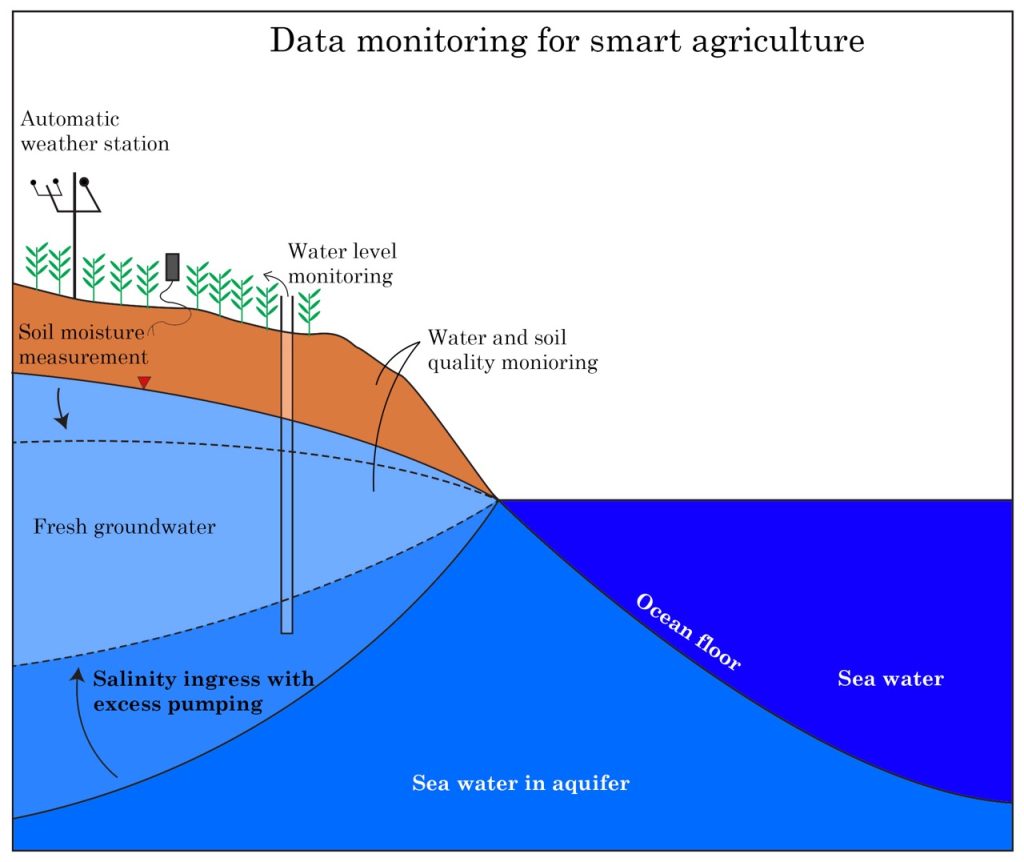
‘What gets measured, gets managed’ is a quote often used in sustainable resource management discussions. Regular monitoring of land cover change, conducting tree and animal census forms the basis for forest management. Traditional agricultural practices were based in indigenous knowledge, organic inputs, and involved practice / experience based on people’s science. With advancements in science and increase in the scale of agriculture, use of technology in the farms becomes imperative. And in this context measuring parameters like soil moisture, water availability, soil and water quality, weather prediction will help farmers make educated decisions at her farm.


With our implementing partner, Arid Communities and Technologies, we envisioned an integrated agriculture-water-soil data monitoring system with an objective to give advisory to farmers to make farm level decisions, such as cropping patterns, water saving techniques, soil health improvement. It incorporates a multi-layered study of local geographic, climatic, hydro-geological, water and soil studies, by creating an integrated system of data collection, storage and analysis.

‘Bhujal Jankars’, who are community resource persons trained by us in practical applications of hydro-geology, play a key role in this process. They have a good rapport with the community, are scientifically informed and collect data for various parameters using respective instruments. We train them to understand

  1. The importance of data
  2. Science based farming practices
  3. Theory of data parameters such as soil moisture, groundwater level, TDS, soil quality parameters
  4. Interpreting data of above mentioned parameters
  5. Understanding trends and changes in data parameters
  6. Communicating and explaining to farmers about collected data

We have evolved data collection and storing techniques. What began as field diary entries, have become structured formats, to google forms and now a farmer App that we have developed in partnership with SoilSens. This app is connected with SoilSens soil moisture collection equipment, and also stores groundwater level and quality data, soil quality parameters, and weather parameters.


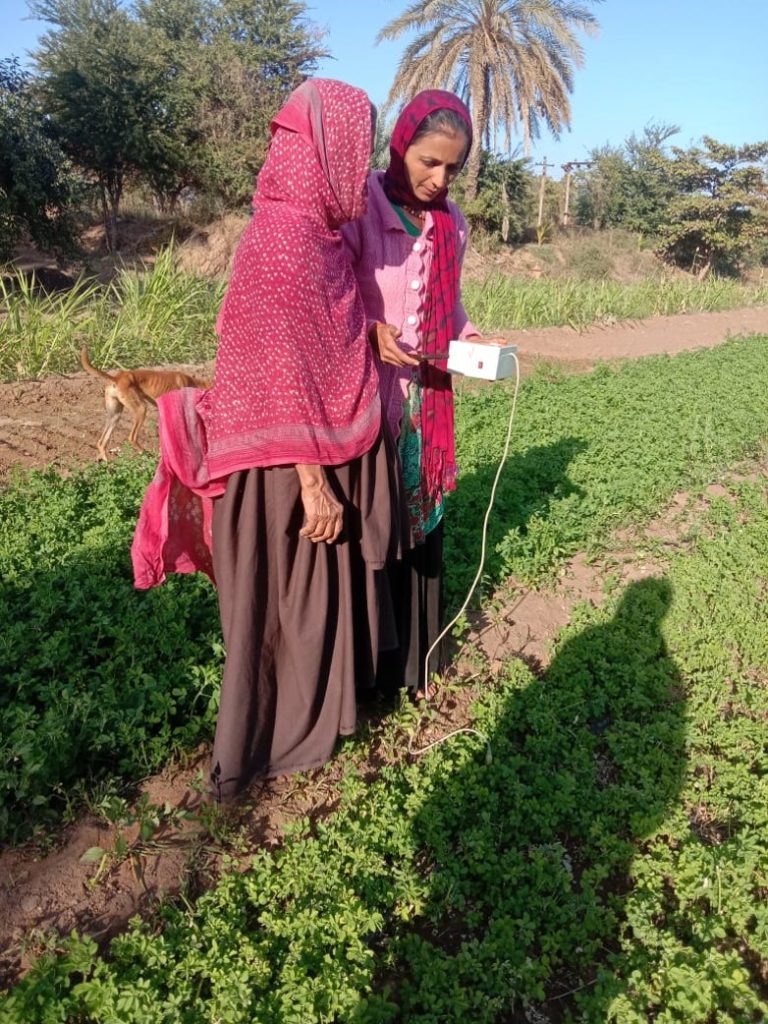
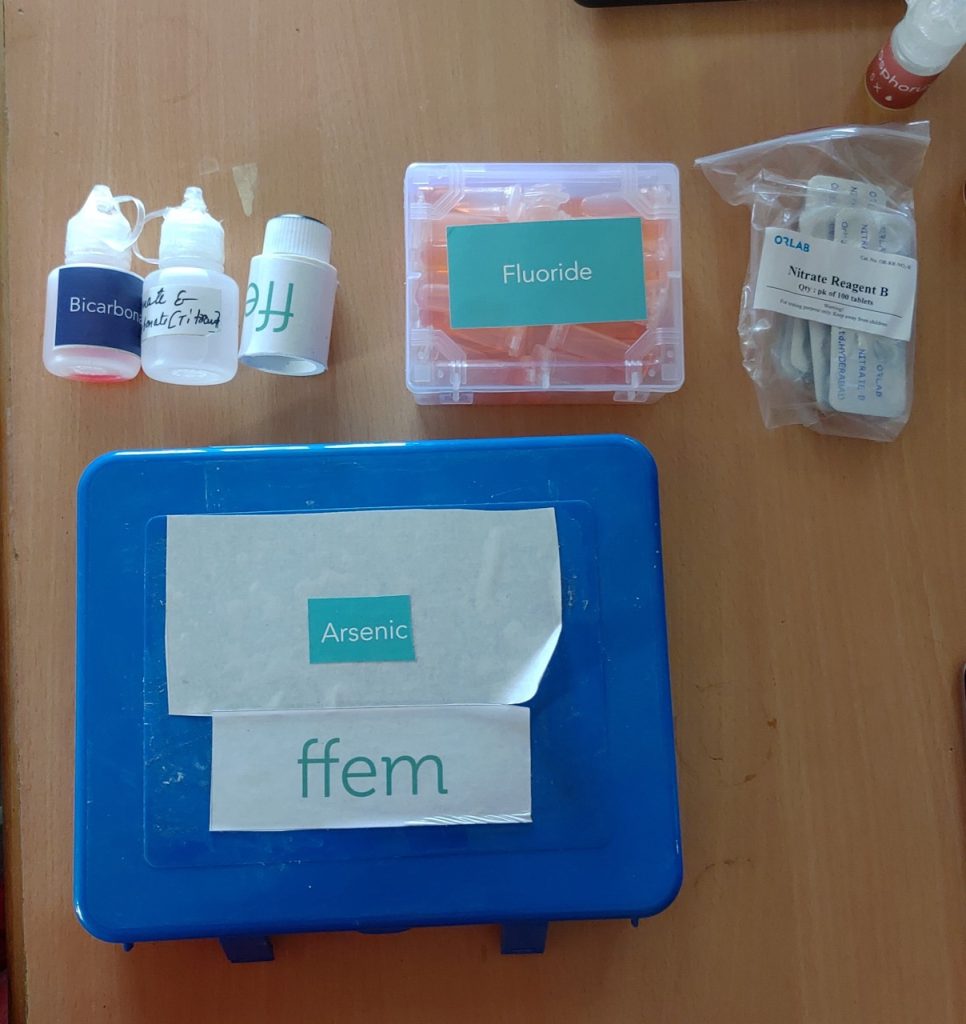
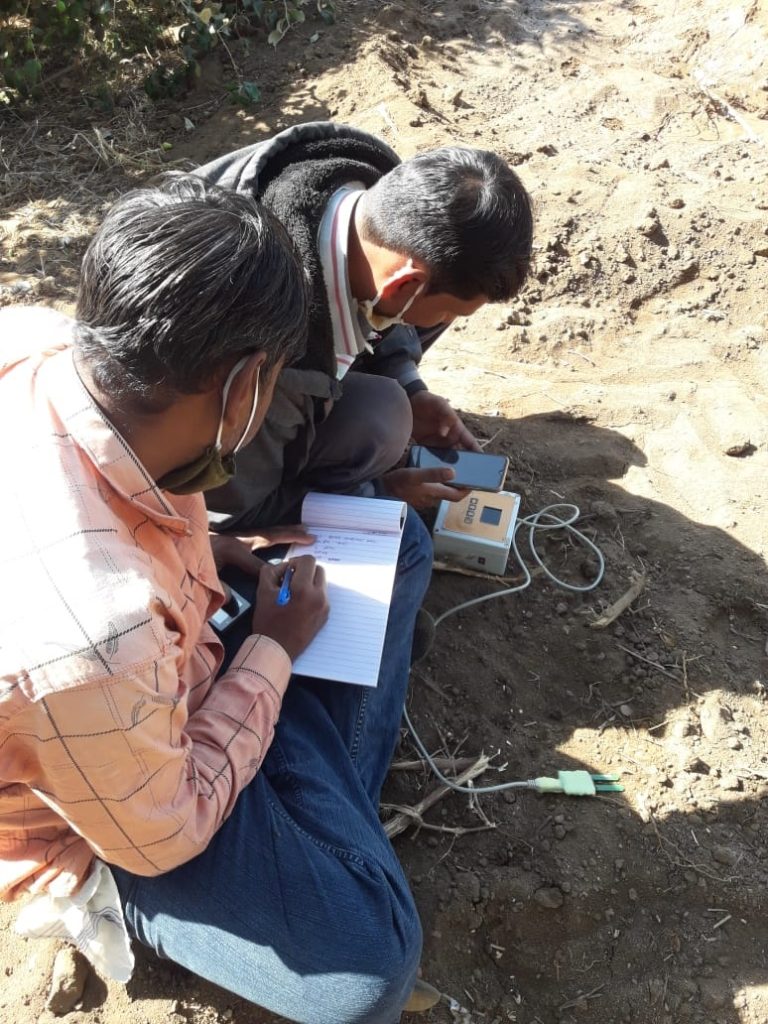
(Field soil testing kit and BJs measuring soil moisture on field)

(Integrated data system to measure different parameters)


Challenges and way forward:

Smart farming is an evolving field, and in our attempts of creating pilot farms implementing smart farming, we have learnt a lot.

  • It is important to understand the importance of data and regular data collection, and gradually build a vision around smart farming. In absence of such an understanding, regular data collection can seem to become monotonous and burdensome. So, at regular intervals we organise workshops with experts, farmers, Bhujal Jankars and our staff to build this vision.
  • Data can sometimes feel abstract, especially when it is stored on servers. So it is important for farmers and field teams to access data easily and make sense of it through visualisations, discussions with peers and guidance from subject experts.
  • It is also important to develop a language to communicate scientific concepts, data parameters and its application in farming to farmers. This language needs to be regional, clear and simple to understand.
  • Sometimes smart farming technology can seem daunting, especially to farmers who may not be exposed to it. So, it is important to train farmers in the practical applications of technology and handhold them till they feel confident enough to use and explore on their own.
  • As a process smart farming could involve multiple stakeholders including farmers, scientists, domain experts, startups and technology providers, NGOs, government. It is crucial to develop inclusive partnerships and ensure that the technology reaches the farmers in farmer-friendly ways.


If this is a topic that interests you, get in touch with us at info@winfoundations.org, we are happy to learn from you and share our experiences.

Thursday, 26 October 2023

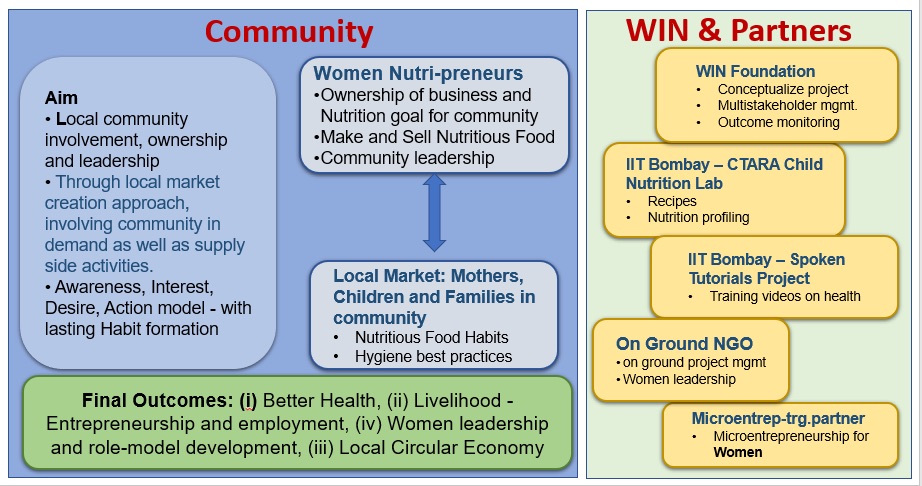
WIN Nutrition Approach – Community-centred and owned


Author – WIN Foundation


Background


Rural, tribal and urban slum areas face following challenges:


(i) lack of maintenance of Commons and civic services and

(ii) Poor quality of life and work.


The government, central and states, private charities and multilateral organizations including UN bodies, have, over decades, launched many schemes for social impact, many of them multiple times, repeating process and programs over years.


In spite of this the results are not satisfactory. The major reason for this is that the top down approach of most of the programs do not inculcate change in competencies, behaviour and habits. Due to this, the changes sought are not  sustained.


Community led approaches


Four key elements that affect social change are the environment, technology, social institutions, and communities. These elements are interlinked with each other.

Environment

  • With our overstretched resource usage, living in harmony with nature using appropriate technology are important for sustainable development, economic growth and


Technology

  • Combining traditional local knowledge with scientific knowledge and innovations at community level will enable development of new sustainable approaches, optimised to local needs. Indigenous knowledge is also important for the conservation of biodiversity.
  • Indigenous knowledge is also a potential source for the conservation of biodiversity.
  • People involvement in this process is essential for acceleration of change through scaling and replication.


Community ownership encourages and enables:

  • Responsibility and accountability at local levels, aided by skilling and leadership development, bringing sharp focus on local customer and community needs.
  • Adoption of innovative technology and delivery models, refined continuously over time through local trials, generating local evidence.
  • Co-operation, coordination and collaboration between the stakeholders at the community level to bring greater awareness and better habits.


Social Institutions and other organisations enable community ownership process through:

  • Creating Space for Community Ownership and leadership within communities.
  • Bring institutional resources to the table, to bring different competencies to the community participants with a strong focus on experiential learning, skilling and leadership development. For this institutions have to reorient their own staff on principles of community ownership, local entrepreneurship, and customer centricity, as a key driver for sustainable change.
  • Continuously monitor and refine process to close the gap between intention and impact.
  • Encourage community voice; speak up to make change..
  • Creating equitable and just solutions is not just people work, it’s heart work.
  • Documentation of processes and results to help replication and scaling


WIN  Foundation Nutrition projects


WIN Foundation has taken Community centred approach with aim for Community ownership, to the nutrition problem.


Nutrition status in most parts of the country remains challenging. In spite of several programs for improving nutrition, lack of habit formation in nutrition food habits which, has led to poor nutrition outcomes. To add to this, we also face the adverse effect of

(i) Mass input driven agriculture, leading to reduction of food diversity, a very critical requirement for balanced nutrition,

(ii) High volume processed food products, tasty but low on nutrition, which have reached remote corners of the country. This has developed vested interests in food industry.


Our approach envisions a community which takes charge of nutrition needs and overcomes above challenges.


Friday, 14 October 2022

Nutritious Food and Women Microenterprises – The Saath Experience

 Authors: Mr. Rajendra Joshi, Managing Trustee, Ms. Chinmayi Desai, Director-urban Programs and Mr. Manish Kumar Mishra-R&D Manager- Saath Charitable Trust


Food is the most important basic need for human existence and has a powerful influence on world history. Food preferences emerge in early childhood. Children in low-income urban geographies cannot resist the temptation of tasty, cheap and easily accessible packaged food/ junk food. Junk food contributes more calories than nutrients and is high in fat, sugar and salt. Continuous consumption of ready-to-eat packaged food can negatively impact growth, decay teeth, promote obesity and ultimately lead to malnutrition. Food containing low nutritional value reduces the intelligence of children, thus constraining their future learning capacity and ultimately impacting the economy negatively. At present, in India, the health and nutrition indicators of children in urban areas are as bad as those of their rural counterparts much of which can be attributed to the consumption of packaged ready-to-eat food. The urban population in India is projected to double from 410 million in 2014 to 814 million by 2050, making it imperative to address the issue urgently. Opportunities exist in the promotion of market-based interventions on nutritious food and women-led microenterprises have a great role to play in nutritious ready-to-eat food/ snack foods. The size of the snacks market in India is estimated to be worth Rs. 44,000 crores with an annual growth of 25%. As Saath has realized, the barriers to scale for nutritious food, women-led microenterprises remain – (i) Poor recognition of business opportunities; (ii) Domains like hygiene, preservation, operational efficiency and unit cost optimization require more attention; (iii) Support system of mentors and advisors need strengthening; (iv) Averseness on debt and scepticism to start out on their own; (v) Lack of ecosystem approach – NGO, MFI/ Banks and Entrepreneurs


Thus, Saath in collaboration with WIN Foundation started working towards nurturing women microenterprises on nutritious snacks. The interventions are designed on the twin strategies of (i) pull or demand creation and (ii) push or supply generation. Through this project, twenty-five women micro-entrepreneurs have been trained by Saath on product development, market research, production, marketing, customer feedback, repeat orders, team development and financial management. Trained entrepreneurs have come out with two to three nutritive products each, have clearly identified customer segments and are generating significant physical volumes, sales value, repeat orders, and profit and seeing it as a viable employment opportunity. They have started to build partnerships with sales channels and raw material supply chains. The subsequent discussions elaborate on our experiences during the entire process.

Vasna a low-income neighbourhood was chosen for the project. It is located between the old city and new Ahmedabad and is home to various communities including Marwadi, Harijan, Vanjara, Rabbari, Vankar and Darbar. These communities are largely patriarchal and women prefer home-based livelihoods. However to make both ends meet, some women have started venturing out for work as housemaids. Women are often sole breadwinners and support a family of four to five dependents often struggling to make ends meet. Hence monetary shortage is persistent and the need for women-centred income-generating activities is a priority. Therefore, Vasna was a natural choice for this project.

The concept seeding was done in group meetings with 10-15 women, where the project concept was introduced. Selection of women was also done in this group by asking questions like: “Who are interested in Cooking? What do you know about cooking? Have you worked previously in cooking at others’ homes? Can you cook something different? What can you cook which is liked by everyone? Are they interested in enterprise or in Job?” Fifteen such concept seeding meetings were conducted with around 250 women. The Saath team listed names of women who expressed interest and had commensurate skills. The shortlisted women were later called to the Vasna Saath Centre to register themselves.

Although everyone listened attentively during the concept seeding meetings, showed interest and explicitly agreed to come to the centre for registration, however, only twenty-five turned up and among them, six women quit even before the training began. The Saath team learnt that out of every four women contacted initially only one would become an active participant. Out of twenty-five women who had agreed to join the training, six women joined a similar program organized by the government in the lure of utensils and travel reimbursement. However, a majority of women decided to attend the Saath program as it had handholding services.

The technical training of dry snacks was a weeklong program with one session on life skills and motivation. Information about ingredients was shared after which the trainer demonstrated the cooking process. Thereafter participants were asked to repeat the process, to ensure effective learning. Participants are also allowed to showcase their skills in traditional food preparation in which they were confident to facilitate co-learning between group members. The training focused on nutritious food only and included limited products like Ragi ni Sukdi, Tal ni Sukdi, Khajoor roll and Nachos. Saath Team is also working on identifying new products which can be taken to scale and has a high shelf life.

Advanced business training focused on establishing the microenterprise, finalizing the product, costing, packaging, marketing, and margins along with clear product uniqueness. The process of the training included lectures followed by practical demonstrations, packing products, going to shops and making sales pitch. Also, participants were asked to prepare and try selling their own products to add to the experience.

Preparation of snacks in the advanced business training is a central group-based activity. The group consisted of three women. Raw materials were supplied by Saath and snacks were produced, packed and marketed by this group. Saath has learnt that the business must compete with regular ready-to-eat packaged food. Thus, Saath is working to improve the retailer margins, increase shelf life, decrease product price, and increase taste and visual appeal. As the products are reaching the market Saath is connecting to the market for regular feedback on competition practices, cost structure, price spread, customer segments and preferences.

Training on Whatsapp Business Catalogue

This training discussed the benefits of the Whatsapp business App and trained participants on the process of creating a profile and catalogue. It included perfecting the art of clicking a food picture, typing messages, replies and sending links. This training spanned over nine days and is conducted twice weekly. The initial training was given by a third-party expert who understands the context of women-led food microenterprises. This training was conducted online with the objective to train the Saath team also. The Saath team thereafter closely worked with women entrepreneurs to develop the catalogues. These sessions were organized at the centre. It was essential that participants have smartphones and dual-sim activated. Saath also played a significant role in mobilizing smartphones for entrepreneurs.

Present Impact of the Programme:

Eight women have started business since May 2022 generating gross revenue of Rs. 1.11 Lakh and profit of Rs. 0.35 Lakh. Twenty participants are in the process to start a business, six participants have been linked to a job and two women have left the program. Women entrepreneurs require assistance in getting orders and a subsidized loan of around Rs. 50,000 to strengthen their enterprise. To create a physical presence in the mind of customers, Saath is also planning to participate in food festivals which will also go a long way to establishing the business.

Thoughts for the Future:

As discussed, the idea of nutritious snacks is timely. However, it requires patience, hard work and regular investment in market research, technology and standardizing operational processes. Post-COVID-19 the upper middle class is sensitized towards such products and is an easy market. However, reaching these nutritious products to low-income households will require addressing issues of affordability and ease of access for the population who is under the constant squeeze of time and money.

Source: https://fmtmagazine.in/overview-of-snacks-market-in-india/

____________________________________________________________________________________________

If you are keen to introduce micro-entrepreneurship training in your area or village for local communities and want to know more about our work, feel free to reach out to us at info@winfoundations.org

Thursday, 8 September 2022

Water and Sanitation – Challenges and Opportunities for enhancing governance in rural / tribal areas


Water and Sanitation – Challenges and Opportunities for enhancing governance in rural/tribal areas

Authors: Paresh Vora, Director, India Operations, WIN Foundation, and Dr. Yogesh Jadeja, Founder and Director, Arid Communities and Technologies


“Water touches every aspect of development and it links with nearly every Sustainable Development Goal (SDG). It drives economic growth, supports healthy ecosystems, and is essential and fundamental for life itself. Some 2.2 billion people around the world do not have safely managed drinking water services, 4.2 billion people do not have safely managed sanitation services, and 3 billion lack basic handwashing facilities.”

– World Bank

The Government of India has recognised the massive challenges in Water and Sanitation domain and launched the Swachh Bharat Abhiyan, Atal Bhujal Yojana and Jal Jeevan Mission. Water shortages and poor quality affect hundreds of districts. Our agriculture suffers from vagaries of water supply, seriously affecting the food and nutrition security of the country as well as livelihood of small farmers.

The annual natural water cycle provides us limited fresh water, mostly during monsoon, stored on surface as well as in the ground and then used over the season, till the next supply arrives. On the other hand, the increased demand for water due to modern lifestyle and industry have led us to over-use surface water and over-extract ground water. This has lowered water levels and increased salinity in ground water. This, coupled with pollution due to human and industrial contaminants, has added to the water problems.

Before looking at solutions, a few key points worth noting: (i) While items like petrol, gets used-up, i.e. converted to another substance, water “usage” converts typically water to impure or polluted water. Proper treatment and recycling can increase the supply of available water. (ii) Nature’s water cleansing processes are inadequate for our levels of pollution. E.g. Human waste will take many months to decompose, while  chemicals and plastics may take tens of years. (iii) Agriculture uses about 90% of water. Optimized water use in agriculture increases yield and also preserves soil health. (iv) Water is basic to all life on earth. So it is also important to use water in a manner which protects the living ecosystems around us.

Hence, governance model for water at various levels of government needs to focus on: (i) conservation, (ii) optimized usage, (iii) recycling and reuse of water.  

Water governance also needs to be decentralized to the lowest administrative levels, due to distributed nature of storage and consumption and agriculture being largest user of water. Villages panchayat and associated groups should form the bedrock of water governance.

The newly launched Atal Bhujal Yojana and the Jal Jivan Mission offer an excellent opportunity to create sound and long term water governance structure, including policies, rules and regulations, protocols among participating administrative bodies, with participation by all stakeholders. This document, primarily talks of water governance in villages

Objectives of Water Governance

Villages desire water security, to ensure that their water demand for all uses are met from the available water supply. Thus both supply and demand side management is required.

The inflow of water in a village is based on rainfall, river, springs or canal inflows brought to village. This water is stored in rivers or springs, lakes, ponds, open wells and ground water aquifers. Water storage optimization is the key need.

The largest usage of water is in agriculture, with other major uses being family, cattle, and any industries located in or around the village. Thus agricultural practices, including crops selected, have the largest impact on demand for water. Optimized water usage, not only conserves water, but also results in better agricultural productivity and retains soil and water quality.

Village level

Hence, at the village level, the water governance system, should be centered on the Village Panchayat. The system should include (i) understanding Water supply and demand, creation and implementation of water security plan and water resource management protocols. (ii) impact measurement and corrective actions. Water Resource Committees, together with Farmers groups, Women groups, and similar bodies need to be involved as stakeholders and contribute to the decision-making. Village bodies need to ensure non-discriminatory decisions, so that water is provided in equitable manner to all.

Village panchayats can adopt suitable water policy legislation, in coordination with neighboring villages as well as nearby industries. This should be respected under the Panchayat act, with suitable methods for dispute resolutions in minimum time through administrative, arbitration or judicial means.

Cluster / Block / Taluka Level

Springs, rivers, canals and aquifers span across many villages and even districts. Hence coordination is required at village-cluster, block and taluka levels. At village cluster levels, the respective Panchayats need to develop mechanism to coordinate and cooperate on demand and supply issues. The taluka panchayats also need to play a role of coordination, when required to resolve differences. This will help village clusters to move from dependence to independence and then to inter-dependence to ensure more long term stability in water security, better ecosystem management, and economic and social progress.

District / State / National Levels

The towns, villages, industries, forests – all of them impact and are impacted by water governance in an interdependent manner. So a higher level coordination at the District, State and national level is required to ensure equitable solution for problems. E.g. The inevitable expansion of urbanization and industrialization cause overdrawing of water by the outlying urban colonies and reduces water for adjoining villages. This document does not aim to define these higher level governance structures.

While top-down approaches are important for initiating major changes as well as maintain the accountability and direction at higher level, a simultaneous decentralized approach at village and cluster / taluka levels is essential to bring a transformational change through participation by stakeholders at ground level. This alone can lead to tackling current challenges in water in more efficient and sustainable manner.

Skilling

Traditional water conservation structures and practices were implemented by village level skilled persons. Today it is imperative to develop a village level cadre (called Bhujal Jankars or Jaldoots) with training on traditional methods, upgraded with current technology and processes. Constant upskilling is required to adopt new methods. They need to understand water supply and demand, hydrogeology of the area, weather and rainfall, water conservation and recharge structures, testing and measurements, and ability to coordinate among various groups in the village.

The person should also have basic knowledge in agricultural practices and be able to coordinate with external agriculture experts.

This also creates livelihood opportunities at village level. With such a cadre, the Village bodies will have the knowledge and implementation expertise support to implement important supply and demand side initiatives.


Virtual Knowledge and Practice Excellence Centre

The skilled cadre of respective villages, will form a team, to study the cluster, block and taluka level issues and provide technical backup to the solutions implemented. This team needs to be linked to level experts from NGO’s, Institutions, Industry, Government, as required, for guidance on more complex issues.

Data and data analytics have emerged as a very powerful tool in all domains in twenty-first century. It has huge potential in agriculture, with its diverse data sets, huge amount of traditional and modern knowledge need to distill learning and make it available to farmers. Extensive data, captured from thousands of farms, on water, soil, weather, agricultural practices, inputs and outputs, prices, over period of years, enables farm level advisories for even marginal farmers cost effectively, and has potential to vastly improve agricultural science. This will go a long way to meet the farmer’s income needs and nation’s need to meet challenges of food and nutrition.

Thus, over a period of time, this body will form multiple virtual centre of excellence, capable of drawing from and contributing to higher level expertise, and support diverse local conditions and needs.

Evidence through Action Research under the Participatory Ground Water Management Program by ACT:

Most of the above steps have been implemented under the Participatory Ground Water Management project, carried out by Arid Communities and Technologies, with support from WIN Foundation and Tata Power Ltd. In  cluster of 19 villages of Mandvi Taluka in Kutch district in Gujarat, local youth were trained as Bhujal Jankars and in turn they prepared village level water security plans in discussion with village communities, under guidance from ACT. Supply side interventions and demand side interventions were carried out followed by introduction of innovations. Knowledge management systems were developed, including protocols, processes and data system. This has enabled replication in other locations: (i) Khambhalia area in Dwarka district and (ii) Abdasa and Nalia talukas in Kutch, with suitable adaptations for different hydrogeological, socio-economic, cultural conditions. 

This has created a virtual centre of excellence with collective knowledge within the community including the Bhujal Jankars, Farmers and Women groups and village panchayat. Higher level expertise and continuous training is provided by ACT, which also brings additional expertise e.g. KVK for  farming – KVK, and WIN Foundation for innovations. For gender equity, Women Bhujal Jankars are being increasingly trained and in turn they are initiating more activities through women groups, e.g. kitchen gardens with marginal farming families or ladies.

The local Panchayat bodies and Taluka development offices have also supported these processes.  Now, ABhY has adopted some of these processes for scaling up at National Level and ACT has been allocated 123 villages in Mandvi Block, 129 villages in Nakhatrana block, 25 villages in Anjar block, 14 villages in Bhachau block under ABhY.

Conclusion

Water is critical basis for life on our planet and essential for all aspect of human progress and quality of life. In our highly integrated and complex society, a knowledge and innovation based decentralized water governance with supportive centralized structure and practices, is essential for proper management of water for long term sustainability of our planet.

To quote the father of our nation, Mahatma Gandhi, “The earth, the air, the land, and the water are not an inheritance from our forefathers but on loan from our children. So we have to handover to them at least as it was handed over to us.” 
We owe it to the future generation to take the right steps.

Note: Views expressed by author are personal.
 
About the authors:

Mr. Paresh Vora, is Director, India Operations, WIN Foundation (www.winfoundations.org). Link to Prolife – click here. Mr. Paresh Vora can be reached for any comments/feedback at: paresh@winfoundations.org
 
Dr. Yogesh Jadeja is the Founder Director, Arid Communities and Technologies (ACT, https://act-india.org/), Bhuj, Gujarat, a dedicated organisation for Participatory Ground Water Management. He has nearly 3 decades of experience in water conservation. Dr. Yogesh Jadeja can be reached at his email id yogeshjadeja2129@gmail.com, for any comments/feedback.
Monday, 21 June 2021

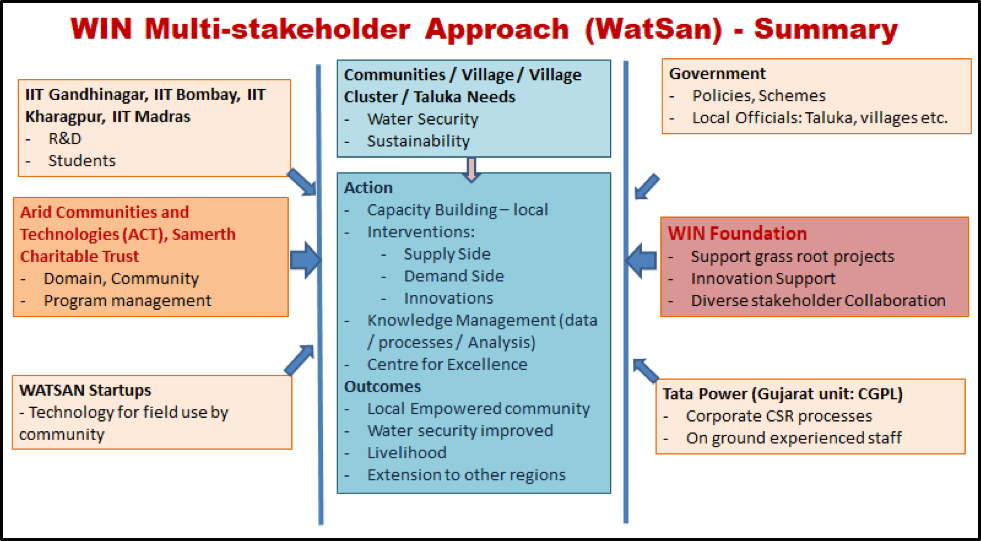
Multi-stakeholder Approach for Participatory Water Management in Rural and tribal Areas

  Jun 21, 2021  0 Comment  Water and Sanitation

Robust participatory approach for Water Security and Conservation can overcome the water challenge facing our rural and tribal areas. This encompasses: 

  • capacity building of local communities through training of (i) village level hydrogeologists and water experts, and (ii) farmer and women groups for cooperative action
  • Water security master plan through local participation
  • Supply Side and Demand side interventions
  • Cost effective Technologies to bring better practices and knowledge
  • Knowledge management – development of processes and protocols for adaptation / adoption in other locations.

The Water Challenge

 “Water touches every aspect of development and it links with nearly every Sustainable Development Goal (SDG). It drives economic growth, supports healthy ecosystems, and is essential and fundamental for life itself. Some 2.2 billion people around the world do not have safely managed drinking water services, 4.2 billion people do not have safely managed sanitation services, and 3 billion lack basic handwashing facilities.”    – World Bank 

  • Water shortages and its poor quality affect hundreds of districts. Our agriculture suffers from vagaries of water supply, seriously affecting the food and nutrition security of the country as well as livelihood of small farmers.
  • The annual natural water cycle provides us limited fresh water. On the other hand, the increased demand for water due to modern lifestyle and industry have led us to over-use surface water and over-extract ground water. This has lowered water levels and increased salinity in ground water. Pollution due to human and industrial contaminants, has added to the water problems.
  • As Water is basic to all life on earth, it is also important to use water in a manner which protects the living ecosystems around us. This is particularly critical for living beings which reside in water.
  • Hence, the main objectives of governance model for water at various levels of government should be: (i) support conservation, (ii) optimized usage, (iii) recycling and reuse of water. 
  • The Government of India has recognised the massive challenges in Water and Sanitation domain and launched the Swachha Bharat Abhiyan, Atal Bhujal Yojana and Jal Jeevan Mission.

It is necessary to adopt multi-stakeholder approach to bring value to grass root interventions with multiple innovations in technology and processes, community empowerment and knowledge management

To introduce innovations for social impact in a sustainable manner, requires multiple partners in the ecosystem to collaborate.

Institution and Capacity Building

  • Local village level experts team – trained on geo-hydrology, Water Security planning,(may be called as Bhujal Jankar, Jaldoot, etc)
  • Farmers and Women Groups in villages for institution building, farming practices through collective decision making
  • Water Security Plan (WSP): Water supply and demand planning for all needs of village
  • Supply Side:
    • Ground water recharge: in village water bodies, river-bed, abandoned well
    • Desilting, embankment repair for village water bodies
    • River / canal water planning and storage of excess water
  • Demand Side:
    • Farming intervention support like drip irrigation, fodder crops, silt application, and so on
  • Technology introduction at grass root (affordable and usable by communities)
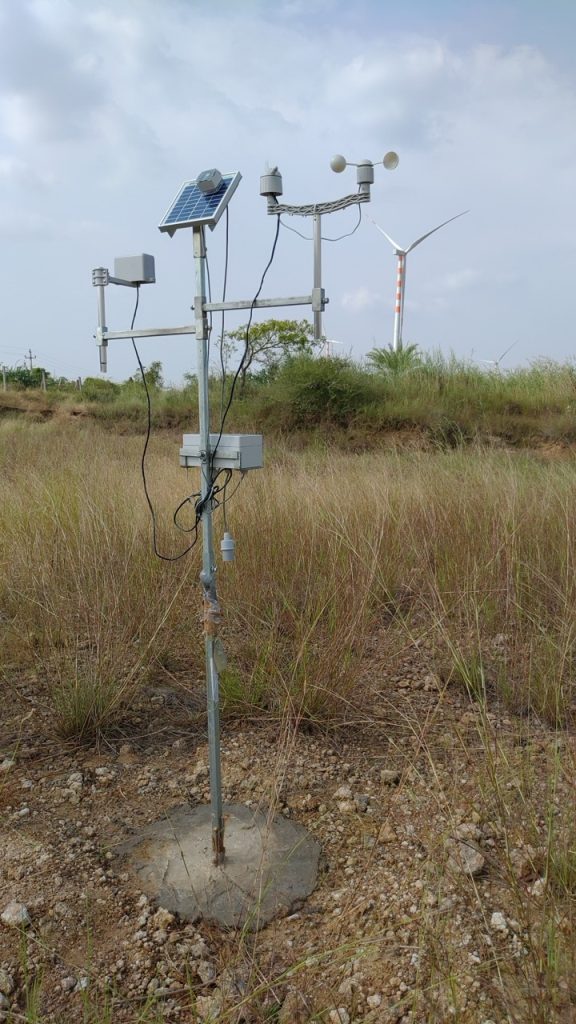
    • field level soil quality and moisture measurement
    • field Water quality and availability measurements
    • village level Weather forecast station
    • Modular cold chain for storage and transport of perishables
    • Smart agriculture and water conservation data system
  • Knowledge Management
    • Protocol, process development with community expertise built into the systems
    • guidance and support for Adoption of above in same hydrogeological region 
    • guidance and support for Adaptation of above in different hydrogeological regions

To Summarize, Multistakeholder collaborative approach brings synergistic benefits to community. Each stakeholder brings unique competencies, and enables accomplishing complete solutions significantly better than that achievable individually by each.

WIN Foundation has supported;

(i) Participatory Ground Water Management Project pioneered by Arid Communities and Technologies (ACT), Kutch, for water conservation. This project is also guided and supported by Coastal Gujarat Power Ltd (a Unit of Tata Power Limited in Kutch). CGPL provides on-ground support with its own team, logistics support and project monitoring and review support. 

(ii) Technology, products and process development projects with 4 IITs, covering water treatment, water distribution and waste-water processing, with further aim to translate the technology developed and apply in the field. 

(iii) It has supported several innovative startups in this domain, bringing their products through ACT and other NGOs to community, for the critical prototype -> test -> refine stage of product market validation.

If interested: 

Whether you are an NGO or Foundation working in water, or Gram Panchayat or a Government official working to improve water conservation practices, WIN Foundation and its partners are happy to share its knowledge. If interested in above, feel free to contact us at info@winfoundations.org

Friday, 11 June 2021

Training of Trainers – MATERNAL, INFANT AND YOUNG CHILD NUTRITION

 India is home to the largest number of hungry people in the world. The Global Hunger Index (GHI) 2018 ranks India at 103 out of 119 countries. Under recently released NHFS 5, 

A few important findings in the recently released NFHS 5 results illustrate this strongly:

  1. Increased % Stunting among children, in 13 out of 22 states and UTs surveyed.
  2. Increased % Wasting among children below 5, in 12 out of 22 states and UTs surveyed.
  3. Over 50% of women are anaemic.

As traditional Supply based programs have shown inadequate results, we need to look at it from Demand perspective – to create strong awareness and demand or Pull for nutritious food from mothers and communities.

Opportunity:

The 1,000 days between a woman’s pregnancy and her child’s 2nd birthday offer a unique window of opportunity to shape healthier and more prosperous futures. The right nutrition during this 1000-day window can have a profound impact on a child’s ability to grow, learn, and rise out of poverty. It can also shape a society’s long-term health, stability, and prosperity. 

  • During pregnancy, under-nutrition can have a devastating impact on the health if the mother and healthy growth and development of a child. 
  • Babies who are malnourished in the womb or in first two years of life have a higher risk of dying in infancy and are more likely to face lifelong cognitive and physical deficits and chronic health problems. 
  • Giving mother focused and continuous counselling during both pre and post child birth, through well trained and motivated field health workers:
    • Prebirth period: counselling for nutrition, prenatal vitamins,  appropriate intake of calories during pregnancy can halt the onset of malnutrition right from the womb. 
    • Post childbirth: counseling on breast feeding skills and nutrients-dense complementary feeding post 6 months, educating her on importance of vaccination, hygiene and sanitation.

By focusing on above, mothers and family members are empowered to seek healthy food and hygiene practices for themselves and the young babies. This will also create a strong pull or demand for healthy food items or ingredients as well as better hygiene practices.

Thus investing in better nutrition in the 1000-day window will help families, communities, and countries break the cycle of poverty. 

Long Term Goal of Training

To work towards the WHO Sustainable Development Goals targets 2025, and to improve

maternal, infant and young child nutrition by capacitating healthcare workers at the grassroots to

achieve:

  • 40% reduction in the number of children under 5 who are stunted
  • 50% reduction in anemia in women of reproductive age
  • 30% reduction in low birth weight
  • No increase in childhood obesity
  • Increase the rate of exclusive breast feeding in the first 6 months to at least 50%
  • Reduce and maintain childhood wasting to less than 5%

Overall Training Objective

The programme aims to:

  • To empower Filed Health workers as master trainers with the technical knowledge of Infant & Young Child Nutrition & counselling techniques, including mother’s nutrition, breast feeding, and supplementary feeding after 6 months of birth.
  •  To make them confident to impart the same training to their colleagues and to caregivers of young infant and children.
  • To help caregivers to help their children to survive and thrive, so that they reach their

physical and intellectual potential, by improving their knowledge of health, hygiene and nutrition and child development.

  • To reduce the incidence of malnutrition through regular data collection on child growth, prevention, raise alters for early detection and treatment; thereby reducing the incidence of stunting, wasting and associated ill health.

Training Methodology and Content:

SMDT has developed  “First 1000 Days” Training of the Trainers (‘TOT”) module tailored to the Health Care workers. The training approach is based on the principles of Skill development in breast feeding and complementary feeding counselling as well as nutrition Counselling in pregnant and lactating mothers. In-depth learning of the critical window period, pregnancy and nutrition and its role in the growth and Prevention of disease in a child is included. This comprehensive knowledge of the science of breast-feeding and complementary foods empowers the participants to deliver evidence-based dietary guidelines to tackle malnutrition at every stage of the first 1000 days of a child and beyond, and subsequently track growth of children at regular intervals. An interactive Training approach involves hands-on practicals to prepare them to impart high quality training to their co-workers as well as their beneficiaries. The module employs a variety of training methods, including demonstrations, discussions, case studies, critical thinking, team building, drama, role-play and problem solving. Participants are encouraged towards inquiry-based learning and sharing of experiences. The focus is on behavior change communication training, so that they feel empowered to convince caretakers to adopt the latest evidence-based advice. 

Learning Materials

Extensive pictorial and easy to use learning materials includes printed large format guides, charts and easy to use videos. These materials are useful for: .

  1. Learning by Health workers / Master Trainers during the training, and to revise learning
  2. Use same materials to counsel mothers on regular basis.
  3. Videos are available to view or download which mothers can view by themselves later.

Topics covered during trainings are:

  1. Science of nutrition
  2. Importance of the first 1000 days 
  3. Essential nutrition action (ENA)
  4. Counselling techniques for behavior change
  5. Pregnancy support counselling on health and nutrition
  6. Breast crawl
  7. Breast feeding technique 
  8. Breast feeding difficulties
  9. Breast conditions
  10. Breast feeding counselling techniques
  11. Not enough milk: usual scenario
  12. New-born care
  13. Minor illness of new-born/young child
  14. Guideline of complementary feedings
  15. Foods rich in minerals and vitamins, and their recipes
  16. Nutrition guidelines in pregnancy and for lactating mothers
  17. Behaviour issues of children during meals
  18. Safe preparation of meals and importance of good sanitation
  19. Myths busting
  20. Growth charts
  21. Growth monitoring and how to pick up if growth falters

Benefits/Anticipated Outcomes

  • Empowerment of the whole community to promote and maintain health, through understanding the importance of early nutrition and hygiene practices  for infant and young child nutrition.
  • Evidence-based skill building of breast feeding and appropriate complementary feeding, thereby preventing devastating acute as well chronic malnutrition in children.
  • Understanding the techniques of breast feeding positioning and latching, thereby improving the weight and length gain in the baby.
  • Understanding the technicalities of beast crawl and importance of colostrums, hence initiating breast-feeding within half hour of birth.
  • Increased demand for nutritious food and food ingredient, reduced consumption of junk food and empty calories, thereby improving both short and long-term health outcomes.
  • With better nutrition, children will be more likely to reach their physical and intellectual potential.
  • Understanding the importance of eating traditional foods and recipes not only for pregnant and lactating mothers, but also for children starting from 6 months of age.
  • Knowledge of cooking techniques, which increases nutrient content as well as digestibility of food preparations.
  •  Understanding the behaviour issues of children in relation to food and managing them effectively and confidently.
  •  Understanding science- and evidence-based feeding practices to reduce myths and doubts.
  • Make this knowledge and practices owned by community, to improve health and nutrition of the children and others, and pass on this knowledge for future generations.

If you are keen to introduce Mother and Infant Child Nutrition training in your area or village for field health workers, and thus contribute towards fighting malnutrition, and want to know more about the above training, feel free to reach out to us at info@winfoundations.org

Food Safety for Nutrition Entrepreneurs

  Food Safety for Nutrition Entrepreneurs   Dr. Bhaskar Datta,Associate Professor, Chemistry  (Jointly with Biological Sciences and Engineer...