Showing posts with label Nutrition. Show all posts

Thursday, 5 September 2024

Case Study – Nutri Kitchen Garden in the dry arid zone of Rapar

  Oct 15, 2023  0 Comment  Water Conservation

Author – Ms. Rajul Bharti,CEOSamerth Charitable Trust


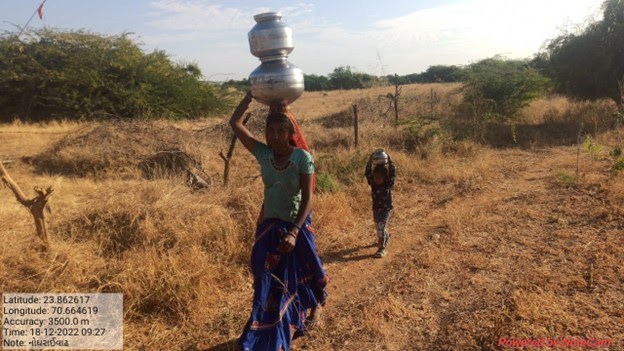
Kutch is the second largest district of India, with sea on one side, desert on the other and land on the third. Kutch is now a popular tourist destination, but Rapar- a block in Kutch, is not a tourist hub. It is a dry, arid zone – also known as the dark zone since the ground water extraction is as high as 90 – 100%. The ground is saline, due to its closeness to the desert.

It is not surprising then, that 30% population in Rapar (total population is 2,17,315 (2011 census), 30% is roughly 65,194)   is from the marginalized communities – OBCs, SCs and STs (Rabari, Koli, Harijan etc). Monsoon is erratic and though the average rainfall of Kutch is 377mm – it occurs within a span of few days, and less than 4% of the rainwater can be collected.


The SCs and STs – mainly Kolis and Harijans live in Vandhs. Vandhs, are settlements carved out of the village in deep desert lands. In Rapar like in other places, usually the land closest to water sources almost always belongs to the upper and the more powerful castes. The Kolis and harijans feature at the bottom of caste (power) hierarchy and hence have lands in areas with no water source and far away from the main village. Coupled with the ridicule that they face in the village, Kolis since generations decided to set up their homes near their lands. As the family grows, a settlement is formed – and this is called a Vandh. Out of village and administration’s direct purview, Vandhs have poor health and education facilities as well as road connectivity.


Poor families typically survive on millet or grain bread, garlic/onion and chilli mix. Pulses or potatoes are sometimes eaten as accompaniments but green vegetables are a rarity. Typically, women who are responsible for all domestic work, along with fetching water from water bodies, raise children, work on their farms prioritize themselves after everyone in else in the family for nutrition.  This impacts their overall health. This is reflected in women’s health at all stages. In adolescent girls – painful, heavy flow, health indicators of pregnant women* – poor weight gain during pregnancy, low birth weight of child, poor milk production and rampant anemia. In older women we found poor health during menopause especially detoriation in bone density and poor immunity (Source: Discussions with doctors from local Primary Health Centres, Asha workers, Aganwadi workers and discussions with community women).


Women, thus face a double marginalized – being born in an extremely marginalized community and then facing vulnerability due to their gender. A difficult geography and restrictive social norms leading to further marginalization – directly reflective on their health.


Samerth Trust works in Rapar focusing on communities, facilitating construction of more than 1000 ponds, wells, Rain roof water harvesting structures for the poorest families. Samerth in Partnership with WIN Foundation works with the most marginalized women and supports them in growing nutritious green vegetables based on their soil and water capacities. Women are also encouraged and supported to initiate vermicomposting and use the manure for their farms. These women are then capacitated to understand the importance of nutrition – focusing on the women’s health and how nutrition during adolescence and pregnancy is directly related to fetus health and her changing health requirements as she grows older.  These interactions gave rise to newer dialogues on importance of nutrition in women – post their child bearing age.


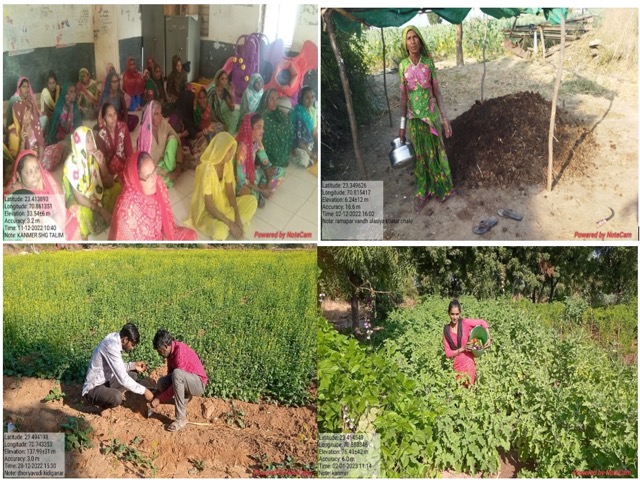
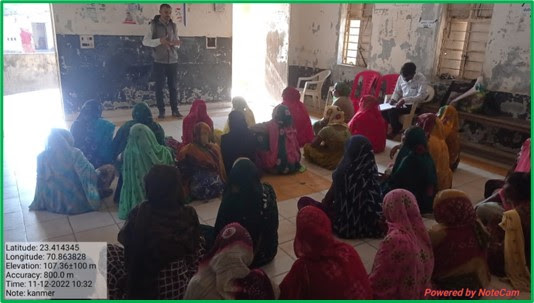
Women groups visit nursery and farms of individuals to learn successful practices of vegetable cultivation in the arid weather of Kutch. They are provided with seeds and sapling of vegetables based on their soil, water analysis, their own interest and food consumption pattern. 5 months into the programme, we see women growing vegetables and have now started consuming fresh vegetables at least once a day. Some have had excess and have started selling in and around their own area.

(From top to bottom, left to right women trained in groups, vermicomposting, soil testing and vegetable harvesting)


It is now too early to compare their health indicators with increase in their nutritional intake, but it is expected that that by the end of year this initiative will show demonstrable results. Already, women not part of the initiative are getting interested and have tried to sow vegetable seeds in the kitchen garden on their own.


The initiative is aimed to propose a new alternative to the persistent issue of nutritional health of women – especially in remote areas with poorest women in difficult geographies. Such initiatives combined with the Government’s support on the various nutrition related schemes should help to bring in sustainable change.


A short clip of one of our nutri kitchen women click here


*A quarter of women of reproductive age in India are undernourished, with a body mass index (BMI) of less than 18.5 kg/m (Source: NFHS 4 2015-16). It is well known that an undernourished mother inevitably gives birth to an undernourished baby, perpetuating an intergenerational cycle of undernutrition.”

Thursday, 26 October 2023

WIN Nutrition Approach – Community-centred and owned


Author – WIN Foundation


Background


Rural, tribal and urban slum areas face following challenges:


(i) lack of maintenance of Commons and civic services and

(ii) Poor quality of life and work.


The government, central and states, private charities and multilateral organizations including UN bodies, have, over decades, launched many schemes for social impact, many of them multiple times, repeating process and programs over years.


In spite of this the results are not satisfactory. The major reason for this is that the top down approach of most of the programs do not inculcate change in competencies, behaviour and habits. Due to this, the changes sought are not  sustained.


Community led approaches


Four key elements that affect social change are the environment, technology, social institutions, and communities. These elements are interlinked with each other.

Environment

  • With our overstretched resource usage, living in harmony with nature using appropriate technology are important for sustainable development, economic growth and


Technology

  • Combining traditional local knowledge with scientific knowledge and innovations at community level will enable development of new sustainable approaches, optimised to local needs. Indigenous knowledge is also important for the conservation of biodiversity.
  • Indigenous knowledge is also a potential source for the conservation of biodiversity.
  • People involvement in this process is essential for acceleration of change through scaling and replication.


Community ownership encourages and enables:

  • Responsibility and accountability at local levels, aided by skilling and leadership development, bringing sharp focus on local customer and community needs.
  • Adoption of innovative technology and delivery models, refined continuously over time through local trials, generating local evidence.
  • Co-operation, coordination and collaboration between the stakeholders at the community level to bring greater awareness and better habits.


Social Institutions and other organisations enable community ownership process through:

  • Creating Space for Community Ownership and leadership within communities.
  • Bring institutional resources to the table, to bring different competencies to the community participants with a strong focus on experiential learning, skilling and leadership development. For this institutions have to reorient their own staff on principles of community ownership, local entrepreneurship, and customer centricity, as a key driver for sustainable change.
  • Continuously monitor and refine process to close the gap between intention and impact.
  • Encourage community voice; speak up to make change..
  • Creating equitable and just solutions is not just people work, it’s heart work.
  • Documentation of processes and results to help replication and scaling


WIN  Foundation Nutrition projects


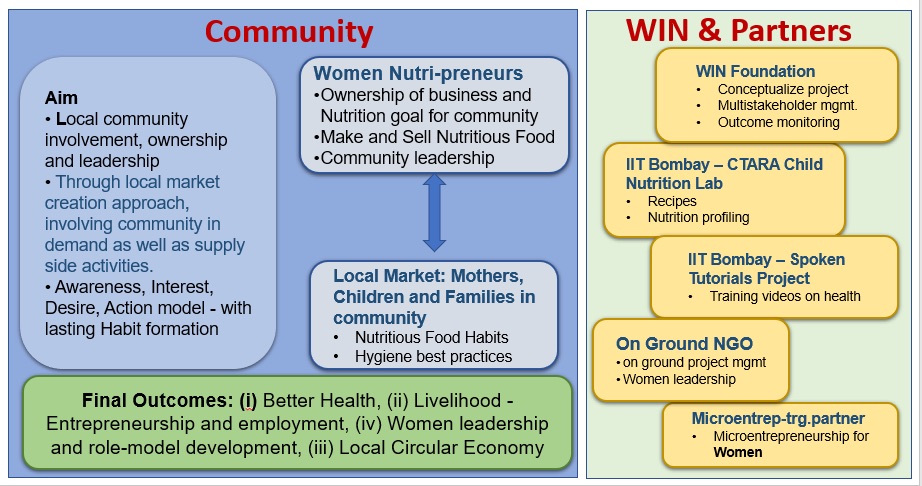
WIN Foundation has taken Community centred approach with aim for Community ownership, to the nutrition problem.


Nutrition status in most parts of the country remains challenging. In spite of several programs for improving nutrition, lack of habit formation in nutrition food habits which, has led to poor nutrition outcomes. To add to this, we also face the adverse effect of

(i) Mass input driven agriculture, leading to reduction of food diversity, a very critical requirement for balanced nutrition,

(ii) High volume processed food products, tasty but low on nutrition, which have reached remote corners of the country. This has developed vested interests in food industry.


Our approach envisions a community which takes charge of nutrition needs and overcomes above challenges.


Friday, 6 October 2023

The Twin Challenges for Maternal and Child Health in India: Iron & Proteins, and Technology driven Local Solutions


India accounts for the highest number of undernourished people in the world totalling close to 200 million. Steady improvements have been made between 2004-06 and 2018-20 with India recording one of the highest reductions in total number of undernourished in Southern Asia. Malnourishment is a multi-factorial challenge and the steady reduction in total number of malnourished individuals points to overall improvements in health practices and access to clean water and nutritious food. Nevertheless, the most profound effects of malnourishment are observed in children below 5 years and women of reproductive age. Nearly 30% children in the 0-5 year age-group are stunted while 53% women are affected by varying degree of anaemia.

The distribution of undernourishment is heterogeneous across the country. Interestingly, while the prevalence of stunting and underweight in children has decreased over the past 5 years, the total number of anaemic individuals has increased. These trends could be attributed to macro- and micronutrient intake with fewer than 1/3rd of all women consuming adequate amounts of both. Consumption of macronutrients in the form of carbohydrates and proteins is consistently below the recommended dietary allowance (RDA) levels prescribed by the Indian Council for Medical Research (ICMR). The household consumption of micronutrients in the form of vitamins and minerals such as iron ranges from inadequate to severely deficient. Iron deficiency is associated with the majority of anaemia prevalent in India. A mind-boggling 67% of children in 2019-21 had varying degrees of anaemia, an increase of 8% from 2015-16.


Advances in industrial food processing with an emphasis on “food safety”, but not nutrition, has produced an ecosystem of inexpensive processed foods. The World Health Organization (WHO) has qualified undernourishment as protein energy malnutrition, to better explain the imbalance in supply of protein and energy with the body’s demands. The consumption of disproportionately high levels of processed sugars and saturated fats has resulted in a sharp increase in obesity in children and young adults especially in urban centres. The sub-optimal levels of macro- and micronutrients in diet is ultimately associated with chronic non-communicable diseases such as hypertension, dyslipidemia and diabetes.

Notably, while the country has witnessed a systematic strengthening of policies governing food safety, nutritional security is yet to experience as much vibrancy. Considering the massive number of women and children in India who face severe macro- and micronutrient deficiencies, a case is to be made for looking beyond the simple prescription of healthy diet plans and eating habits. Innovations that allow “health foods” to be accessible for all economic segments of India are likely to address the challenges in nutrition while aligning with current global market forces. To begin with, protein and iron would be ideal core ingredients in such innovations.


It took a global pandemic to energize discussions surrounding nutritious food. People’s engagement in culinary activities and food entrepreneurship was visible throughout the pandemic-related disruptions. For some, this was a hobby that could be affordably pursued in one’s home. For many others, this emerged as a vital source of income and employment.


While food entrepreneurship during the pandemic relied heavily on innovations in logistics, an emphasis on healthy products was widely evident. The buzz around health foods during covid-19 was a reminder that ‘unhealthy foods’ are all around us, enjoying huge market share among consumers from across all geographic, demographic and economic classifications.


Over the past two decades, codification of food safety norms in the country and alignment with global standards such as in labelling of packaged foods have gradually improved consumer confidence. One example of enlightened food manufacturing is the fortification of packaged grains, cereals and oils with micronutrients such as vitamins and minerals. Further, the Indian government has announced that all rice distributed under public food security schemes will be fortified with iron and folic acid by 2024. In spite of these positive developments, two key aspects of food entrepreneurship and manufacturing need to be rejuvenated.


First, entrepreneurial efforts emerging from economically weaker sections need access to scientific and technological inputs to develop knowledge-driven products. Ventures that are commercializing cultural legacy food products may have a straightforward and assured revenue generation model but are unlikely to be competitive in nutritional value and market reach. For example, women microentrepreneurs in a low-income community preparing packaged farsan are unlikely to face challenges in product placement in their neighbourhoods. If the same group could develop a protein-rich and iron-containing farsan, they could also address the nutritional requirements of their primary consumers. In doing so, it is possible that their manufacturing and processing techniques need to be revised for  enhanced nutritional value of ingredients and avoid unsafe handling practices in their complete supply chain.

Large numbers of women in such socio-cultural contexts manage the food habits of their entire family. Training women microentrepreneurs in the art of assimilating scientific inputs is likely to amplify good health practices in their immediate families. Second, entrepreneurial efforts emerging from economically affluent sections need to be inclusive of customers from across all economic backgrounds. It is not uncommon to see a child of migrant labourers living significantly below poverty line eating a bag of purchased branded potato chips. If this kid can be happier, eating a similarly purchased bag of ‘health food’ with suitable amounts of protein and iron, it would signal a successful convergence of food safety and nutrition. Both of the above aspects require deep and pro-active engagement of food scientists and professionals. These could be further facilitated by academic and research institutions that identify challenges faced by the entrepreneurs as possibilities for collaborative problem-solving.


Food products that combine cultural culinary practices with scientific and technological inputs are likely to fulfil grassroots efforts to address prominent health challenges in the country, including the deficiency of iron and proteins among women and children. This will also generate local enterprises and a local circular economy, ensuring longterm sustainability and replicability.


Dr. Bhaskar Datta is an Associate Professor, Chemistry (jointly with Biological Engineering) at the Indian Institute of Technology, Gandhinagar, India. His group is working on developing protein and micronutrient-rich foods, in addition to other research projects in food. He can be contacted by clicking here

Friday, 4 November 2022

Addressing health and nutrition – the personalized approach to wellness

 Authors: Dr. Jamuna Prakash, Adjunct Professor, MLC University, Shillong. 

Former Professor, Food Science and Nutrition, Univ. of Mysore, Mysuru.


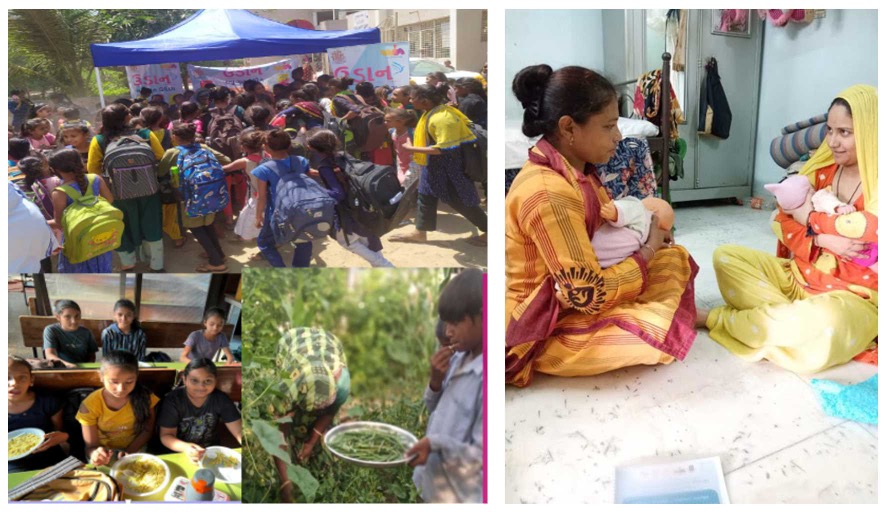
Good health is the ultimate goal of every human being and good food is one of the gateways to achieve it. Here ‘good food’ refers to nutritionally balanced, safe and healthy meals and does not mean the taste quality of food per se. Despite being an agriculture dominant nation, India suffers from varying degrees of malnutrition, seen both in adults and children alike. While there are multiple avenues to deal with the issue, the WIN Foundation is very rightly addressing it through its maternal and child health program of developing women’s entrepreneurship to promote healthy foods as well as promoting hygiene and sanitation in the community. These two issues are undoubtedly the most important in addressing malnutrition in children and women.

The recent report of the National Family Health Survey-5 points out both negative and positive aspects of health-related indicators. There has been a decline in neonatal, infant and child mortality rates, and the literacy rates have improved showing a higher percentage of both men and women passing their school education. There are more women empowerment programs and gender equality schemes. However, on the nutritional front, the scenario has been rather depressing. Iron deficiency anaemia is showing a larger and wider spread, and the improvement in growth indicators of stunting, wasting and being underweight have been exceedingly low. This calls for a higher investment and efforts for health and nutrition considering that consequences have a far-reaching effect spreading across adulthood lowering productivity and work efficiency as well as a much higher risk of non-communicable diseases in undernourished children.

Creating a lifecycle approach to nutrition through personalized interactions

The experience in the field of nutrition has shown that one approach towards improving the nutrition of the masses is through personalized interaction and counselling [apart from various ongoing programs]. This can be done using the already existing resources of health workers and wellness centres, which will be operable in the near future. The team of health workers comprises doctors, nutritionists, and other paramedics on a personalized one-to-one basis paving the way for individual attention. These counselling sessions can be on a monthly basis and can deal with the health status and nutritional problems of children, women, men and the elderly from a family. This would create a genuine lifecycle approach and will have a strong psychological impact on the family of caring. This would encourage them to follow the advice regarding healthy diets, desirable food preparation, special needs of children, the elderly or any other diseased person in the family and hygiene as well.

While malnutrition in children is just one of the problems to tackle, there are also numerous instances of lifestyle disorders across the community, which need to be prevented or managed well. These counselling sessions would deal with all the health issues of a family by way of advising them on all aspects of healthcare including self-management advice. 

The process would require the following- A family health record to be maintained with the necessary details of all family members, for example, the age, height and weight, blood pressure, general health, and medical condition along with the treatment history. A diet pattern can also be maintained based on which counselling can be done. The progress and adherence of the family regarding desirable food behaviour and proper management of diseases can be monitored very well with this, and slight deviations will be observed early. This would also bring forth the group of elderly, who are often neglected by families, and they also can be provided with necessary comfort care.

The multi-sectoral approach towards health

A point to be noted here is that health is an outcome of multiple factors and not diet alone. The counselling session will bring forth the non-nutritional issues which could be important for health such as the availability of adequate potable water for drinking or for hygiene purposes, the pollution around the houses, the social issues of drinking, poverty, food taboos, superstitions, unemployment, school dropouts, etc. While the support centre may not be able to solve all of them, it will create an understanding of the prevailing situation. 

The problem needs to be tackled with multiple angles and approaches.  For example, one of the reasons for children not responding to various nutrition supplements in attaining normal growth status is frequent episodes of gastrointestinal and respiratory infections.  Scientific evidence shows that repeated gastrointestinal infections shorten the intestinal villi thus reducing the absorption capacity, resulting in malabsorption syndrome which could be long-lasting.  A morbidity record maintained at the centre would be helpful in knowing if a particular child falls sick frequently. Now, the next step apart from administering proper treatment to the child will be of exploring the causes, is it because of low immunity, polluted water, unhygienic environments, or repeated exposure to infections? An analysis would help to deal with the causes which may not be related to nutrition directly. Once these repeated episodes of infections are arrested, a child can attain normal growth. Similarly, questions need to be asked, if the mother or caretaker is adequately informed or educated, a personalized approach would certainly help these issues.


Unhealthy foods and emerging issues of overweight and obesity

Let us now look at one more aspect of emerging health issues in women and children, that of overweight and obesity, obviously, both linked to transitioning food behaviour. A general perception of obesity is that it occurs in affluent societies or urban areas. However, the trend is changing and so-called unhealthy food is eaten across all regions, whether urban or rural. Many of our own surveys in rural areas show that ‘fast foods’ specifically sold by street vendors have gained popularity even in rural India. Undoubtedly, these are energy-rich, fat-rich sugary or fried foods with a very low content of fibre and essential vitamins and minerals [prepared mostly with refined wheat flour, hydrogenated fats, cheap oils, sugar and salt]. By far, sugar, refined flours and oils are the cheapest sources of calories and foods providing protective nutrients are expensive, [these include whole grams and dhals, milk and milk products, eggs, fish and animal foods, fruits and vegetables, nuts, etc.], hence it is easy to binge on foods which are cheap and satiate hunger, with no consideration for overall healthy nutrient density. This is indeed a very serious and complex issue to tackle as food laws cannot prohibit people from eating unhealthy foods!!! Though only advisories can be issued. Intake of such foods also increases the salt intake. While human beings are genetically programmed to like sweet taste, the taste of salt is adaptive, the more we eat, the more we like. And the taste threshold goes on increasing.  This is very well exploited by the food industry where a higher amount of added salt lures customers. Therefore, a deliberate attempt to lower salt is needed from all angles, though easier said than done. There has been a tremendous increase in online home delivery of catered foods across the country during the pandemic, which has its own plus and minus points, increasing convenience, creating employment, improving business, but also encouraging intake of unhealthy foods. The pandemic also affected the many welfare programs and school attendance of children increasing the rates of malnutrition, as children were deprived of regular mid-day meals on account of school closures. For some of the children, a mid-day school meal is the only substantial meal of the day and a source of important nutrients. 

So, the simple take-home point towards improving malnutrition is an overall continuous effort from all the stakeholders involved to secure the future of our children. Malnutrition is a silent emergency, the voice of which is very loud, but cannot be heard, and we need to act before it is too late.

Contact details of the author:

Dr.Jamuna Prakash
Email:  jampr55@hotmail.com
Profile Link: http://uni-mysore.ac.in/sites/default/files/content/jamuna_prakash_bio-data_for_web.pdf

Friday, 14 October 2022

Nutritious Food and Women Microenterprises – The Saath Experience

 Authors: Mr. Rajendra Joshi, Managing Trustee, Ms. Chinmayi Desai, Director-urban Programs and Mr. Manish Kumar Mishra-R&D Manager- Saath Charitable Trust


Food is the most important basic need for human existence and has a powerful influence on world history. Food preferences emerge in early childhood. Children in low-income urban geographies cannot resist the temptation of tasty, cheap and easily accessible packaged food/ junk food. Junk food contributes more calories than nutrients and is high in fat, sugar and salt. Continuous consumption of ready-to-eat packaged food can negatively impact growth, decay teeth, promote obesity and ultimately lead to malnutrition. Food containing low nutritional value reduces the intelligence of children, thus constraining their future learning capacity and ultimately impacting the economy negatively. At present, in India, the health and nutrition indicators of children in urban areas are as bad as those of their rural counterparts much of which can be attributed to the consumption of packaged ready-to-eat food. The urban population in India is projected to double from 410 million in 2014 to 814 million by 2050, making it imperative to address the issue urgently. Opportunities exist in the promotion of market-based interventions on nutritious food and women-led microenterprises have a great role to play in nutritious ready-to-eat food/ snack foods. The size of the snacks market in India is estimated to be worth Rs. 44,000 crores with an annual growth of 25%. As Saath has realized, the barriers to scale for nutritious food, women-led microenterprises remain – (i) Poor recognition of business opportunities; (ii) Domains like hygiene, preservation, operational efficiency and unit cost optimization require more attention; (iii) Support system of mentors and advisors need strengthening; (iv) Averseness on debt and scepticism to start out on their own; (v) Lack of ecosystem approach – NGO, MFI/ Banks and Entrepreneurs


Thus, Saath in collaboration with WIN Foundation started working towards nurturing women microenterprises on nutritious snacks. The interventions are designed on the twin strategies of (i) pull or demand creation and (ii) push or supply generation. Through this project, twenty-five women micro-entrepreneurs have been trained by Saath on product development, market research, production, marketing, customer feedback, repeat orders, team development and financial management. Trained entrepreneurs have come out with two to three nutritive products each, have clearly identified customer segments and are generating significant physical volumes, sales value, repeat orders, and profit and seeing it as a viable employment opportunity. They have started to build partnerships with sales channels and raw material supply chains. The subsequent discussions elaborate on our experiences during the entire process.

Vasna a low-income neighbourhood was chosen for the project. It is located between the old city and new Ahmedabad and is home to various communities including Marwadi, Harijan, Vanjara, Rabbari, Vankar and Darbar. These communities are largely patriarchal and women prefer home-based livelihoods. However to make both ends meet, some women have started venturing out for work as housemaids. Women are often sole breadwinners and support a family of four to five dependents often struggling to make ends meet. Hence monetary shortage is persistent and the need for women-centred income-generating activities is a priority. Therefore, Vasna was a natural choice for this project.

The concept seeding was done in group meetings with 10-15 women, where the project concept was introduced. Selection of women was also done in this group by asking questions like: “Who are interested in Cooking? What do you know about cooking? Have you worked previously in cooking at others’ homes? Can you cook something different? What can you cook which is liked by everyone? Are they interested in enterprise or in Job?” Fifteen such concept seeding meetings were conducted with around 250 women. The Saath team listed names of women who expressed interest and had commensurate skills. The shortlisted women were later called to the Vasna Saath Centre to register themselves.

Although everyone listened attentively during the concept seeding meetings, showed interest and explicitly agreed to come to the centre for registration, however, only twenty-five turned up and among them, six women quit even before the training began. The Saath team learnt that out of every four women contacted initially only one would become an active participant. Out of twenty-five women who had agreed to join the training, six women joined a similar program organized by the government in the lure of utensils and travel reimbursement. However, a majority of women decided to attend the Saath program as it had handholding services.

The technical training of dry snacks was a weeklong program with one session on life skills and motivation. Information about ingredients was shared after which the trainer demonstrated the cooking process. Thereafter participants were asked to repeat the process, to ensure effective learning. Participants are also allowed to showcase their skills in traditional food preparation in which they were confident to facilitate co-learning between group members. The training focused on nutritious food only and included limited products like Ragi ni Sukdi, Tal ni Sukdi, Khajoor roll and Nachos. Saath Team is also working on identifying new products which can be taken to scale and has a high shelf life.

Advanced business training focused on establishing the microenterprise, finalizing the product, costing, packaging, marketing, and margins along with clear product uniqueness. The process of the training included lectures followed by practical demonstrations, packing products, going to shops and making sales pitch. Also, participants were asked to prepare and try selling their own products to add to the experience.

Preparation of snacks in the advanced business training is a central group-based activity. The group consisted of three women. Raw materials were supplied by Saath and snacks were produced, packed and marketed by this group. Saath has learnt that the business must compete with regular ready-to-eat packaged food. Thus, Saath is working to improve the retailer margins, increase shelf life, decrease product price, and increase taste and visual appeal. As the products are reaching the market Saath is connecting to the market for regular feedback on competition practices, cost structure, price spread, customer segments and preferences.

Training on Whatsapp Business Catalogue

This training discussed the benefits of the Whatsapp business App and trained participants on the process of creating a profile and catalogue. It included perfecting the art of clicking a food picture, typing messages, replies and sending links. This training spanned over nine days and is conducted twice weekly. The initial training was given by a third-party expert who understands the context of women-led food microenterprises. This training was conducted online with the objective to train the Saath team also. The Saath team thereafter closely worked with women entrepreneurs to develop the catalogues. These sessions were organized at the centre. It was essential that participants have smartphones and dual-sim activated. Saath also played a significant role in mobilizing smartphones for entrepreneurs.

Present Impact of the Programme:

Eight women have started business since May 2022 generating gross revenue of Rs. 1.11 Lakh and profit of Rs. 0.35 Lakh. Twenty participants are in the process to start a business, six participants have been linked to a job and two women have left the program. Women entrepreneurs require assistance in getting orders and a subsidized loan of around Rs. 50,000 to strengthen their enterprise. To create a physical presence in the mind of customers, Saath is also planning to participate in food festivals which will also go a long way to establishing the business.

Thoughts for the Future:

As discussed, the idea of nutritious snacks is timely. However, it requires patience, hard work and regular investment in market research, technology and standardizing operational processes. Post-COVID-19 the upper middle class is sensitized towards such products and is an easy market. However, reaching these nutritious products to low-income households will require addressing issues of affordability and ease of access for the population who is under the constant squeeze of time and money.

Source: https://fmtmagazine.in/overview-of-snacks-market-in-india/

____________________________________________________________________________________________

If you are keen to introduce micro-entrepreneurship training in your area or village for local communities and want to know more about our work, feel free to reach out to us at info@winfoundations.org

Monday, 19 September 2022

Combating malnutrition through nutrient delivery techniques

 Authors: Prof. Amit Arora, Associate Professor, CTARA, Indian Institute of Technology, Bombay and

Ms. Nisha Pujari, Research Scholar, CTARA, Indian Institute of Technology, Bombay


“The doctors of the future will no longer treat the human frame with drugs, but rather will cure and prevent disease with nutrition.” – Thomas Edison

Good nutrition is an essential driver of sustainable development because it plays a critical role in brain development, generates broad-based economic growth, and signals the fulfilment of people’s rights to food and good health.  Malnutrition refers to deficiencies, excesses, or imbalances in a person’s intake of energy and/or nutrients (WHO, 2019).

Micronutrients are essential elements required in small quantities throughout our life to orchestrate a range of physical and mental functions to maintain health. The consequences of their absence are severe and lead to micronutrient malnourishment (CDC, 2019). According to the national data for India (NFHS-5), the condition of wasting and micronutrient malnutrition has worsened in the last few years. The most widespread and recognized micronutrient deficiencies are of iron, zinc, vitamin A, iodine, vitamin D, and folate, often occurring concurrently in the sample population (Suchdev, 2017). As per NFHS 5, the percentage of total children aged 6-23 months receiving an adequate diet is very low (~11.3%). Anaemic children aged between 6 and 59 months have also gone up significantly from 58.6% to 67.1%. Likewise, 59 out of 100  women aged 15-19 years are anaemic.

Many strategies have been suggested to combat micronutrient deficiencies, such as exclusive breastfeeding for the first 6 months, controlling parasitic infections, food fortification, food diversification and nutritional supplementation. Food fortification is considered as a relevant and potent intervention by the authorities to reduce the burden of micronutrient deficiencies among children and mothers. It involves adding micronutrients to processed foods, which increases their concentration and thus fulfilling dietary requirements.

The selection of nutrients is based on evidence of low intakes in a population and/or widespread nutrient deficiencies which vary between countries and populations. Fortification programs, therefore, need to be carefully designed to meet the nutrient needs of a given population. Food processing has enormous potential to both increase dietary-diversity and enhance concentrations of micronutrients in commonly consumed foods. Technologists and scientists are making efforts in employing food‐to‐food fortification, by adding micronutrient‐dense foods to food recipes at household as well as commercial level to increase their micronutrient quality. 

Food-based strategies to combat micronutrient malnutrition

Evidence-based interventions for malnutrition have been well studied and can be categorized as nutrition-specific (address immediate causes, often at the individual level) or nutrition-sensitive (address underlying causes, often at the community level). Policy and programme makers incorporate food-based strategies such as dietary diversification, food fortification and supplementation, along with other additional measures on food safety, nutrition education and public health. These approaches should be regarded as complementary, with their relative importance depending on local conditions and local needs. Food-based strategies are discussed as follows:

  1. Dietary Diversity
    Increasing dietary diversity is a preferred way of improving the nutrition of a population because it has the potential to improve the simultaneous intake of many food constituents including micronutrients. Diverse diets have been reported to provide vitamins and minerals that prevent ‘hidden hunger’ and micronutrient deficiency diseases (Dulal et al., 2017; Jones et al., 2014; Nithya & Bhavani, 2018; Rosenberg et al., 2018). Increasing dietary diversity means increasing the consumption quantity and range of micronutrient-rich foods. In practice, this requires implementation programmes to improve the availability and consumption of different micronutrient-rich foods (such as animal products, fruits and vegetables) in adequate quantities, especially among those who are at risk or vulnerable to micronutrient malnutrition (Nithya & Bhavani, 2018). However, increasing dietary diversity on a sustained basis has its challenges. One is the introduction of behavioural change through counselling about different foods and their nutritional benefits. Lack of resources for producing and purchasing higher quality foods can sometimes present a barrier to achieving greater dietary diversity, especially in the case of poorer populations (L. Allen et al., 2006)
  2. Supplementation
    Supplementation is the term used to describe the provision of relatively large doses of micronutrients, usually in the form of pills, capsules or syrups. Micronutrient supplements during pregnancy can act as a precautionary measure for reducing morbidity and mortality in infants and also in treating maternal complications during pregnancy (Lawn et al., 2014). In our country, supplementation programmes are run to provide iron and folic acid to pregnant women, and vitamin A to infants, children under 5 years of age and postpartum women. Recently, the Ministry of Health and Family Welfare (MoHFW) has launched the Weekly Iron and Folic Acid Supplementation Programme to meet the challenge of the high prevalence and incidence of anaemia amongst adolescent girls and boys.
    Supplementation usually requires the procurement of micronutrients in a relatively expensive pre-packaged form, an effective distribution system and a high degree of consumer compliance (L. Allen et al., 2006). Some adverse effects observed with high-dose supplements and logistical and human-resource constraints may result in non-compliance and the long-term sustainability of such programmes. In such cases, mass fortification of staple foods becomes an important option to combat vitamin and mineral deficiencies. There are fewer concerns related to mass food fortification and it can be a complementary intervention to supplementation for efforts to decrease vitamin and mineral deficiencies (Peña-Rosas et al., 2019).
  3. Food fortification
    Food fortification involves adding micronutrients to processed foods. It describes the improvement of essential micronutrient content in foods to enhance the nutritional and health benefits with minimal risk to health. In many situations, this strategy can lead to relatively rapid improvements in the micronutrient status of a population, and at a reasonable cost, especially if an advantage can be taken of existing technology and local distribution networks (L. Allen et al., 2006).  There have been studies with single (Dean et al., 2020), dual (Jannasch et al., 2020), and multiple micronutrient fortification, including zinc, iron, copper, selenium, vitamin A, vitamin B complexes, vitamin C and vitamin E (Das et al., 2019). Minerals are fortified in their salt forms such as ferrous sulphate, ferrous gluconate, ferrous lactate, zinc oxide, zinc sulphate, zinc acetate, zinc chloride, calcium carbonate, calcium phosphate, tri-calcium citrate, calcium lactate, calcium lactate gluconate, calcium gluconate, etc. (Gharibzahedi & Jafari, 2017). Considering the regional diversity in terms of food availability, fortification should be done in a customized manner to ensure compliance. In addition, fortificants should be low in cost with good absorption, and well accepted by the target population in terms of taste and organoleptic properties. In most cases, it is preferable to use food vehicles that are centrally processed and to have the support of the food industry (Chadare et al., 2019).  However, of these three methods (dietary diversity, food fortification and supplementation), programmes that deliver micronutrient supplements often see a quick improvement in the micronutrient status of the targeted population. Food fortification tends to have a less immediate but nevertheless a much wider and more sustained impact. Although increasing dietary diversity is generally regarded as the most desirable and sustainable option, it takes the longest to implement (L. Allen et al., 2006; Gharibzahedi & Jafari, 2017).

Food-to-Food fortification

Food-to-food fortification is a technique of fortifying food products with one or more food ingredient(s), thus making nutrient-dense food. The incorporation of nutritious ingredients calls for modification in the original food recipe, creating a new product with higher nutritional benefits. Such fortification techniques offer a variety of tastes and textures that are unique along with enhanced protein, vitamin, fibre and/or mineral contents and beneficial effects on its quality (Platel & Srinivasan, 2016). Cumin, moringa and sesame-fortified bread and soy-butter, moringa and cumin-fortified salty biscuits demonstrated improved total content and bio-accessible minerals. Its inclusion in food products could be a useful alternative or complement conventional fortification. This will help to improve the mineral status of deficient populations. Food‐to‐food fortification often uses locally available foods to enhance the nutrient intake of the population. This approach consists of selecting and associating foods in such a way as to optimize the bioavailability of useful micronutrients to consumers.

IIT Bombay’s intervention

The Nutrition Groups at IIT Bombay emphasises the development of food-based nutrient-rich, safe, affordable and ready-to-use formulations. Achieving optimal nutrition through the intake of healthy foods has the capability to optimise the physiological functions of each human while ensuring maximum well‐being. The key variable of this research is the presence of macro and micronutrients in sufficient quantity without compromising on quality parameters. Our research team at IIT Bombay is working on developing products with the capability to deliver the full range of micronutrients mostly through the natural product route, avoiding the chemical route. Our aim is also to create local capacity among women’s SHGs or social start-ups for decentralized production with appropriate Quality Control and Quality Assurance protocols. Given the priority accorded to health and nutrition projects in CSR funding, support to the food products lab can go a long way in addressing the problem of hidden hunger among malnourished children and women and benefit the programme implementation in aspirational districts

Some of the products which have been developed in CTARA are – 

(i)    Egg equivalent Idli and nutrition bar  
A completely vegetarian formulation was developed in the form of nutritious ‘Idlis’ and bars that can act as nutrition replacements provided by non-vegetarian foods such as eggs. The product’s theoretical nutrient profiling shows that 2 units of Idli or 1 standard Nutri bar are sufficient to give equivalent nutrition to an Egg. 


(ii)    Magic add-on dry powder 
This powder can be added to any given homemade recipe (e.g. Puree, daliya, Khichdi, dal-rice etc.) and as a result, the child will get a majority of the essential nutrients required for optimal growth and development. The major advantage here is gaining nutrient adequacy without changing dietary habits or preferences. Financial calculations for the developed formulation (DF) suggest that affordability is achievable at a mass-product scale to achieve reasonable dissemination and ultimately greater impact on children.

Other examples include Healthy alternatives to commercially available Ready to Use Therapeutic Foods (RUTF)

Challenges of food fortification
 
Theoretically, the fortification techniques aim at the efficient lowering of micronutrient malnutrition. These, however, still do not reflect in the micronutrient status of individuals based on reports. The following are some challenges faced during the choice and implementation of food fortification strategies:

  1. a)     Cost 
    There is a lack of simple and affordable technology that can use stable and bioavailable nutrients while maintaining the commonly preferred taste and appearance of foods. Increased food prices remain an issue affecting the food security and livelihoods of the needy. Despite various international aid, basic foods are still not accessible because they are unaffordable to vulnerable groups who often grow and process their own staple foods. Major challenges to local‐scale fortification programs include the initial cost of the mixing equipment, the price of the premix, achieving and maintaining an adequate standard of quality control, and sustaining monitoring and distribution systems.
  2. b)     Concerns about absorption and bioavailability
    Both the density and bioavailability of micronutrients in the diet are important for achieving optimal micronutrient status. Iron, zinc, and calcium can interact with each other to inhibit their respective absorption. For e.g. The ideal iron fortificant is highly soluble in water, similar to ferrous sulphate for the iron to be accessible for intestinal absorption. At the same time, the iron needs to be in a form that prevents it from interacting with dietary compounds that can induce undesirable organoleptic changes and reduce iron bioavailability by the formation of insoluble complexes. Fat-soluble vitamins such as vitamins A and E are poorly dispersible in water, making it difficult to incorporate them in beverages and foods with high moisture content.

Obtaining higher concentrations of micronutrients from food alone, to meet high RDA for adolescent girls and pregnant women is challenging. Processing techniques may lower anti-nutrients but at the same time, it may increase the risk of losses and degradation of minerals and vitamins, respectively.

c)     Toxicity

Toxicity may occur as a combined effect of more than one micronutrient. Increased instances of anaemia have been found in individuals with high levels of folate and low level of vitamin B12 (Rosenberg et al., 2018). Acute iron toxicity is usually seen in children with accidental ingestion of iron-containing syrups. Similarly, for zinc, folic acid, and selenium there are available documents with either reports on toxicity or regulation on the maximum limit (Food Safety and Standards Authority of India, 2019). Usual intakes below the upper limit have a low risk of adverse effects. Some nutrients do not have an upper limit because they are assumed to be safe at any level of intake (e.g., vitamin B12).

The goal of any national food fortification policy is to prevent nutritional deficiencies by bridging the gap between the requirement and availability of nutrients. In exceptional cases of widespread and severe deficiencies, the fortification can be up to 100% of the RDA. In practice, the level of fortification is about 15 to 30 % of RDA (computed per 600 calories of processed food) as per the regulations in India (ICMR, 2018). When these precautions are followed, food fortification carries a minimal risk of chronic toxicity.

  1. d)    Anti-nutritional factors
    Poor dietary diversity and dependence on cereal-based diets are common in low- and middle-income countries. Cereals, in addition to being poor sources of vitamins and minerals, also contain high quantities of other dietary compounds, such as phytates, which decrease the absorption of certain micronutrients, often called ‘anti-nutrients’ (Graham 2001). One of the most important concerns in the processing of mineral-rich foods is the formation of strong complexes between bivalence elements (e.g., Ca2+, Mg2+, Zn2+, Fe2+, Cu2+), and phytate, oxalates, fibre, and compounds of tannin and lectin (Shubham et al., 2020). For instance, iron and zinc absorption is significantly inhibited by phytic acid, present in cereals and other grains; polyphenols, contained in red wine and chocolate; or calcium, abundant in dairy products (Peña-Rosas et al., 2019). 

    Crop Diversity and Nutrition Security

    To be able to reach the overarching goal of nutrition security through improved dietary diversity scores of children and mothers, access to high-quality and diverse raw materials has to be ensured. Crop diversity at affordable and scalable capacity would be central to the food-to-food fortification strategy. India is one of the largest countries in the world has to ensure self-sufficiency in food. The government’s initiatives to increase the production of rice, wheat, pulses, and other crops have brought India to a very secure condition in terms of calorie sufficiency as a whole. For example, rice alone contributes to 40% of total grain production in India followed by wheat (~34% contribution).

India is blessed with hundreds of highly nutritive indigenous crops which are popular in many regions. However, in the past six decades, India has witnessed a decrease in the area under such crops.

A classic example is the production volume decline in the variety of millets over the last few decades. Since there is no minimum support price for such crops, the generation of demand for such crops based food products to improve regional nutrition security would help farmers in realising better prices. Of course, this would entail partnerships with local grassroots organisations to build a sustained momentum to establish a strong value chain.  Safeguarding food and nutrition security through the promotion of diverse crop production systems should be looked at by policymakers more closely.

Conclusion 

Micronutrient malnutrition is a major impediment to socio-economic development. Vitamins and minerals have very different stability and bioavailability in the food matrix. Therefore, the development of a fortification technology that makes them bioavailable and more compatible with the food vehicle would be crucial.  To quantify the size of the gap between usual intakes and requirements in a population group, the distribution of usual intakes by individuals in the population groups of concern (e.g., young children or women of reproductive age, low socioeconomic status) should be compared to the average requirement. A concerted effort is needed for the development of ready-to-consume food products rich in multiple micronutrients, addressing food accessibility and affordability issues, while enhancing bioavailability and forming efficient food synergies. 

“Those who think they have no time for healthy eating will sooner or later have to find time for illness.” – Edward Stanley

REFERENCES: CLICK HERE

Contact author: Prof. Amit Arora
Email: aarora@iitb.ac.in 
Profile link –  https://sites.google.com/site/personalwebpageamitarora/
Friday, 11 June 2021

Training of Trainers – MATERNAL, INFANT AND YOUNG CHILD NUTRITION

 India is home to the largest number of hungry people in the world. The Global Hunger Index (GHI) 2018 ranks India at 103 out of 119 countries. Under recently released NHFS 5, 

A few important findings in the recently released NFHS 5 results illustrate this strongly:

  1. Increased % Stunting among children, in 13 out of 22 states and UTs surveyed.
  2. Increased % Wasting among children below 5, in 12 out of 22 states and UTs surveyed.
  3. Over 50% of women are anaemic.

As traditional Supply based programs have shown inadequate results, we need to look at it from Demand perspective – to create strong awareness and demand or Pull for nutritious food from mothers and communities.

Opportunity:

The 1,000 days between a woman’s pregnancy and her child’s 2nd birthday offer a unique window of opportunity to shape healthier and more prosperous futures. The right nutrition during this 1000-day window can have a profound impact on a child’s ability to grow, learn, and rise out of poverty. It can also shape a society’s long-term health, stability, and prosperity. 

  • During pregnancy, under-nutrition can have a devastating impact on the health if the mother and healthy growth and development of a child. 
  • Babies who are malnourished in the womb or in first two years of life have a higher risk of dying in infancy and are more likely to face lifelong cognitive and physical deficits and chronic health problems. 
  • Giving mother focused and continuous counselling during both pre and post child birth, through well trained and motivated field health workers:
    • Prebirth period: counselling for nutrition, prenatal vitamins,  appropriate intake of calories during pregnancy can halt the onset of malnutrition right from the womb. 
    • Post childbirth: counseling on breast feeding skills and nutrients-dense complementary feeding post 6 months, educating her on importance of vaccination, hygiene and sanitation.

By focusing on above, mothers and family members are empowered to seek healthy food and hygiene practices for themselves and the young babies. This will also create a strong pull or demand for healthy food items or ingredients as well as better hygiene practices.

Thus investing in better nutrition in the 1000-day window will help families, communities, and countries break the cycle of poverty. 

Long Term Goal of Training

To work towards the WHO Sustainable Development Goals targets 2025, and to improve

maternal, infant and young child nutrition by capacitating healthcare workers at the grassroots to

achieve:

  • 40% reduction in the number of children under 5 who are stunted
  • 50% reduction in anemia in women of reproductive age
  • 30% reduction in low birth weight
  • No increase in childhood obesity
  • Increase the rate of exclusive breast feeding in the first 6 months to at least 50%
  • Reduce and maintain childhood wasting to less than 5%

Overall Training Objective

The programme aims to:

  • To empower Filed Health workers as master trainers with the technical knowledge of Infant & Young Child Nutrition & counselling techniques, including mother’s nutrition, breast feeding, and supplementary feeding after 6 months of birth.
  •  To make them confident to impart the same training to their colleagues and to caregivers of young infant and children.
  • To help caregivers to help their children to survive and thrive, so that they reach their

physical and intellectual potential, by improving their knowledge of health, hygiene and nutrition and child development.

  • To reduce the incidence of malnutrition through regular data collection on child growth, prevention, raise alters for early detection and treatment; thereby reducing the incidence of stunting, wasting and associated ill health.

Training Methodology and Content:

SMDT has developed  “First 1000 Days” Training of the Trainers (‘TOT”) module tailored to the Health Care workers. The training approach is based on the principles of Skill development in breast feeding and complementary feeding counselling as well as nutrition Counselling in pregnant and lactating mothers. In-depth learning of the critical window period, pregnancy and nutrition and its role in the growth and Prevention of disease in a child is included. This comprehensive knowledge of the science of breast-feeding and complementary foods empowers the participants to deliver evidence-based dietary guidelines to tackle malnutrition at every stage of the first 1000 days of a child and beyond, and subsequently track growth of children at regular intervals. An interactive Training approach involves hands-on practicals to prepare them to impart high quality training to their co-workers as well as their beneficiaries. The module employs a variety of training methods, including demonstrations, discussions, case studies, critical thinking, team building, drama, role-play and problem solving. Participants are encouraged towards inquiry-based learning and sharing of experiences. The focus is on behavior change communication training, so that they feel empowered to convince caretakers to adopt the latest evidence-based advice. 

Learning Materials

Extensive pictorial and easy to use learning materials includes printed large format guides, charts and easy to use videos. These materials are useful for: .

  1. Learning by Health workers / Master Trainers during the training, and to revise learning
  2. Use same materials to counsel mothers on regular basis.
  3. Videos are available to view or download which mothers can view by themselves later.

Topics covered during trainings are:

  1. Science of nutrition
  2. Importance of the first 1000 days 
  3. Essential nutrition action (ENA)
  4. Counselling techniques for behavior change
  5. Pregnancy support counselling on health and nutrition
  6. Breast crawl
  7. Breast feeding technique 
  8. Breast feeding difficulties
  9. Breast conditions
  10. Breast feeding counselling techniques
  11. Not enough milk: usual scenario
  12. New-born care
  13. Minor illness of new-born/young child
  14. Guideline of complementary feedings
  15. Foods rich in minerals and vitamins, and their recipes
  16. Nutrition guidelines in pregnancy and for lactating mothers
  17. Behaviour issues of children during meals
  18. Safe preparation of meals and importance of good sanitation
  19. Myths busting
  20. Growth charts
  21. Growth monitoring and how to pick up if growth falters

Benefits/Anticipated Outcomes

  • Empowerment of the whole community to promote and maintain health, through understanding the importance of early nutrition and hygiene practices  for infant and young child nutrition.
  • Evidence-based skill building of breast feeding and appropriate complementary feeding, thereby preventing devastating acute as well chronic malnutrition in children.
  • Understanding the techniques of breast feeding positioning and latching, thereby improving the weight and length gain in the baby.
  • Understanding the technicalities of beast crawl and importance of colostrums, hence initiating breast-feeding within half hour of birth.
  • Increased demand for nutritious food and food ingredient, reduced consumption of junk food and empty calories, thereby improving both short and long-term health outcomes.
  • With better nutrition, children will be more likely to reach their physical and intellectual potential.
  • Understanding the importance of eating traditional foods and recipes not only for pregnant and lactating mothers, but also for children starting from 6 months of age.
  • Knowledge of cooking techniques, which increases nutrient content as well as digestibility of food preparations.
  •  Understanding the behaviour issues of children in relation to food and managing them effectively and confidently.
  •  Understanding science- and evidence-based feeding practices to reduce myths and doubts.
  • Make this knowledge and practices owned by community, to improve health and nutrition of the children and others, and pass on this knowledge for future generations.

If you are keen to introduce Mother and Infant Child Nutrition training in your area or village for field health workers, and thus contribute towards fighting malnutrition, and want to know more about the above training, feel free to reach out to us at info@winfoundations.org

Food Safety for Nutrition Entrepreneurs

  Food Safety for Nutrition Entrepreneurs   Dr. Bhaskar Datta,Associate Professor, Chemistry  (Jointly with Biological Sciences and Engineer...