Wednesday, 12 April 2023

Experiences of Samerth Trust – a grassroot organisation in promoting Micro Entrepreneurs

Author: Ms. Gazala Paul, Managing Trustee, Samerth Charitable Trust


Imagination is the beginning of creation

Background
It is estimated that well over 260 million people, out of India’s population of over 1 billion, are living below the national poverty line. It is also projected that out of these poor households, approximately 20 per cent have access to credit through formal channels and even fewer have undertaken formal or informal financial or business training.

Women comprise half of India’s human resources and are key agents of sustainable development. The contribution of women and their role in the family as well as in the economic development and social transformation of the country is pivotal. Women are also representing an ever-increasing percentage of the total marginal or informal workers in the country. There are multiple ways in which the socialized skills of women can be turned into entrepreneurial initiatives.

It is especially true in rural and semi-urban areas with scarce industries or industries which inherently are hostile towards women due to the nature of work – like mining, where micro-enterprise rooted in the needs of the local area present as one of the most viable options to become financially independent.

Samerth Trust – an introduction
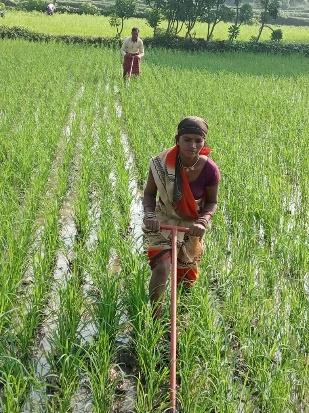
Samerth Trust initiated its operations in the drought-prone region of Rapar, Kutch (Gujarat) in early 2000 based on the poor human development index of the area. Our interventions began by providing potable water through participatory groundwater management and later as villages became self-sufficient in water, livelihood became their biggest focus in order to avoid distress migration. With no industries in the area, the only livelihood options are rooted in the local economy including agriculture and Animal Husbandry.  In Rapar with a population of over 2 lakh people, even today one cannot find ATMs or banks for 100 km at a stretch. Samerth started supporting men and women from marginalized communities on their entrepreneurial aspirations and today has a broad base of more than 300 individuals who have been able to successfully start and sustain local businesses.

Samerth later expanded to Ahmedabad (Gujarat) and then Chhattisgarh working with communities who are marginalized and come from low-income backgrounds. In Chhattisgarh, the focus has been tribal communities and in the urban and semi-urban areas of the Ahmedabad district, it was migrant and vulnerable groups. We started working in Ahmedabad & Chhattisgarh on education and livelihood issues. Currently, we reach out to more than 70,000 families directly through various interventions. In both these areas, we have supported communities’ initiate enterprises – especially women through special training and support and today we reach out to more than 1000 entrepreneurs in both these regions.
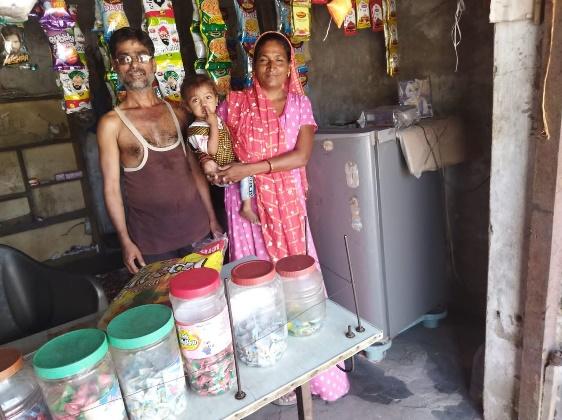
In all three regions, in Rapar due to sheer distance and lack of administrative support, in Chhattisgarh as the focus are the PVTGs – Particularly Vulnerable Tribal Groups living in hilly forest regions with poor accessibility, and in Ahmedabad marginalised communities of western Ahmedabad as well as women in Sanand face a great barrier in accessing formal sources of loan like banks, and still fall prey to private players who provide loan at exorbitant rates. Samerth works with more than 48 micro-entrepreneurs in Ahmedabad, in an urban and rural areas, supporting small shops or helping establish their street businesses on carts, women entrepreneurs to set up food businesses etc.  In areas like Kutch and Chhattisgarh, Samerth has been battling against some of the most challenging living conditions- extreme climate, deforestation, and soil depletion that often gets exacerbated by unpredictable natural calamities.  In Kutch, in the desert area surrounded by big and small rann where frequent droughts, water scarcity and salinity in the groundwater overpowers everything the support for setting up small enterprises creates significant impacts and becomes key to alleviating poverty. Samerth has worked with 283 families for dairy/animal husbandry, setting up small businesses, auto services, higher education, and agriculture activities in the Rapar block of Kutch. We also provide technical and training assistance for setting up vermicomposting, biogas installation of solar pumps, livestock promotion and dairy business.


In Kwardha district of CG – Samerth has promoted 665 enterprises on pisciculture, poultry farming, NTFP collection and marketing as well as farm-based livelihoods by linking them with available forest and government schemes on technical training, accessing loans etc.
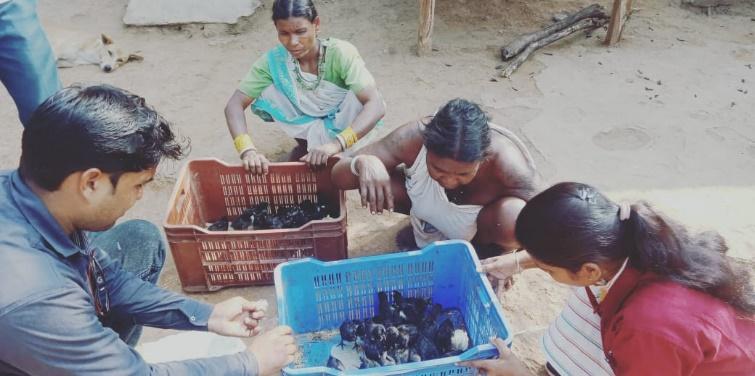
 

Thus, more than 1000 micro-entrepreneurs are handheld and supported on a regular basis with financial support, business strategy as well as market linkage. Samerth overall vision is to help people get out of poverty and to pursue this goal we have been encouraging social business. The idea is to create products or services that provide social benefits.

In Samerth’s experience, rural and semi-urban micro-entrepreneurs do not readily receive the training and support systems that facilitate the upgrading of skills as well as the general understanding of organising and managing successful businesses. The transition from homemaker to sophisticated entrepreneur is no small challenge, however, women across India are increasingly showing an interest in economic independence.
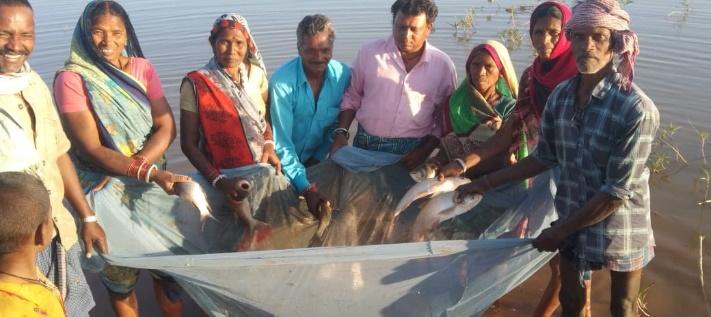
 

Samerth’s support the microentrepreneurs stresses encompassing the skills in a way that extends beyond financial support to those of creating market linkages.

Each cluster of activities provided a learning experience that has helped to shape the concept of social business/micro-enterprises.
 
Our learnings of the last decade of promoting micro-entrepreneurs

  1. Only providing microfinance support is not enough. Samerth’s experience of working in some of the poorest areas has highlighted that in many instances, providing finance to low-income communities does not effectively reduce poverty levels. More comprehensive services are required to enable them to benefit from financial inclusion. Constant hand-holding in the initial years and support in market linkages is the key for any micro-enterprise to not only survive but thrive. The enterprise must be prepared to compete with the market. It must provide high-quality goods and services, and provide excellent value for the prices it charges.
  2. Building a multi-partnership model benefits all. Partnering with multi-sector organizations to offer training and business counselling on enterprise feasibility, Samerth worked towards strengthening collectives and creating market linkages and financial linkages via banks.
  3. Capacitating the entrepreneur is the key. Wherever possible, formal capacity-building micro-enterprise development training is undertaken. These training are delivered in local, vernacular languages and through contextually relevant methods, with content derived from the region. This training is crucial as the world is changing faster, particularly in the realms of economic development and technology.
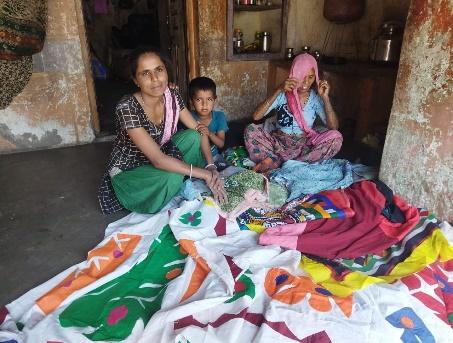
  4. 4. Women-led enterprises lead to many other changes in society. Finally, micro-enterprises headed by women are important indicators in demonstrating overall and holistic economic development, which also incorporates social elements such as the promotion of gender grievance and redressal forums, and an awareness of health and physical wellbeing as an essential aspect of both maintaining productive livelihood activities and reducing the financial burden on individuals and families alike.
  5. Role of Banks for Financial Inclusion: We must not overlook the fact, however, that strong support for credit through formal banks is crucial.  The vibrant micro-enterprise will further blossom with the pro-active involvement of nationalised and private sector Banks and credit institutions.  It is only with the strengthening of these institutions, that the promotion of micro-entrepreneurs can happen and spur economic growth.

Highlighting here is a case study of our women entrepreneurs from Sanand in Gujarat. This programme is supported by WIN Foundation.

Inspiring Micro Enterprise Innovation: Asha Poshak Nashto (Asha Nutritive Snacks)
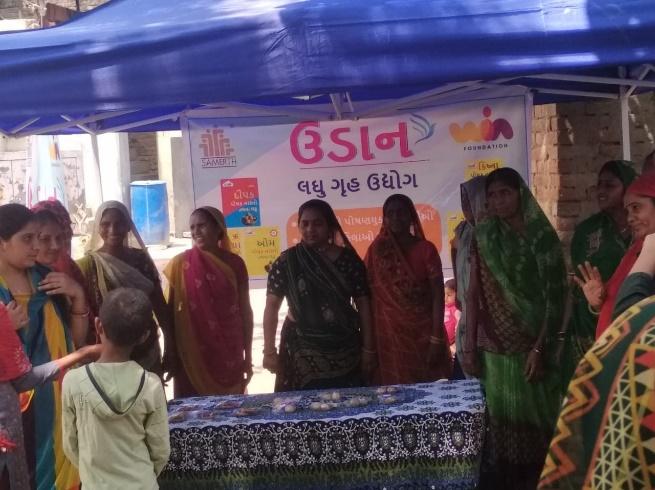
 

Samerth has been working in five villages of Sanand since 2019. Sanand was a small sleepy town in the Ahmedabad district, that shot to prominence after the Tata Nano factory relocated from West Bengal to Sanand. After Nano, many other ancillary companies came to Sanand and from an agricultural zone, it became an industrial zone. Overnight the land prices shot up and big farmers became rich. The poor farmers with small land holdings became factory workers. Though there were industries, the social dynamics did not change, women were still expected to cover their faces, were not allowed to carry smartphones, girls were not allowed to study and most menial jobs were delegated to women.

Samerth had been working in the government schools of the area on enhancing the quality of education and nutrition had been one of the focus areas. Our team was also working with women to form Self Help Groups, save regularly, come together on a platform etc. It was in this situation that the pandemic struck and many factory workers lost their jobs. With no income and poor skills, it became difficult for families to sustain themselves. It is in these circumstances that the WIN Foundation training on nutri entrepreneurs was initiated with our self-help groups. The model was simple – women to be trained in microenterprise development, from product development to costing to packaging to the market linkage, handheld through the process. The women were also trained in nutrition, understanding the needs of their bodies, especially during times of change (adolescent – onset of the menstrual cycle) Pregnancy, and menopause combined with the nutritive content of our day-to-day food and how to match the needs to the content. This gave them an overall perspective on the foods -especially traditional ones that they have been traditionally consuming across generations. The training also helped them gain insight into the nutritional needs of a growing child and based on this understanding their product for enterprise took shape.
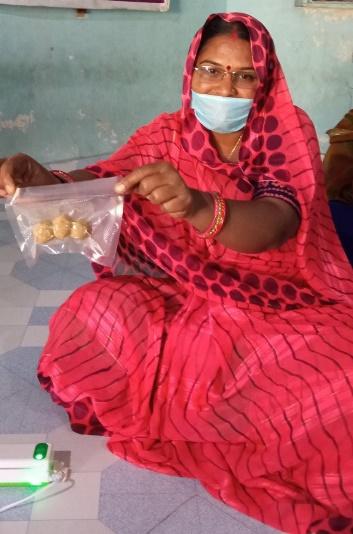

The idea was to make traditional sweet and savoury products with nutritive content which children and adults can eat instead of ready-to-eat packaged food with zero nutritional value in addition to the harm it causes to the environment with the packaging.  It was a win–win for both, women getting an entrepreneurial product, which primarily caters to their own communities. Due to its proximity to the city and industrial belt, there were many other avenues for the products too.  The micro-enterprise development training conducted by Mr Nikesh Ingle was a robust program of theoretical concepts that were delivered with practical exercises. It required every trainee to visit a local marketplace during the training. This provided an important initial exposure to the environments in which they will be conducting business and a valuable insight into aspects of operation such as local competition, typical footfalls, demand and market opportunities, customer buying capacities etc. Such experience also contributes to building a greater preparedness for executing effective enterprise plans. Furthermore, constant handholding gave them further encouragement to continue with their venture. This also includes bringing the technical aspect in current times – a WhatsApp business training that was held online for about 16 hours throughout the month. This training helped entrepreneurs gain confidence that their products and services can reach a larger audience without spending on marketing.

The product was of high-quality nutritious food and also served low-income groups, especially children. We are providing food to daycare centres with intellectually challenged children and young adults.  The products were competitive price-wise as they didn’t require costly packaging or advertisement.
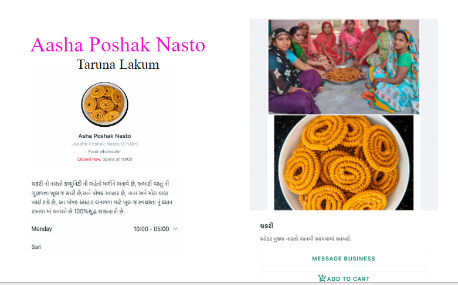
It has been early days since the women started actively producing and selling their products and they have great responses within and outside the community. There is certainly hope that with the right support, these women will only march stronger ahead. 


I certainly believe that there is huge scope to support the vulnerable and marginalised with business development training along with micro-credit to encourage them to become micro-entrepreneurs in their own right.  We need to think strategically and analyse the potential role of communities for growth.  The whole idea is to put our minds to it and create what we want by providing a fair chance to unleased the community’s energy and creativity.   I believe that combined with technology, creating local solutions with global markets is the future.

Moreover, establishing financial institutions for rural areas is the beginning. Banking penetration, access to banking services, and use of banking services significantly influence financial Stability for women entrepreneurs living in difficult areas.

Sunday, 20 November 2022

aatmaNEERbharta – A Journey towards Water Sustainability


Authors: Mr Setu Shah, Founder, Sujalaam, www.sujalaam.com


INTRODUCTION TO THE CONCEPT OF SUSTAINABILITY

What is considered “sustainable” in one location may be a challenge to sustainability elsewhere. Sustainability is a concept that describes the dynamic condition of complex systems, particularly the biosphere of Earth and the human socioeconomic systems within it. It reflects both our fundamental values and our knowledge of nature and life on Earth.

Sustainable water supply is a component of integrated water resource management, the practice of bringing together multiple viewpoints to determine how water should best be managed. Sustainable water systems should provide adequate water quantity and appropriate water quality for a given need, without compromising the future ability to provide this capacity and quality.

It is clear that because water is essential to all life, water resources management, using the principles of sustainable development, will be essential for achieving sustainability

RAIN RICH INDIA

India is extremely fortunate to receive 120 cm rainfall annually against the world average of 80 cm which is the maximum rain per sq. mt. in the world. It’s even said that our country will get submerged in 3 feet of water. Yet ironically, we are the 13th Most water-stressed country in the world. India’s water crisis is often attributed to a lack of holistic planning, increased privatization, industrial and human waste, and corruption. In addition, water scarcity in India is expected to worsen as NITI Aayog predicts that by 2030 – 40% of the population will have no access to drinking water and 6% of our GDP will be lost.

HISTORY OF WATER IN INDIA

Bharat was known as Golden Sparrow

Ancient India (from 3000 BCE to around 10th century AD) is the period when India was known as the “Sone Ki Chidiya” (a Golden Sparrow). This era witnessed cultural confluence and economic boom at many junctures, yet the fabric of traditions never got destroyed. Even today people say ‘Jaha Daal Daal par sone ki chidiya karti hai basera’ (where the golden sparrow dwells on every branch of a tree).

Traditionally Indians worshipped both water and rain as “Jala” and “Varuna”. Even rivers were worshipped. Till 3000 B.C., Rainwater Harvesting & Recharge happened without human effort as the rain got collected in rivers and natural depressions. Civilizations flourished on riverbanks all over the world. Indus Valley civilization in India. From 3000 B.C. to 1800 A.D., Rainwater Harvesting & Recharge happened with human effort. Indians harvested rainwater using different methods. These methods depended on local conditions. Different parts of India used different structures for harvesting rainwater. Some examples are:

  1. North: Zing in Leh Ladakh
  2. East: Bamboo Irrigation and Zabo in NorthEast
  3. South: Jack Wells in Andaman & Nicobar, Eri in Tamil Nadu
  4. Central: Pat in Madhya Pradesh, Ramtek in Vidharbha
  5. West: Tankas and Step Wells in Gujarat, Bawri & Jodhads in Rajasthan.


Figure 1: Tankas
Source: http://www.inaplanetofourown.net/assets/papers/Spruha%20P.%20Chokshi%20-%20Cumulus%20Mumbai%202015.pdf

Drawing upon centuries of experience, Indians continued to build structures to catch, hold and store monsoon rainwater for the dry seasons to come. Skilled people managed these structures over generations. These sustainable traditional techniques, though less popular today, are still in sustainable and efficient.

Talab
Talabs are either natural or man-made reservoirs that store water for household consumption and drinking purposes. They were also built to regulate the flow of water and prevent flooding. Talabs were at the core to recharge rainwater via aquifers and used as surface water. Several ponds were built across Gujarat during the 15th Century for both irrigation and drinking water.

Taanka
Taanka is a traditional rainwater harvesting technique indigenous to the Thar desert region of Rajasthan. A Taanka is a cylindrical paved underground pit into which rainwater from rooftops, courtyards, or artificially prepared catchments flows. Once filled, the water stored in a taanka can stay in the same condition for years together. An important element of water security in arid regions, taankas can save families from the everyday drudgery of fetching water from distant sources. Tanka is mainly used for storing roof rainwater to be then used for household purposes.

This history reflects the ingenuity and wisdom of our forefathers who made harvesting of water and its management an integral part of the native culture and community life. These practices were perceived by the common man as his sacred duty and by the communities as part of good local self-governance and social responsibility. This Water-Wisdom at all levels of society ensured adequate availability of water for all, which in turn, formed the basis for all-around development and prosperity. Water, Forest, and Community interdependence worked hand in hand and allowed multiple civilisations to flourish in India.

If one were to draw the essence of the past, one would say that it was the openness to investments, openness to ideas, and a scientific temper which had propelled India to that position in the global economy at that time. India was once upon a time, big economic power in the global economy.

TODAY DEPENDENT; INDEPENDENT INDIA

We all know water is essential, but too many of us think it’s unlimited. Fresh water is a finite resource that is rapidly becoming scarce. In India, a warming climate is drying up lakes and rivers, while rapid urbanisation and water pollution are putting enormous pressure on the quantity and quality of surface and groundwater. The country’s fragile agricultural system still is now depending primarily on groundwater creating havoc on the national economy.

Figure 2: The water crisis
Source: https://www.ecowatch.com/8-major-cities-running-out-of-water-1882061458.html

Our path towards this water crisis started in 1960 when we started to draw water through tube wells instead of surface water sources like ponds and rivers. This scalding journey has seen water bodies vanish, an unplanned centralised water supply come up, subsidised rates and the devaluation of water, immense wastage of water, the pain of water becoming a commodity and various levels of mismanagement of water especially as the generations have come to take water supply for granted.

Nearly 40% of water demand in India is met by groundwater. As a result, groundwater tables are falling at an alarming rate of 2-3 meters per year. Water scarcity has many negative impacts on the environment, including lakes, rivers, wetlands, and other freshwater resources.

India is the second largest urban system in the world with almost 11% of the total global urban population living in Indian cities. The country has reached a turning point in the journey of its economic transformation wherein half of the country would be ‘urban’ in a few decades. (MoHFW, 2019). Indian cities produce nearly 40,000 million litres of sewage every day and barely 20% of it is treated. 80% of sewage in India is untreated and flows directly into the nation’s ponds, lakes, and rivers, polluting the main sources of drinking water and further seeping into groundwater, thereby creating a ticking health bomb in India. Weak or non-existent enforcement of environmental laws, rapid urban development, and a Lack of awareness about the dangers of sewage are all blamed for water pollution. Untreated sewage is killing Indian rivers. A 2011 survey by the Central Pollution Control Board revealed only 160 out of nearly 8,000 towns had both sewerage systems and a sewage treatment plant.

Regardless of improvements to drinking water, many other water sources are contaminated with both bio and chemical pollutants, and over 21% of the country’s diseases are water related. The concern is that India may lack overall long-term availability of replenishable water resources. While India’s aquifers are currently associated with replenishing sources, the country is also a major grain producer with a great need for water to support the commodity. As with all countries with large agricultural output, excess water consumption for food production depletes the overall water table. Many rural communities in India that are situated on the outskirts of urban sprawl also have little choice but to drill wells to access groundwater sources.

THE WAY FORWARD TOWARDS AATMANEERBHARTA

Sustainable development was explicitly popularized and contextualized by the Brundtland Commission in the document “Our Common Future” where it was defined as “development that meets the needs of the present without compromising the ability of future generations to meet their own needs.” (UN, 1987). Sustainable water means a nation that can be water self-sufficient: ensuring there is enough water to meet multiple needs, from agriculture to municipal and industrial. It also means water supply will remain consistent, despite climate change impacts, such as a lack of rainfall and drought, or too much rain and being flood resilient. Sustainable water also means that the economics stack up in matching supply and demand and the water delivery process is as efficient as possible. Water sustainability can also mean energy neutrality by coupling traditional water treatment technologies with renewable energies.

जीवेषु करुणा चापि
विधीयताम्। तेषु मैत्री 

Compassionate and Friendly to all Living Beings


Figure 3: Achieving Water Sustainability
Source:https://www.wateronline.com/doc/sustainability-report-creating-a-water-secure-world-0001


The very concept of ‘aatmaNEERbharta’ is based on the philosophy of being self-reliant in water for our daily needs. Reviving existing water bodies, smart farming, responsible industrialization, re-using wastewater, harvesting, and recharging rainwater are the most suited saving grace of survival. Water is a finite and irreplaceable resource that is fundamental to human well-being, but it is only renewable if well-managed.

aatmaNEERbharta THROUGH CHANGE IN OUR ATTITUDE

The fundamental issue facing everyone is how to reconcile our desires for all of us on this globe to have a good life with the constraints imposed by the availability of a renewable, but limited, water resource. It can be done. Let our optimism be a torch to light the way forward!!!

Figure 4: Attitude Change Process
Source: DK Series – Managing Change

Water distinguishes our planet compared to all the others we know about. Our notion that water is an infinite source available at our beck and call is almost illusionary for now we are realising just how very finite this elixir of life is.

There is an immense need to heighten the awareness to bring about a change in our attitude towards water management, the significance of comprehensive water management, its socio-economic benefits and its ability to mobilise finances for the development of our nation.

A FEW ECO AND POCKET-FRIENDLY SOLUTIONS

A few solutions which can be adopted by communities for water conservation include:

  • Roof Rainwater Harvesting Systems, for residential, office, government, school, and college buildings
  • Surface Runoff Water recharge for farms, gardens, large campuses
  • Excess water recharge for water bodies including lakes, ponds, rivers
  • Wastewater management using efficient techniques, e.g. Root zone treatment

SUJALAAM

Sujalaam is an organizational setup which aims at nurturing communities and the nation towards achieving sustainability in water. With increasing awareness of saving water, we realized the need for having water harvesting solutions on our premises which can also educate our future generation on the need and options to conserve water. Our approach to aatmaNEERbharta is a geographic approach that helps in systematic understanding and optimizing the quest for Water Sustenance.


CONCLUSION

There is no escape from the fact that the need and demand for finite and vulnerable water will continue to expand and so will competition for it.

More uncertainty in water availability, higher frequency of extreme weather events, and more rapid return flow of water to the atmosphere are expected in the future.

We Indians are fortunate to receive maximum rain per sq. mt. in World. Let us change our attitude towards water management by adopting Decentralised Nature-Based Water Management Systems and make India the Golden Sparrow again.

To become aatmaNEERbhar in your water needs reach out to us on namaste@sujalaam.com

If you are keen to implement water conservation techniques in your area or village and want to know more about our work, feel free to reach out to us at info@winfoundations.org

Friday, 4 November 2022

Addressing health and nutrition – the personalized approach to wellness

 Authors: Dr. Jamuna Prakash, Adjunct Professor, MLC University, Shillong. 

Former Professor, Food Science and Nutrition, Univ. of Mysore, Mysuru.


Good health is the ultimate goal of every human being and good food is one of the gateways to achieve it. Here ‘good food’ refers to nutritionally balanced, safe and healthy meals and does not mean the taste quality of food per se. Despite being an agriculture dominant nation, India suffers from varying degrees of malnutrition, seen both in adults and children alike. While there are multiple avenues to deal with the issue, the WIN Foundation is very rightly addressing it through its maternal and child health program of developing women’s entrepreneurship to promote healthy foods as well as promoting hygiene and sanitation in the community. These two issues are undoubtedly the most important in addressing malnutrition in children and women.

The recent report of the National Family Health Survey-5 points out both negative and positive aspects of health-related indicators. There has been a decline in neonatal, infant and child mortality rates, and the literacy rates have improved showing a higher percentage of both men and women passing their school education. There are more women empowerment programs and gender equality schemes. However, on the nutritional front, the scenario has been rather depressing. Iron deficiency anaemia is showing a larger and wider spread, and the improvement in growth indicators of stunting, wasting and being underweight have been exceedingly low. This calls for a higher investment and efforts for health and nutrition considering that consequences have a far-reaching effect spreading across adulthood lowering productivity and work efficiency as well as a much higher risk of non-communicable diseases in undernourished children.

Creating a lifecycle approach to nutrition through personalized interactions

The experience in the field of nutrition has shown that one approach towards improving the nutrition of the masses is through personalized interaction and counselling [apart from various ongoing programs]. This can be done using the already existing resources of health workers and wellness centres, which will be operable in the near future. The team of health workers comprises doctors, nutritionists, and other paramedics on a personalized one-to-one basis paving the way for individual attention. These counselling sessions can be on a monthly basis and can deal with the health status and nutritional problems of children, women, men and the elderly from a family. This would create a genuine lifecycle approach and will have a strong psychological impact on the family of caring. This would encourage them to follow the advice regarding healthy diets, desirable food preparation, special needs of children, the elderly or any other diseased person in the family and hygiene as well.

While malnutrition in children is just one of the problems to tackle, there are also numerous instances of lifestyle disorders across the community, which need to be prevented or managed well. These counselling sessions would deal with all the health issues of a family by way of advising them on all aspects of healthcare including self-management advice. 

The process would require the following- A family health record to be maintained with the necessary details of all family members, for example, the age, height and weight, blood pressure, general health, and medical condition along with the treatment history. A diet pattern can also be maintained based on which counselling can be done. The progress and adherence of the family regarding desirable food behaviour and proper management of diseases can be monitored very well with this, and slight deviations will be observed early. This would also bring forth the group of elderly, who are often neglected by families, and they also can be provided with necessary comfort care.

The multi-sectoral approach towards health

A point to be noted here is that health is an outcome of multiple factors and not diet alone. The counselling session will bring forth the non-nutritional issues which could be important for health such as the availability of adequate potable water for drinking or for hygiene purposes, the pollution around the houses, the social issues of drinking, poverty, food taboos, superstitions, unemployment, school dropouts, etc. While the support centre may not be able to solve all of them, it will create an understanding of the prevailing situation. 

The problem needs to be tackled with multiple angles and approaches.  For example, one of the reasons for children not responding to various nutrition supplements in attaining normal growth status is frequent episodes of gastrointestinal and respiratory infections.  Scientific evidence shows that repeated gastrointestinal infections shorten the intestinal villi thus reducing the absorption capacity, resulting in malabsorption syndrome which could be long-lasting.  A morbidity record maintained at the centre would be helpful in knowing if a particular child falls sick frequently. Now, the next step apart from administering proper treatment to the child will be of exploring the causes, is it because of low immunity, polluted water, unhygienic environments, or repeated exposure to infections? An analysis would help to deal with the causes which may not be related to nutrition directly. Once these repeated episodes of infections are arrested, a child can attain normal growth. Similarly, questions need to be asked, if the mother or caretaker is adequately informed or educated, a personalized approach would certainly help these issues.


Unhealthy foods and emerging issues of overweight and obesity

Let us now look at one more aspect of emerging health issues in women and children, that of overweight and obesity, obviously, both linked to transitioning food behaviour. A general perception of obesity is that it occurs in affluent societies or urban areas. However, the trend is changing and so-called unhealthy food is eaten across all regions, whether urban or rural. Many of our own surveys in rural areas show that ‘fast foods’ specifically sold by street vendors have gained popularity even in rural India. Undoubtedly, these are energy-rich, fat-rich sugary or fried foods with a very low content of fibre and essential vitamins and minerals [prepared mostly with refined wheat flour, hydrogenated fats, cheap oils, sugar and salt]. By far, sugar, refined flours and oils are the cheapest sources of calories and foods providing protective nutrients are expensive, [these include whole grams and dhals, milk and milk products, eggs, fish and animal foods, fruits and vegetables, nuts, etc.], hence it is easy to binge on foods which are cheap and satiate hunger, with no consideration for overall healthy nutrient density. This is indeed a very serious and complex issue to tackle as food laws cannot prohibit people from eating unhealthy foods!!! Though only advisories can be issued. Intake of such foods also increases the salt intake. While human beings are genetically programmed to like sweet taste, the taste of salt is adaptive, the more we eat, the more we like. And the taste threshold goes on increasing.  This is very well exploited by the food industry where a higher amount of added salt lures customers. Therefore, a deliberate attempt to lower salt is needed from all angles, though easier said than done. There has been a tremendous increase in online home delivery of catered foods across the country during the pandemic, which has its own plus and minus points, increasing convenience, creating employment, improving business, but also encouraging intake of unhealthy foods. The pandemic also affected the many welfare programs and school attendance of children increasing the rates of malnutrition, as children were deprived of regular mid-day meals on account of school closures. For some of the children, a mid-day school meal is the only substantial meal of the day and a source of important nutrients. 

So, the simple take-home point towards improving malnutrition is an overall continuous effort from all the stakeholders involved to secure the future of our children. Malnutrition is a silent emergency, the voice of which is very loud, but cannot be heard, and we need to act before it is too late.

Contact details of the author:

Dr.Jamuna Prakash
Email:  jampr55@hotmail.com
Profile Link: http://uni-mysore.ac.in/sites/default/files/content/jamuna_prakash_bio-data_for_web.pdf

Friday, 14 October 2022

Nutritious Food and Women Microenterprises – The Saath Experience

 Authors: Mr. Rajendra Joshi, Managing Trustee, Ms. Chinmayi Desai, Director-urban Programs and Mr. Manish Kumar Mishra-R&D Manager- Saath Charitable Trust


Food is the most important basic need for human existence and has a powerful influence on world history. Food preferences emerge in early childhood. Children in low-income urban geographies cannot resist the temptation of tasty, cheap and easily accessible packaged food/ junk food. Junk food contributes more calories than nutrients and is high in fat, sugar and salt. Continuous consumption of ready-to-eat packaged food can negatively impact growth, decay teeth, promote obesity and ultimately lead to malnutrition. Food containing low nutritional value reduces the intelligence of children, thus constraining their future learning capacity and ultimately impacting the economy negatively. At present, in India, the health and nutrition indicators of children in urban areas are as bad as those of their rural counterparts much of which can be attributed to the consumption of packaged ready-to-eat food. The urban population in India is projected to double from 410 million in 2014 to 814 million by 2050, making it imperative to address the issue urgently. Opportunities exist in the promotion of market-based interventions on nutritious food and women-led microenterprises have a great role to play in nutritious ready-to-eat food/ snack foods. The size of the snacks market in India is estimated to be worth Rs. 44,000 crores with an annual growth of 25%. As Saath has realized, the barriers to scale for nutritious food, women-led microenterprises remain – (i) Poor recognition of business opportunities; (ii) Domains like hygiene, preservation, operational efficiency and unit cost optimization require more attention; (iii) Support system of mentors and advisors need strengthening; (iv) Averseness on debt and scepticism to start out on their own; (v) Lack of ecosystem approach – NGO, MFI/ Banks and Entrepreneurs


Thus, Saath in collaboration with WIN Foundation started working towards nurturing women microenterprises on nutritious snacks. The interventions are designed on the twin strategies of (i) pull or demand creation and (ii) push or supply generation. Through this project, twenty-five women micro-entrepreneurs have been trained by Saath on product development, market research, production, marketing, customer feedback, repeat orders, team development and financial management. Trained entrepreneurs have come out with two to three nutritive products each, have clearly identified customer segments and are generating significant physical volumes, sales value, repeat orders, and profit and seeing it as a viable employment opportunity. They have started to build partnerships with sales channels and raw material supply chains. The subsequent discussions elaborate on our experiences during the entire process.

Vasna a low-income neighbourhood was chosen for the project. It is located between the old city and new Ahmedabad and is home to various communities including Marwadi, Harijan, Vanjara, Rabbari, Vankar and Darbar. These communities are largely patriarchal and women prefer home-based livelihoods. However to make both ends meet, some women have started venturing out for work as housemaids. Women are often sole breadwinners and support a family of four to five dependents often struggling to make ends meet. Hence monetary shortage is persistent and the need for women-centred income-generating activities is a priority. Therefore, Vasna was a natural choice for this project.

The concept seeding was done in group meetings with 10-15 women, where the project concept was introduced. Selection of women was also done in this group by asking questions like: “Who are interested in Cooking? What do you know about cooking? Have you worked previously in cooking at others’ homes? Can you cook something different? What can you cook which is liked by everyone? Are they interested in enterprise or in Job?” Fifteen such concept seeding meetings were conducted with around 250 women. The Saath team listed names of women who expressed interest and had commensurate skills. The shortlisted women were later called to the Vasna Saath Centre to register themselves.

Although everyone listened attentively during the concept seeding meetings, showed interest and explicitly agreed to come to the centre for registration, however, only twenty-five turned up and among them, six women quit even before the training began. The Saath team learnt that out of every four women contacted initially only one would become an active participant. Out of twenty-five women who had agreed to join the training, six women joined a similar program organized by the government in the lure of utensils and travel reimbursement. However, a majority of women decided to attend the Saath program as it had handholding services.

The technical training of dry snacks was a weeklong program with one session on life skills and motivation. Information about ingredients was shared after which the trainer demonstrated the cooking process. Thereafter participants were asked to repeat the process, to ensure effective learning. Participants are also allowed to showcase their skills in traditional food preparation in which they were confident to facilitate co-learning between group members. The training focused on nutritious food only and included limited products like Ragi ni Sukdi, Tal ni Sukdi, Khajoor roll and Nachos. Saath Team is also working on identifying new products which can be taken to scale and has a high shelf life.

Advanced business training focused on establishing the microenterprise, finalizing the product, costing, packaging, marketing, and margins along with clear product uniqueness. The process of the training included lectures followed by practical demonstrations, packing products, going to shops and making sales pitch. Also, participants were asked to prepare and try selling their own products to add to the experience.

Preparation of snacks in the advanced business training is a central group-based activity. The group consisted of three women. Raw materials were supplied by Saath and snacks were produced, packed and marketed by this group. Saath has learnt that the business must compete with regular ready-to-eat packaged food. Thus, Saath is working to improve the retailer margins, increase shelf life, decrease product price, and increase taste and visual appeal. As the products are reaching the market Saath is connecting to the market for regular feedback on competition practices, cost structure, price spread, customer segments and preferences.

Training on Whatsapp Business Catalogue

This training discussed the benefits of the Whatsapp business App and trained participants on the process of creating a profile and catalogue. It included perfecting the art of clicking a food picture, typing messages, replies and sending links. This training spanned over nine days and is conducted twice weekly. The initial training was given by a third-party expert who understands the context of women-led food microenterprises. This training was conducted online with the objective to train the Saath team also. The Saath team thereafter closely worked with women entrepreneurs to develop the catalogues. These sessions were organized at the centre. It was essential that participants have smartphones and dual-sim activated. Saath also played a significant role in mobilizing smartphones for entrepreneurs.

Present Impact of the Programme:

Eight women have started business since May 2022 generating gross revenue of Rs. 1.11 Lakh and profit of Rs. 0.35 Lakh. Twenty participants are in the process to start a business, six participants have been linked to a job and two women have left the program. Women entrepreneurs require assistance in getting orders and a subsidized loan of around Rs. 50,000 to strengthen their enterprise. To create a physical presence in the mind of customers, Saath is also planning to participate in food festivals which will also go a long way to establishing the business.

Thoughts for the Future:

As discussed, the idea of nutritious snacks is timely. However, it requires patience, hard work and regular investment in market research, technology and standardizing operational processes. Post-COVID-19 the upper middle class is sensitized towards such products and is an easy market. However, reaching these nutritious products to low-income households will require addressing issues of affordability and ease of access for the population who is under the constant squeeze of time and money.

Source: https://fmtmagazine.in/overview-of-snacks-market-in-india/

____________________________________________________________________________________________

If you are keen to introduce micro-entrepreneurship training in your area or village for local communities and want to know more about our work, feel free to reach out to us at info@winfoundations.org

Monday, 19 September 2022

Combating malnutrition through nutrient delivery techniques

 Authors: Prof. Amit Arora, Associate Professor, CTARA, Indian Institute of Technology, Bombay and

Ms. Nisha Pujari, Research Scholar, CTARA, Indian Institute of Technology, Bombay


“The doctors of the future will no longer treat the human frame with drugs, but rather will cure and prevent disease with nutrition.” – Thomas Edison

Good nutrition is an essential driver of sustainable development because it plays a critical role in brain development, generates broad-based economic growth, and signals the fulfilment of people’s rights to food and good health.  Malnutrition refers to deficiencies, excesses, or imbalances in a person’s intake of energy and/or nutrients (WHO, 2019).

Micronutrients are essential elements required in small quantities throughout our life to orchestrate a range of physical and mental functions to maintain health. The consequences of their absence are severe and lead to micronutrient malnourishment (CDC, 2019). According to the national data for India (NFHS-5), the condition of wasting and micronutrient malnutrition has worsened in the last few years. The most widespread and recognized micronutrient deficiencies are of iron, zinc, vitamin A, iodine, vitamin D, and folate, often occurring concurrently in the sample population (Suchdev, 2017). As per NFHS 5, the percentage of total children aged 6-23 months receiving an adequate diet is very low (~11.3%). Anaemic children aged between 6 and 59 months have also gone up significantly from 58.6% to 67.1%. Likewise, 59 out of 100  women aged 15-19 years are anaemic.

Many strategies have been suggested to combat micronutrient deficiencies, such as exclusive breastfeeding for the first 6 months, controlling parasitic infections, food fortification, food diversification and nutritional supplementation. Food fortification is considered as a relevant and potent intervention by the authorities to reduce the burden of micronutrient deficiencies among children and mothers. It involves adding micronutrients to processed foods, which increases their concentration and thus fulfilling dietary requirements.

The selection of nutrients is based on evidence of low intakes in a population and/or widespread nutrient deficiencies which vary between countries and populations. Fortification programs, therefore, need to be carefully designed to meet the nutrient needs of a given population. Food processing has enormous potential to both increase dietary-diversity and enhance concentrations of micronutrients in commonly consumed foods. Technologists and scientists are making efforts in employing food‐to‐food fortification, by adding micronutrient‐dense foods to food recipes at household as well as commercial level to increase their micronutrient quality. 

Food-based strategies to combat micronutrient malnutrition

Evidence-based interventions for malnutrition have been well studied and can be categorized as nutrition-specific (address immediate causes, often at the individual level) or nutrition-sensitive (address underlying causes, often at the community level). Policy and programme makers incorporate food-based strategies such as dietary diversification, food fortification and supplementation, along with other additional measures on food safety, nutrition education and public health. These approaches should be regarded as complementary, with their relative importance depending on local conditions and local needs. Food-based strategies are discussed as follows:

  1. Dietary Diversity
    Increasing dietary diversity is a preferred way of improving the nutrition of a population because it has the potential to improve the simultaneous intake of many food constituents including micronutrients. Diverse diets have been reported to provide vitamins and minerals that prevent ‘hidden hunger’ and micronutrient deficiency diseases (Dulal et al., 2017; Jones et al., 2014; Nithya & Bhavani, 2018; Rosenberg et al., 2018). Increasing dietary diversity means increasing the consumption quantity and range of micronutrient-rich foods. In practice, this requires implementation programmes to improve the availability and consumption of different micronutrient-rich foods (such as animal products, fruits and vegetables) in adequate quantities, especially among those who are at risk or vulnerable to micronutrient malnutrition (Nithya & Bhavani, 2018). However, increasing dietary diversity on a sustained basis has its challenges. One is the introduction of behavioural change through counselling about different foods and their nutritional benefits. Lack of resources for producing and purchasing higher quality foods can sometimes present a barrier to achieving greater dietary diversity, especially in the case of poorer populations (L. Allen et al., 2006)
  2. Supplementation
    Supplementation is the term used to describe the provision of relatively large doses of micronutrients, usually in the form of pills, capsules or syrups. Micronutrient supplements during pregnancy can act as a precautionary measure for reducing morbidity and mortality in infants and also in treating maternal complications during pregnancy (Lawn et al., 2014). In our country, supplementation programmes are run to provide iron and folic acid to pregnant women, and vitamin A to infants, children under 5 years of age and postpartum women. Recently, the Ministry of Health and Family Welfare (MoHFW) has launched the Weekly Iron and Folic Acid Supplementation Programme to meet the challenge of the high prevalence and incidence of anaemia amongst adolescent girls and boys.
    Supplementation usually requires the procurement of micronutrients in a relatively expensive pre-packaged form, an effective distribution system and a high degree of consumer compliance (L. Allen et al., 2006). Some adverse effects observed with high-dose supplements and logistical and human-resource constraints may result in non-compliance and the long-term sustainability of such programmes. In such cases, mass fortification of staple foods becomes an important option to combat vitamin and mineral deficiencies. There are fewer concerns related to mass food fortification and it can be a complementary intervention to supplementation for efforts to decrease vitamin and mineral deficiencies (Peña-Rosas et al., 2019).
  3. Food fortification
    Food fortification involves adding micronutrients to processed foods. It describes the improvement of essential micronutrient content in foods to enhance the nutritional and health benefits with minimal risk to health. In many situations, this strategy can lead to relatively rapid improvements in the micronutrient status of a population, and at a reasonable cost, especially if an advantage can be taken of existing technology and local distribution networks (L. Allen et al., 2006).  There have been studies with single (Dean et al., 2020), dual (Jannasch et al., 2020), and multiple micronutrient fortification, including zinc, iron, copper, selenium, vitamin A, vitamin B complexes, vitamin C and vitamin E (Das et al., 2019). Minerals are fortified in their salt forms such as ferrous sulphate, ferrous gluconate, ferrous lactate, zinc oxide, zinc sulphate, zinc acetate, zinc chloride, calcium carbonate, calcium phosphate, tri-calcium citrate, calcium lactate, calcium lactate gluconate, calcium gluconate, etc. (Gharibzahedi & Jafari, 2017). Considering the regional diversity in terms of food availability, fortification should be done in a customized manner to ensure compliance. In addition, fortificants should be low in cost with good absorption, and well accepted by the target population in terms of taste and organoleptic properties. In most cases, it is preferable to use food vehicles that are centrally processed and to have the support of the food industry (Chadare et al., 2019).  However, of these three methods (dietary diversity, food fortification and supplementation), programmes that deliver micronutrient supplements often see a quick improvement in the micronutrient status of the targeted population. Food fortification tends to have a less immediate but nevertheless a much wider and more sustained impact. Although increasing dietary diversity is generally regarded as the most desirable and sustainable option, it takes the longest to implement (L. Allen et al., 2006; Gharibzahedi & Jafari, 2017).

Food-to-Food fortification

Food-to-food fortification is a technique of fortifying food products with one or more food ingredient(s), thus making nutrient-dense food. The incorporation of nutritious ingredients calls for modification in the original food recipe, creating a new product with higher nutritional benefits. Such fortification techniques offer a variety of tastes and textures that are unique along with enhanced protein, vitamin, fibre and/or mineral contents and beneficial effects on its quality (Platel & Srinivasan, 2016). Cumin, moringa and sesame-fortified bread and soy-butter, moringa and cumin-fortified salty biscuits demonstrated improved total content and bio-accessible minerals. Its inclusion in food products could be a useful alternative or complement conventional fortification. This will help to improve the mineral status of deficient populations. Food‐to‐food fortification often uses locally available foods to enhance the nutrient intake of the population. This approach consists of selecting and associating foods in such a way as to optimize the bioavailability of useful micronutrients to consumers.

IIT Bombay’s intervention

The Nutrition Groups at IIT Bombay emphasises the development of food-based nutrient-rich, safe, affordable and ready-to-use formulations. Achieving optimal nutrition through the intake of healthy foods has the capability to optimise the physiological functions of each human while ensuring maximum well‐being. The key variable of this research is the presence of macro and micronutrients in sufficient quantity without compromising on quality parameters. Our research team at IIT Bombay is working on developing products with the capability to deliver the full range of micronutrients mostly through the natural product route, avoiding the chemical route. Our aim is also to create local capacity among women’s SHGs or social start-ups for decentralized production with appropriate Quality Control and Quality Assurance protocols. Given the priority accorded to health and nutrition projects in CSR funding, support to the food products lab can go a long way in addressing the problem of hidden hunger among malnourished children and women and benefit the programme implementation in aspirational districts

Some of the products which have been developed in CTARA are – 

(i)    Egg equivalent Idli and nutrition bar  
A completely vegetarian formulation was developed in the form of nutritious ‘Idlis’ and bars that can act as nutrition replacements provided by non-vegetarian foods such as eggs. The product’s theoretical nutrient profiling shows that 2 units of Idli or 1 standard Nutri bar are sufficient to give equivalent nutrition to an Egg. 


(ii)    Magic add-on dry powder 
This powder can be added to any given homemade recipe (e.g. Puree, daliya, Khichdi, dal-rice etc.) and as a result, the child will get a majority of the essential nutrients required for optimal growth and development. The major advantage here is gaining nutrient adequacy without changing dietary habits or preferences. Financial calculations for the developed formulation (DF) suggest that affordability is achievable at a mass-product scale to achieve reasonable dissemination and ultimately greater impact on children.

Other examples include Healthy alternatives to commercially available Ready to Use Therapeutic Foods (RUTF)

Challenges of food fortification
 
Theoretically, the fortification techniques aim at the efficient lowering of micronutrient malnutrition. These, however, still do not reflect in the micronutrient status of individuals based on reports. The following are some challenges faced during the choice and implementation of food fortification strategies:

  1. a)     Cost 
    There is a lack of simple and affordable technology that can use stable and bioavailable nutrients while maintaining the commonly preferred taste and appearance of foods. Increased food prices remain an issue affecting the food security and livelihoods of the needy. Despite various international aid, basic foods are still not accessible because they are unaffordable to vulnerable groups who often grow and process their own staple foods. Major challenges to local‐scale fortification programs include the initial cost of the mixing equipment, the price of the premix, achieving and maintaining an adequate standard of quality control, and sustaining monitoring and distribution systems.
  2. b)     Concerns about absorption and bioavailability
    Both the density and bioavailability of micronutrients in the diet are important for achieving optimal micronutrient status. Iron, zinc, and calcium can interact with each other to inhibit their respective absorption. For e.g. The ideal iron fortificant is highly soluble in water, similar to ferrous sulphate for the iron to be accessible for intestinal absorption. At the same time, the iron needs to be in a form that prevents it from interacting with dietary compounds that can induce undesirable organoleptic changes and reduce iron bioavailability by the formation of insoluble complexes. Fat-soluble vitamins such as vitamins A and E are poorly dispersible in water, making it difficult to incorporate them in beverages and foods with high moisture content.

Obtaining higher concentrations of micronutrients from food alone, to meet high RDA for adolescent girls and pregnant women is challenging. Processing techniques may lower anti-nutrients but at the same time, it may increase the risk of losses and degradation of minerals and vitamins, respectively.

c)     Toxicity

Toxicity may occur as a combined effect of more than one micronutrient. Increased instances of anaemia have been found in individuals with high levels of folate and low level of vitamin B12 (Rosenberg et al., 2018). Acute iron toxicity is usually seen in children with accidental ingestion of iron-containing syrups. Similarly, for zinc, folic acid, and selenium there are available documents with either reports on toxicity or regulation on the maximum limit (Food Safety and Standards Authority of India, 2019). Usual intakes below the upper limit have a low risk of adverse effects. Some nutrients do not have an upper limit because they are assumed to be safe at any level of intake (e.g., vitamin B12).

The goal of any national food fortification policy is to prevent nutritional deficiencies by bridging the gap between the requirement and availability of nutrients. In exceptional cases of widespread and severe deficiencies, the fortification can be up to 100% of the RDA. In practice, the level of fortification is about 15 to 30 % of RDA (computed per 600 calories of processed food) as per the regulations in India (ICMR, 2018). When these precautions are followed, food fortification carries a minimal risk of chronic toxicity.

  1. d)    Anti-nutritional factors
    Poor dietary diversity and dependence on cereal-based diets are common in low- and middle-income countries. Cereals, in addition to being poor sources of vitamins and minerals, also contain high quantities of other dietary compounds, such as phytates, which decrease the absorption of certain micronutrients, often called ‘anti-nutrients’ (Graham 2001). One of the most important concerns in the processing of mineral-rich foods is the formation of strong complexes between bivalence elements (e.g., Ca2+, Mg2+, Zn2+, Fe2+, Cu2+), and phytate, oxalates, fibre, and compounds of tannin and lectin (Shubham et al., 2020). For instance, iron and zinc absorption is significantly inhibited by phytic acid, present in cereals and other grains; polyphenols, contained in red wine and chocolate; or calcium, abundant in dairy products (Peña-Rosas et al., 2019). 

    Crop Diversity and Nutrition Security

    To be able to reach the overarching goal of nutrition security through improved dietary diversity scores of children and mothers, access to high-quality and diverse raw materials has to be ensured. Crop diversity at affordable and scalable capacity would be central to the food-to-food fortification strategy. India is one of the largest countries in the world has to ensure self-sufficiency in food. The government’s initiatives to increase the production of rice, wheat, pulses, and other crops have brought India to a very secure condition in terms of calorie sufficiency as a whole. For example, rice alone contributes to 40% of total grain production in India followed by wheat (~34% contribution).

India is blessed with hundreds of highly nutritive indigenous crops which are popular in many regions. However, in the past six decades, India has witnessed a decrease in the area under such crops.

A classic example is the production volume decline in the variety of millets over the last few decades. Since there is no minimum support price for such crops, the generation of demand for such crops based food products to improve regional nutrition security would help farmers in realising better prices. Of course, this would entail partnerships with local grassroots organisations to build a sustained momentum to establish a strong value chain.  Safeguarding food and nutrition security through the promotion of diverse crop production systems should be looked at by policymakers more closely.

Conclusion 

Micronutrient malnutrition is a major impediment to socio-economic development. Vitamins and minerals have very different stability and bioavailability in the food matrix. Therefore, the development of a fortification technology that makes them bioavailable and more compatible with the food vehicle would be crucial.  To quantify the size of the gap between usual intakes and requirements in a population group, the distribution of usual intakes by individuals in the population groups of concern (e.g., young children or women of reproductive age, low socioeconomic status) should be compared to the average requirement. A concerted effort is needed for the development of ready-to-consume food products rich in multiple micronutrients, addressing food accessibility and affordability issues, while enhancing bioavailability and forming efficient food synergies. 

“Those who think they have no time for healthy eating will sooner or later have to find time for illness.” – Edward Stanley

REFERENCES: CLICK HERE

Contact author: Prof. Amit Arora
Email: aarora@iitb.ac.in 
Profile link –  https://sites.google.com/site/personalwebpageamitarora/

Thursday, 8 September 2022

Water and Sanitation – Challenges and Opportunities for enhancing governance in rural / tribal areas


Water and Sanitation – Challenges and Opportunities for enhancing governance in rural/tribal areas

Authors: Paresh Vora, Director, India Operations, WIN Foundation, and Dr. Yogesh Jadeja, Founder and Director, Arid Communities and Technologies


“Water touches every aspect of development and it links with nearly every Sustainable Development Goal (SDG). It drives economic growth, supports healthy ecosystems, and is essential and fundamental for life itself. Some 2.2 billion people around the world do not have safely managed drinking water services, 4.2 billion people do not have safely managed sanitation services, and 3 billion lack basic handwashing facilities.”

– World Bank

The Government of India has recognised the massive challenges in Water and Sanitation domain and launched the Swachh Bharat Abhiyan, Atal Bhujal Yojana and Jal Jeevan Mission. Water shortages and poor quality affect hundreds of districts. Our agriculture suffers from vagaries of water supply, seriously affecting the food and nutrition security of the country as well as livelihood of small farmers.

The annual natural water cycle provides us limited fresh water, mostly during monsoon, stored on surface as well as in the ground and then used over the season, till the next supply arrives. On the other hand, the increased demand for water due to modern lifestyle and industry have led us to over-use surface water and over-extract ground water. This has lowered water levels and increased salinity in ground water. This, coupled with pollution due to human and industrial contaminants, has added to the water problems.

Before looking at solutions, a few key points worth noting: (i) While items like petrol, gets used-up, i.e. converted to another substance, water “usage” converts typically water to impure or polluted water. Proper treatment and recycling can increase the supply of available water. (ii) Nature’s water cleansing processes are inadequate for our levels of pollution. E.g. Human waste will take many months to decompose, while  chemicals and plastics may take tens of years. (iii) Agriculture uses about 90% of water. Optimized water use in agriculture increases yield and also preserves soil health. (iv) Water is basic to all life on earth. So it is also important to use water in a manner which protects the living ecosystems around us.

Hence, governance model for water at various levels of government needs to focus on: (i) conservation, (ii) optimized usage, (iii) recycling and reuse of water.  

Water governance also needs to be decentralized to the lowest administrative levels, due to distributed nature of storage and consumption and agriculture being largest user of water. Villages panchayat and associated groups should form the bedrock of water governance.

The newly launched Atal Bhujal Yojana and the Jal Jivan Mission offer an excellent opportunity to create sound and long term water governance structure, including policies, rules and regulations, protocols among participating administrative bodies, with participation by all stakeholders. This document, primarily talks of water governance in villages

Objectives of Water Governance

Villages desire water security, to ensure that their water demand for all uses are met from the available water supply. Thus both supply and demand side management is required.

The inflow of water in a village is based on rainfall, river, springs or canal inflows brought to village. This water is stored in rivers or springs, lakes, ponds, open wells and ground water aquifers. Water storage optimization is the key need.

The largest usage of water is in agriculture, with other major uses being family, cattle, and any industries located in or around the village. Thus agricultural practices, including crops selected, have the largest impact on demand for water. Optimized water usage, not only conserves water, but also results in better agricultural productivity and retains soil and water quality.

Village level

Hence, at the village level, the water governance system, should be centered on the Village Panchayat. The system should include (i) understanding Water supply and demand, creation and implementation of water security plan and water resource management protocols. (ii) impact measurement and corrective actions. Water Resource Committees, together with Farmers groups, Women groups, and similar bodies need to be involved as stakeholders and contribute to the decision-making. Village bodies need to ensure non-discriminatory decisions, so that water is provided in equitable manner to all.

Village panchayats can adopt suitable water policy legislation, in coordination with neighboring villages as well as nearby industries. This should be respected under the Panchayat act, with suitable methods for dispute resolutions in minimum time through administrative, arbitration or judicial means.

Cluster / Block / Taluka Level

Springs, rivers, canals and aquifers span across many villages and even districts. Hence coordination is required at village-cluster, block and taluka levels. At village cluster levels, the respective Panchayats need to develop mechanism to coordinate and cooperate on demand and supply issues. The taluka panchayats also need to play a role of coordination, when required to resolve differences. This will help village clusters to move from dependence to independence and then to inter-dependence to ensure more long term stability in water security, better ecosystem management, and economic and social progress.

District / State / National Levels

The towns, villages, industries, forests – all of them impact and are impacted by water governance in an interdependent manner. So a higher level coordination at the District, State and national level is required to ensure equitable solution for problems. E.g. The inevitable expansion of urbanization and industrialization cause overdrawing of water by the outlying urban colonies and reduces water for adjoining villages. This document does not aim to define these higher level governance structures.

While top-down approaches are important for initiating major changes as well as maintain the accountability and direction at higher level, a simultaneous decentralized approach at village and cluster / taluka levels is essential to bring a transformational change through participation by stakeholders at ground level. This alone can lead to tackling current challenges in water in more efficient and sustainable manner.

Skilling

Traditional water conservation structures and practices were implemented by village level skilled persons. Today it is imperative to develop a village level cadre (called Bhujal Jankars or Jaldoots) with training on traditional methods, upgraded with current technology and processes. Constant upskilling is required to adopt new methods. They need to understand water supply and demand, hydrogeology of the area, weather and rainfall, water conservation and recharge structures, testing and measurements, and ability to coordinate among various groups in the village.

The person should also have basic knowledge in agricultural practices and be able to coordinate with external agriculture experts.

This also creates livelihood opportunities at village level. With such a cadre, the Village bodies will have the knowledge and implementation expertise support to implement important supply and demand side initiatives.


Virtual Knowledge and Practice Excellence Centre

The skilled cadre of respective villages, will form a team, to study the cluster, block and taluka level issues and provide technical backup to the solutions implemented. This team needs to be linked to level experts from NGO’s, Institutions, Industry, Government, as required, for guidance on more complex issues.

Data and data analytics have emerged as a very powerful tool in all domains in twenty-first century. It has huge potential in agriculture, with its diverse data sets, huge amount of traditional and modern knowledge need to distill learning and make it available to farmers. Extensive data, captured from thousands of farms, on water, soil, weather, agricultural practices, inputs and outputs, prices, over period of years, enables farm level advisories for even marginal farmers cost effectively, and has potential to vastly improve agricultural science. This will go a long way to meet the farmer’s income needs and nation’s need to meet challenges of food and nutrition.

Thus, over a period of time, this body will form multiple virtual centre of excellence, capable of drawing from and contributing to higher level expertise, and support diverse local conditions and needs.

Evidence through Action Research under the Participatory Ground Water Management Program by ACT:

Most of the above steps have been implemented under the Participatory Ground Water Management project, carried out by Arid Communities and Technologies, with support from WIN Foundation and Tata Power Ltd. In  cluster of 19 villages of Mandvi Taluka in Kutch district in Gujarat, local youth were trained as Bhujal Jankars and in turn they prepared village level water security plans in discussion with village communities, under guidance from ACT. Supply side interventions and demand side interventions were carried out followed by introduction of innovations. Knowledge management systems were developed, including protocols, processes and data system. This has enabled replication in other locations: (i) Khambhalia area in Dwarka district and (ii) Abdasa and Nalia talukas in Kutch, with suitable adaptations for different hydrogeological, socio-economic, cultural conditions. 

This has created a virtual centre of excellence with collective knowledge within the community including the Bhujal Jankars, Farmers and Women groups and village panchayat. Higher level expertise and continuous training is provided by ACT, which also brings additional expertise e.g. KVK for  farming – KVK, and WIN Foundation for innovations. For gender equity, Women Bhujal Jankars are being increasingly trained and in turn they are initiating more activities through women groups, e.g. kitchen gardens with marginal farming families or ladies.

The local Panchayat bodies and Taluka development offices have also supported these processes.  Now, ABhY has adopted some of these processes for scaling up at National Level and ACT has been allocated 123 villages in Mandvi Block, 129 villages in Nakhatrana block, 25 villages in Anjar block, 14 villages in Bhachau block under ABhY.

Conclusion

Water is critical basis for life on our planet and essential for all aspect of human progress and quality of life. In our highly integrated and complex society, a knowledge and innovation based decentralized water governance with supportive centralized structure and practices, is essential for proper management of water for long term sustainability of our planet.

To quote the father of our nation, Mahatma Gandhi, “The earth, the air, the land, and the water are not an inheritance from our forefathers but on loan from our children. So we have to handover to them at least as it was handed over to us.” 
We owe it to the future generation to take the right steps.

Note: Views expressed by author are personal.
 
About the authors:

Mr. Paresh Vora, is Director, India Operations, WIN Foundation (www.winfoundations.org). Link to Prolife – click here. Mr. Paresh Vora can be reached for any comments/feedback at: paresh@winfoundations.org
 
Dr. Yogesh Jadeja is the Founder Director, Arid Communities and Technologies (ACT, https://act-india.org/), Bhuj, Gujarat, a dedicated organisation for Participatory Ground Water Management. He has nearly 3 decades of experience in water conservation. Dr. Yogesh Jadeja can be reached at his email id yogeshjadeja2129@gmail.com, for any comments/feedback.

Food Safety for Nutrition Entrepreneurs

  Food Safety for Nutrition Entrepreneurs   Dr. Bhaskar Datta,Associate Professor, Chemistry  (Jointly with Biological Sciences and Engineer...