Author – WIN Foundation
Introduction:
India is blessed with a talented young population. Our students, from diverse backgrounds and with enormous information exposure today, have strong capabilities to understand complex issues and take informed decisions. So WIN Foundation is confident that is they are introduced to the grass root communities and the social impact world, through our projects, they can develop excellent understanding and empathy for the challenges facing our less privileged communities and contribute towards ideas, strategies and plans in our culturally diverse, democratic society.
Students exposure to communities and social impact projects will:
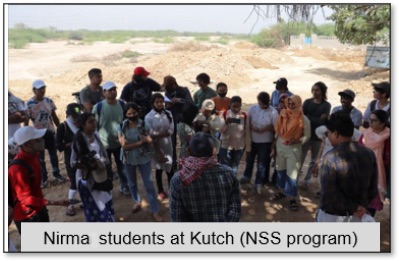 Help them see parts of diverse communities, lifestyle, constraints – which they may not have seen in their own life earlier.
- Helps them see and comprehend firsthand the complexity and ambiguity inherent in social systems
- Helps them to see challenges for such communities and also think of opportunities with new generation ideas and solutions, building upon their learning from academic world
- Build confidence of interacting at different levels in diverse communities across rural, tribal and urban lower middle class areas.
- Build strong personal and interpersonal development, particularly the ability to work well with others, and hone their leadership and communication skills.
NGOs and Communities in turn will:
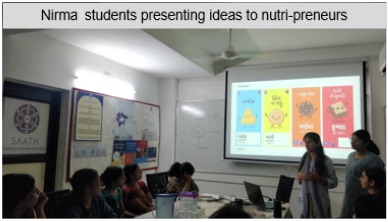 Get new ideas including new technologies, management processes, IT applications etc.
- Get opportunity to increase the human resources focused on specific projects for tasks like surveys, measurements, data analysis, etc.
- NGOs and communities usually do not have access to and cannot afford consultants from the market for above.
In India, knowledge and technology translation to the filed, and particularly in social impact domains, is lacking due to:
- Lack of connect between academia and field practitioners
- Lack of connect between those with strong management and technology competencies and those who implement things on the field either as skilled or as unskilled workers.
WIN Foundation is actively promoting student involvement in its projects by bringing students at various levels, from bachelors to Phd/Post-Doc, This helps in following ways:
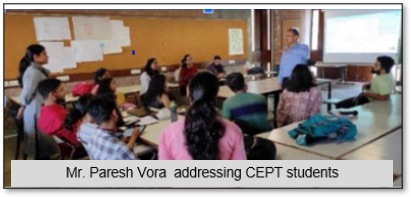 It helps to transfer expert knowledge and technology to the field implementers.
- Students take the problems and challenges observed back to their institutions, where with faculty guidance, resources like labs and library, work to develop more mature solutions/approaches. Thus they help build bridges between institutions and communities.
- Students, due to their sheer numbers, can also help in tasks which require basic skills and knowledge in large numbers – e.g. surveying, trying out multiple solutions, etc. This would be either infeasible or too expensive by normal means
List of student projects and internships:
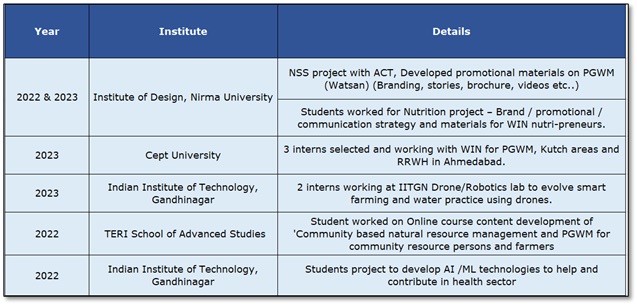
Summary:-
This new generation, through skills and knowledge acquired through such on ground experiences, will emerge as innovative problem solvers for myriad challenges facing India and the world. Whether they go on to become employees, social entrepreneurs, policy-makers, or community leaders, they will have the tools and mindset needed to make a meaningful impact on society, and also have fruitful careers.

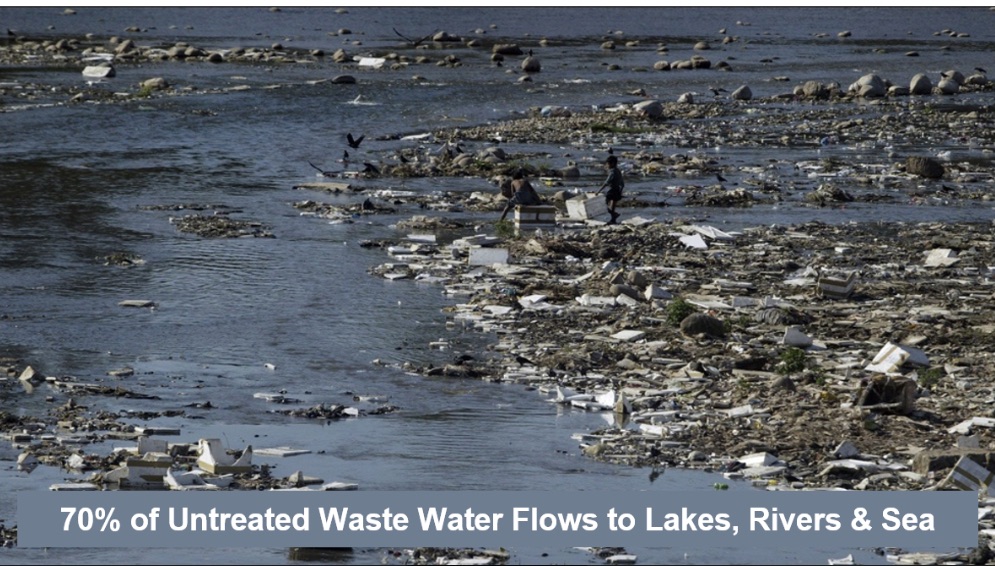
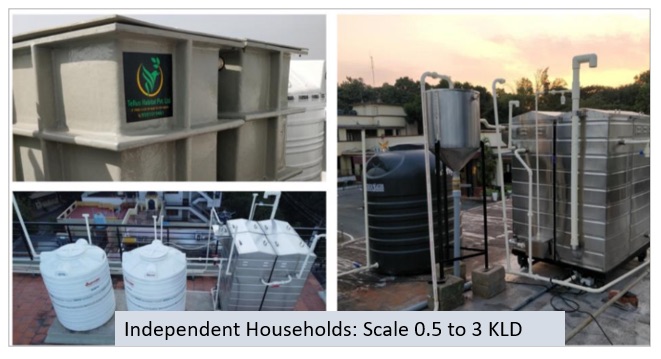
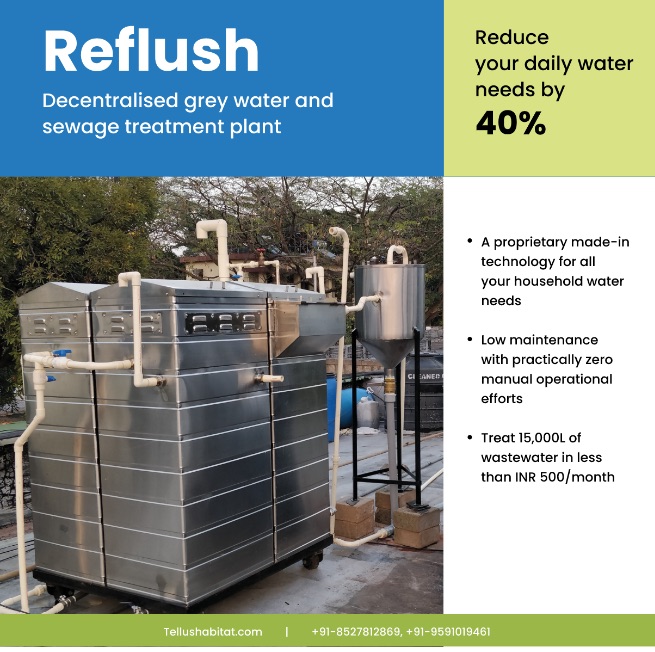
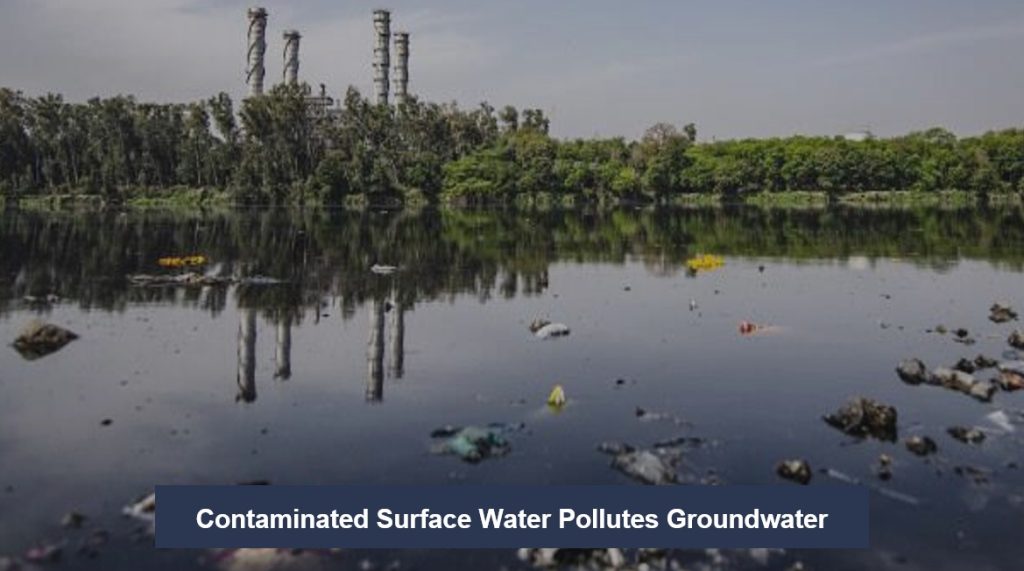 Traditionally, the water cycle took care of the supply of fresh water to the living world on land, including its purification by natural means. However, increase in population and industries have led to huge increase in water demand and also created massive water pollution. Nature’s water cycle is grossly insufficient to meet these needs. This puts pressure on our water sources, while at the same time degrades them. Waste water management is a critical need, alongwith water conservation, to meet these challenges.
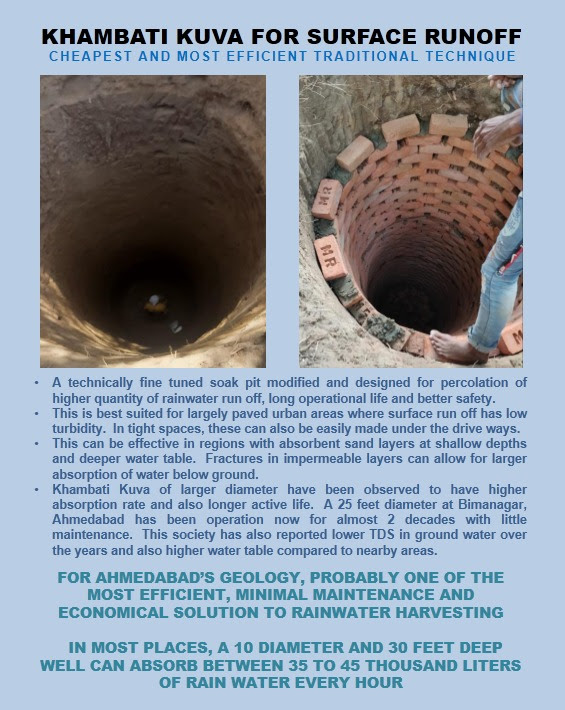
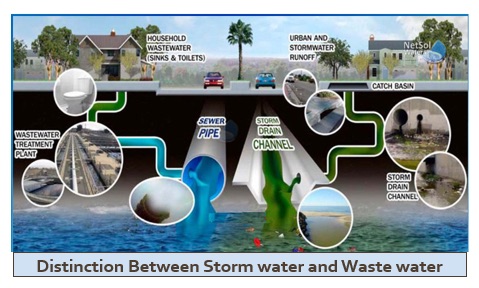 A related problem is stormwater management, which manages the vast amount of water brought by rainfall during the monsoon months across the country. It is becoming increasingly clear that the current system of trying to collect and carry the stormwater over large distances is dysfunctional. Isn’t it ironical that, in most places, due to stagnation on ground for many hours or days, as well frequent mixing with sewage water, we manage to convert the pure rainwater given by nature into contaminated and polluted water and then we add it to our water bodies? We are all aware of the diseases this brings on every monsoon. The solution is actually available in the Rainwater Harvesting technology. RWH systems have been traditionally used over centuries, and modern adaptations can easily enable us to use such systems to collect a major part of rainwater from roof as well as surface and recharge groundwater. In addition to the well known increase in water availability, RWH is a better way of managing “stormwater”, before it becomes dirty. RWH systems can vastly reduce the water overflow on ground, and thus reduce the substantial stormwater drain capital and operational expenses of our local government bodies.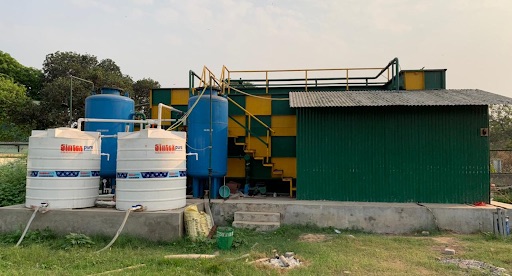
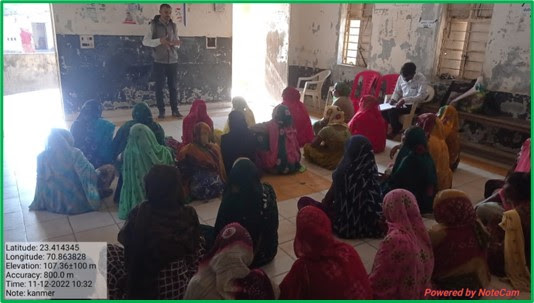
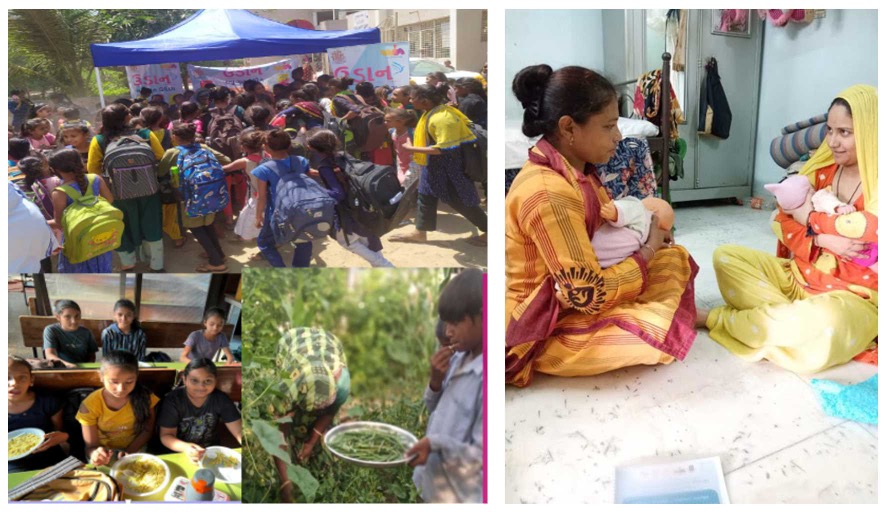
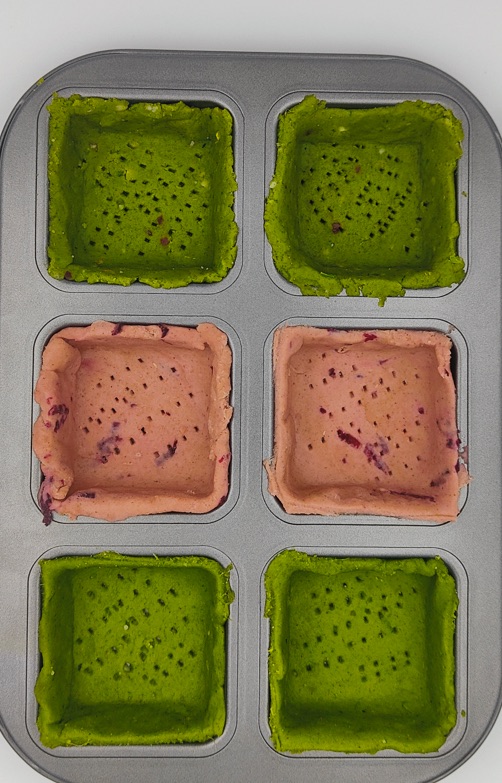 The distribution of undernourishment is heterogeneous across the country. Interestingly, while the prevalence of stunting and underweight in children has decreased over the past 5 years, the total number of anaemic individuals has increased. These trends could be attributed to macro- and micronutrient intake with fewer than 1/3rd of all women consuming adequate amounts of both. Consumption of macronutrients in the form of carbohydrates and proteins is consistently below the recommended dietary allowance (RDA) levels prescribed by the Indian Council for Medical Research (ICMR). The household consumption of micronutrients in the form of vitamins and minerals such as iron ranges from inadequate to severely deficient. Iron deficiency is associated with the majority of anaemia prevalent in India. A mind-boggling 67% of children in 2019-21 had varying degrees of anaemia, an increase of 8% from 2015-16.
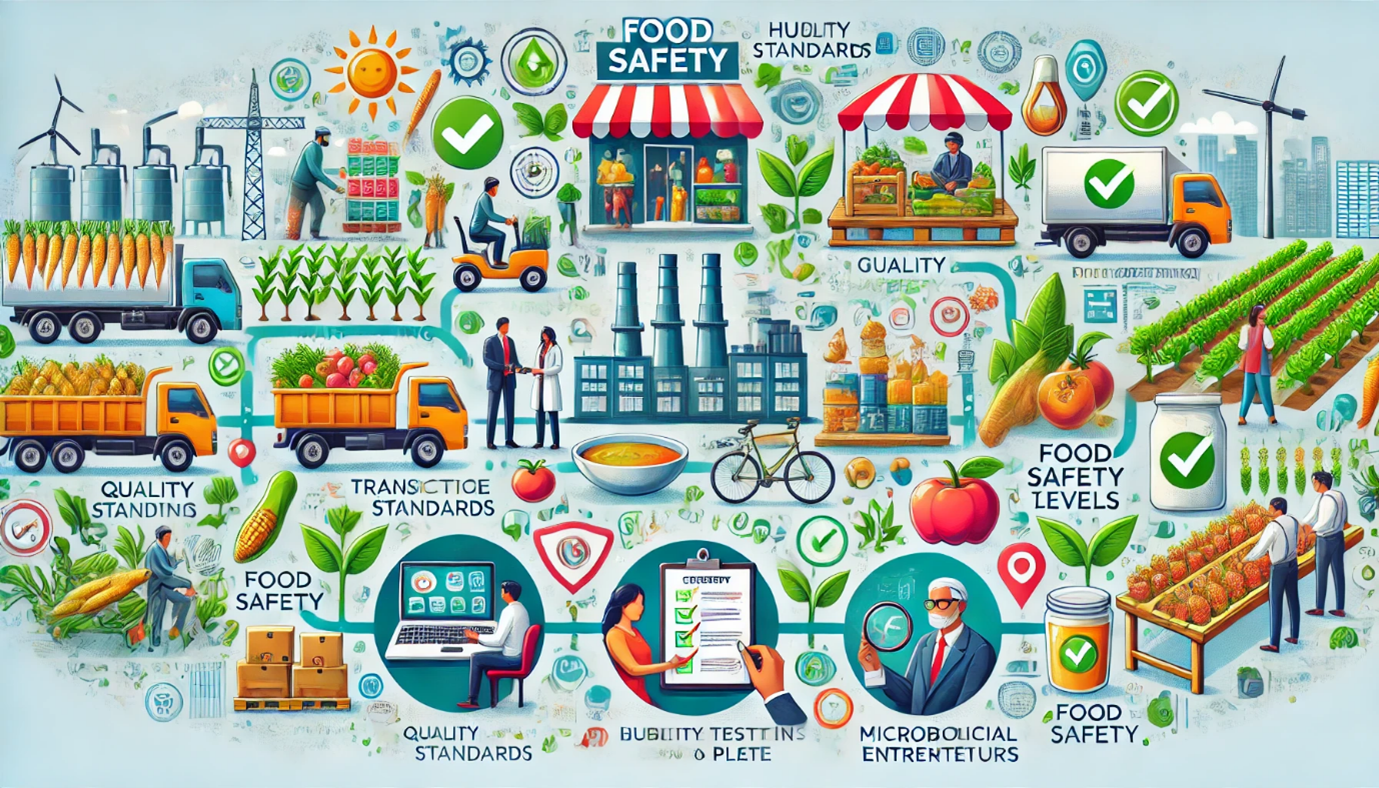
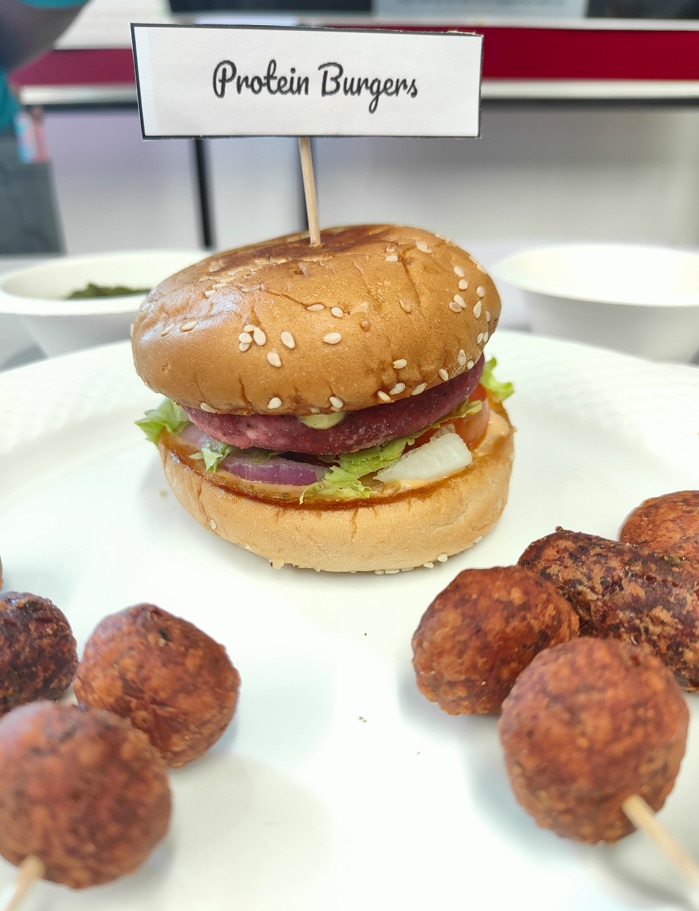 Over the past two decades, codification of food safety norms in the country and alignment with global standards such as in labelling of packaged foods have gradually improved consumer confidence. One example of enlightened food manufacturing is the fortification of packaged grains, cereals and oils with micronutrients such as vitamins and minerals. Further, the Indian government has announced that all rice distributed under public food security schemes will be fortified with iron and folic acid by 2024. In spite of these positive developments, two key aspects of food entrepreneurship and manufacturing need to be rejuvenated.
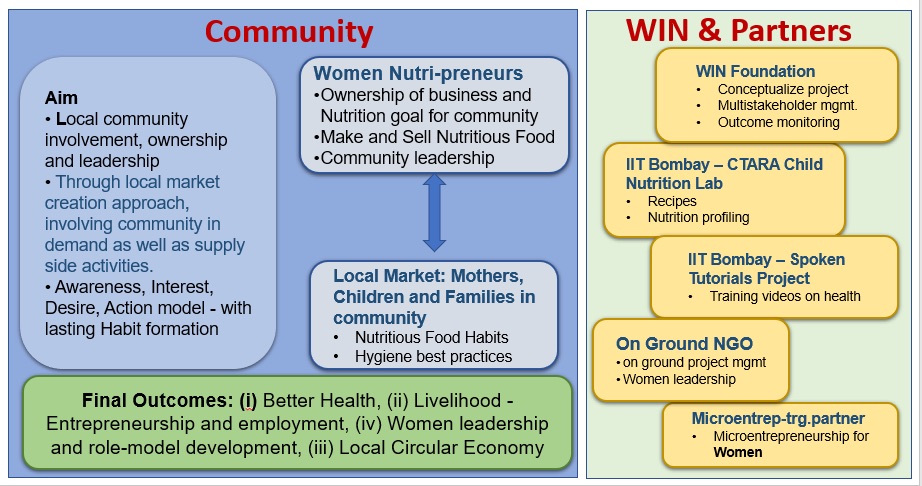
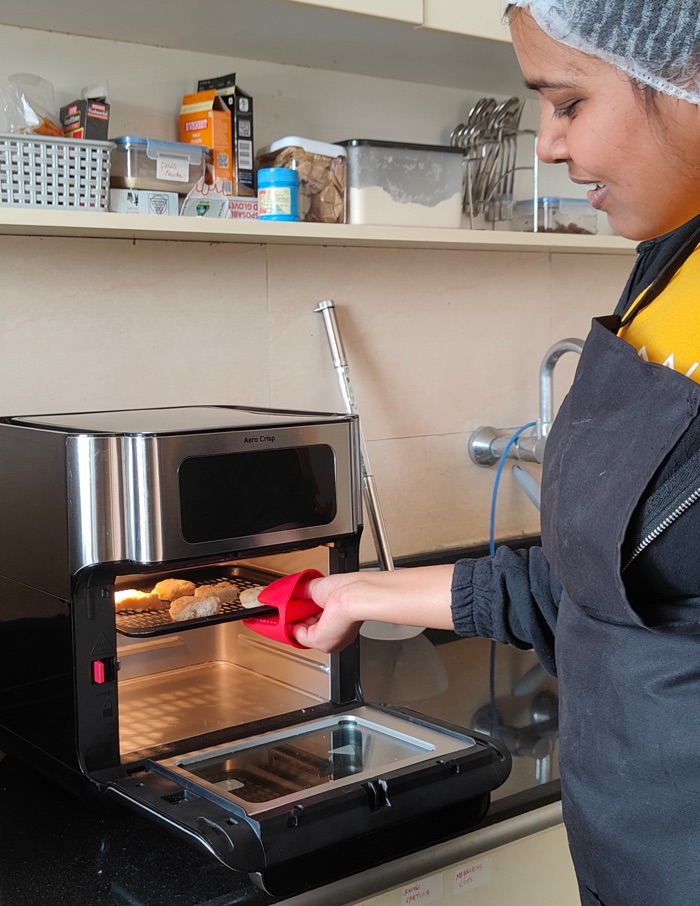 Large numbers of women in such socio-cultural contexts manage the food habits of their entire family. Training women microentrepreneurs in the art of assimilating scientific inputs is likely to amplify good health practices in their immediate families. Second, entrepreneurial efforts emerging from economically affluent sections need to be inclusive of customers from across all economic backgrounds. It is not uncommon to see a child of migrant labourers living significantly below poverty line eating a bag of purchased branded potato chips. If this kid can be happier, eating a similarly purchased bag of ‘health food’ with suitable amounts of protein and iron, it would signal a successful convergence of food safety and nutrition. Both of the above aspects require deep and pro-active engagement of food scientists and professionals. These could be further facilitated by academic and research institutions that identify challenges faced by the entrepreneurs as possibilities for collaborative problem-solving.